Focused arrival windows
Useful updates and clear arrival timing.

Appliance Leak Water Cleanup in Lake Worth Beach handles the mess a failed supply line, dishwasher, or water heater leaves behind. We extract standing water, dry the structure, and stop mold before it starts. If your kitchen or laundry room floor is wet right now, call (561) 760-4158. We serve homeowners and property managers across Lake Worth Beach, Florida, with 24/7 emergency response and same-day estimates.
Useful updates and clear arrival timing.
Review the approach and price before deciding.
Equipped vehicles and respectful cleanup.
Neighbors serving neighbors with follow-through.
Every appliance leak cleanup starts with the same core scope: shut off the source, extract the water, dry the structure, and verify it. Below is what is included in a standard job. If the leak reached further than expected, we tell you before adding anything.
We shut off the appliance supply or the main, pull the unit out, and inspect with thermal imaging and pin meters. This maps exactly where water traveled so we dry the right areas, not just the visible ones.
Truck-mounted extractors remove standing water from tile, vinyl, and carpet. We use weighted heads on carpet and squeegee wands on hard floors. Most single-room leaks clear in under an hour.
We place air movers and LGR dehumidifiers to dry subfloor, wall cavities, and cabinet boxes. Equipment runs 3 to 5 days with daily monitoring. You get moisture readings at each visit.
Appliance leaks soak cabinet toe-kicks and baseboards. We inject dry air behind them and dry in place when the material allows. This saves cabinetry that would otherwise delaminate and need replacing.
We confirm dry standard with pin meters and thermal imaging before pulling equipment. You receive a report with photos, daily logs, and final readings for your records or insurance claim.
After extraction, we apply an antimicrobial to affected surfaces where needed. This addresses bacteria and mold spores that start developing in wet materials within the first two days.
Share what is happening and receive a clear next step from the local team.
Appliance Leak Water Cleanup in Lake Worth Beach is the process of extracting water released by a failed household appliance, then drying the floors, walls, and cabinets it soaked. A washing machine supply hose can dump 5 to 10 gallons per minute. A refrigerator ice maker line leaks slower but runs for weeks unnoticed. We shut off the source, pull the water with truck-mounted extractors, and dry the cavity with commercial air movers and dehumidifiers until moisture readings match a dry standard.
Most calls we take in Lake Worth Beach start with a homeowner who heard water running at 2 a.m. or found a warped cabinet toe-kick after a weekend away. The city's older housing stock, especially the 1940s to 1960s block homes near the Historic District, often has original copper lines and cast-iron drains that fail under pressure. If you are searching for emergency water extraction near Lake Worth Beach after an appliance let go, our crew is set up for exactly that call.
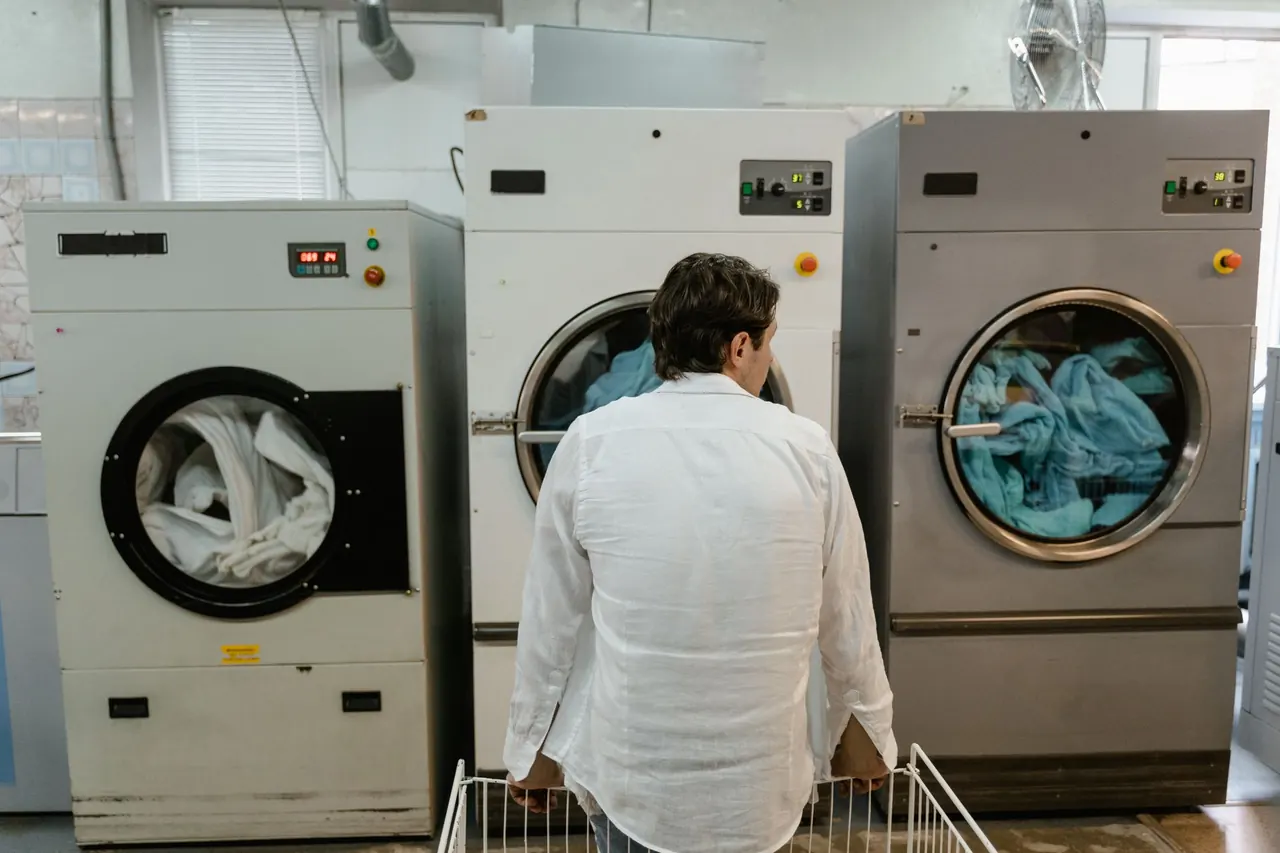
You call (561) 760-4158 and describe the leak. We ask where the appliance sits, whether water reached carpet or hardwood, and if the breaker is off. We dispatch a crew, usually arriving within 60 to 90 minutes for Lake Worth Beach addresses.
We shut off the supply valve or the main, pull the appliance out, and inspect with a thermal camera and pin-type moisture meter. The inspection maps exactly how far water traveled under tile, into baseboards, and behind cabinets. This takes 20 to 40 minutes.
Truck-mounted extractors pull standing water from hard floors and carpet at rates up to 12 gallons per minute. We use weighted extraction heads on carpet and squeegee wands on tile. A typical laundry room clears in under an hour.
We place axial air movers and LGR dehumidifiers to dry the subfloor, wall cavities, and cabinet boxes. Drying equipment runs 3 to 5 days, and we monitor moisture daily. You get readings each visit so you can see progress, not just take our word.
We confirm moisture content matches a dry standard before pulling equipment. Baseboards, toe-kicks, and any removed flooring go back. You receive a drying report with photos and daily logs for your records or insurance claim.
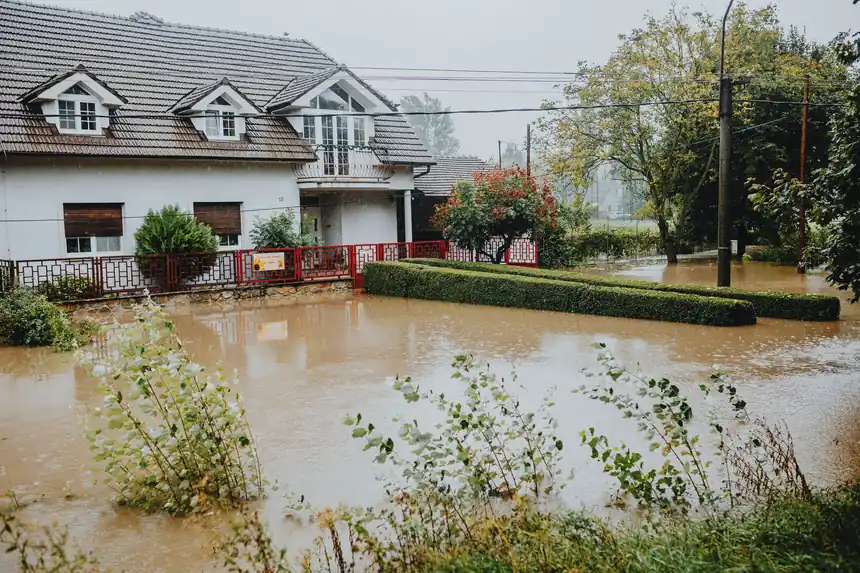
Pulls standing water from carpet and hard floors at up to 12 gallons per minute. It removes far more water than a shop-vac and gets the subfloor ready for drying.
Finds hidden moisture behind cabinets, under floors, and inside walls. It shows us the full extent of an appliance leak so we dry the right areas.
Measures moisture content in wood, drywall, and subfloor. We use it to set drying goals and to verify the structure is dry before pulling equipment.
Pulls moisture from the air so wet materials release water faster. Low-grain refrigerant units work well in South Florida humidity and speed up drying.
Moves high volumes of air across wet surfaces and into wall cavities. We position them to dry subfloor, baseboards, and cabinet boxes evenly.
Forces dry air behind baseboards, toe-kicks, and into wall cavities. It dries enclosed spaces that air movers alone cannot reach.
Presses down on carpet to pull water from the pad and backing. It removes far more water than a standard wand and shortens drying time.
We follow the IICRC S500 standard for water damage restoration. It sets the drying goals, monitoring frequency, and verification steps we use on every appliance leak job. Following it means the job is done to a recognized industry standard, not a guess.
We map moisture readings across the affected area at each visit. The map shows where drying is complete and where it is not, so we adjust equipment placement instead of waiting and hoping.
Every visit produces a log with temperature, relative humidity, and moisture content readings. You get the logs, and so does your insurance adjuster. They are the proof the structure is dry.
When mold risk is high, we set containment and run HEPA air scrubbers to keep spores from spreading. This protects the rest of the home while we dry the affected area.
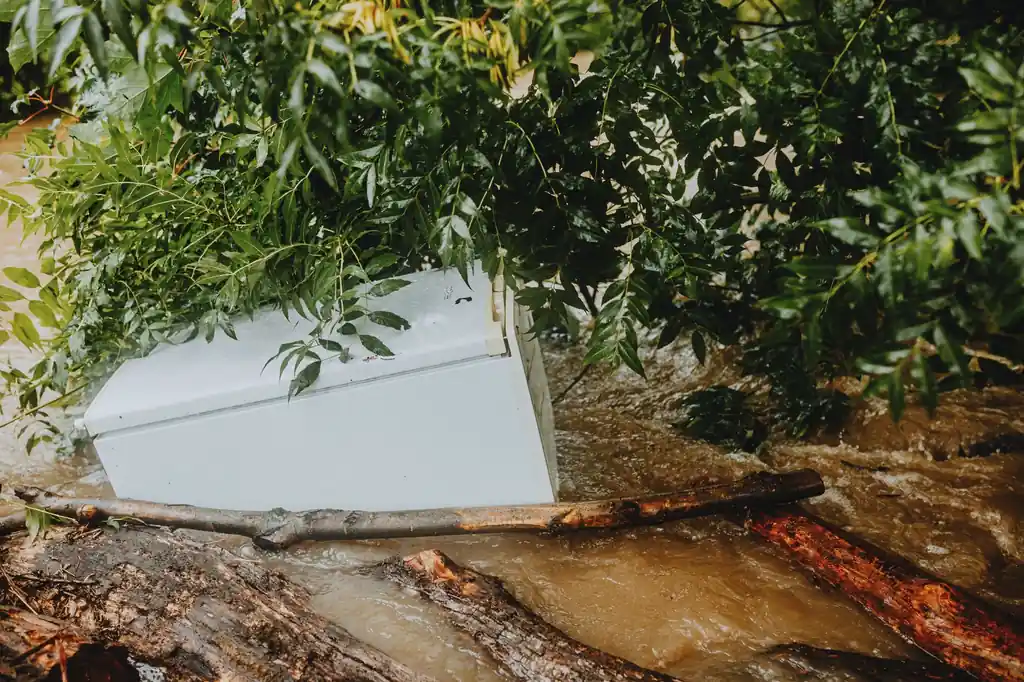
Call us before you touch the machine. We shut off the supply, pull the washer out, and extract the water. Then we dry the subfloor and the wall behind it, which is where the damage usually hides. The laundry room dries in 3 to 4 days, and you avoid replacing the subfloor and baseboards.
A slow leak is easy to ignore and expensive to miss. We pull the fridge, find the wet zone with thermal imaging, and dry the subfloor and cabinet base before mold takes hold. The hidden moisture is removed, the mildew smell is gone, and the cabinet base is saved.
We pull the dishwasher, extract the water, and dry the cabinet box and subfloor. If the toe-kick is soaked, we inject dry air behind it rather than tearing out the cabinet. The kitchen dries without cabinet replacement, and the dishwasher can be reinstalled once the area is dry.
We shut off the water and power, extract the standing water, and dry the closet and any adjacent rooms. We document the tank failure for your insurance claim. The area dries in 3 to 5 days, and you have the paperwork your adjuster needs.
Lake Worth Beach sits right on the coast, and the humidity here changes how appliance leaks behave. Wet drywall and subfloor release moisture slowly when the air is already saturated, so we run dehumidifiers longer than a crew would inland. The city's older homes, especially the 1940s to 1960s block houses in the Historic District and Parrot Cove, often have original copper supply lines and cast-iron drains. Those lines fail under pressure, and when they do, water finds the path of least resistance into subfloor and wall cavities. We also see a lot of raised homes near the Intracoastal, where an appliance leak can drain into a crawl space and stay wet for weeks. If you need water removal after an appliance leak near Lake Worth Beach, our trucks are already in the area. We know which neighborhoods flood first in a storm and which cabinet materials survive a soak. That local experience shapes how we dry every job.
Many homes here date to the 1920s through 1960s with original plumbing. Appliance leaks in these houses often reach original wood subfloor, which needs slower, controlled drying.
Older block homes with copper supply lines and raised floors. A washing machine leak here can drain into the crawl space, so we check below the floor as well as above it.
A mix of condos and older commercial buildings. Appliance leaks in upper units can reach the ceiling below, so we inspect both floors before drying.
Mostly single-family homes with tile and vinyl flooring. Appliance leaks here usually soak the subfloor and baseboards, which we dry in place to avoid a tear-out.
Coastal homes with high humidity exposure. Appliance leaks dry slower here, so we run dehumidifiers longer and verify readings before pulling equipment.
Wet materials release moisture slowly when the air is already saturated. We run LGR dehumidifiers longer and monitor readings daily to confirm drying progress.
These lines fail under pressure and send water into subfloor and wall cavities. We inspect with thermal imaging to find the full extent before drying.
Appliance leaks can drain below the floor and stay wet for weeks. We check the crawl space and dry it so wood rot and odors do not develop.
Power surges and water intrusion during storms damage appliances and cause leaks. We handle both the appliance leak and any storm-related water in one visit.
A supply hose burst overnight and flooded the laundry room, hallway, and part of a bedroom. Carpet and pad were soaked, and water had reached the baseboards. The homeowner found it at 6 a.m. and called us.
We extracted 18 gallons of water, pulled the wet carpet and pad, and dried the subfloor and baseboards in 4 days. Final moisture readings matched dry standard. The carpet was relaid and the hallway was back to normal.
Maintenance: Replace rubber washing machine hoses with braided stainless steel every 5 years. Check the shutoff valve for corrosion once a year, and shut the supply off when you leave for more than a few days.
A slow ice maker line leak had been running behind the fridge for weeks. The cabinet base was soft, the subfloor was wet, and the owner noticed a mildew smell. The unit below had a small ceiling stain.
We pulled the fridge, dried the cabinet base and subfloor over 3 days, and confirmed dry readings with pin meters. The ceiling stain below was dried and touched up. No mold developed and no cabinet replacement was needed.
Maintenance: Check the ice maker line and water filter connection every 6 months. Look for discoloration on the cabinet base behind the fridge. Replace the line if it feels brittle.
A 12-year-old water heater tank failed and dumped about 50 gallons into the closet and hallway. The closet floor and hallway baseboards were soaked, and water had reached the adjacent bedroom carpet.
We extracted the standing water, pulled the wet carpet and pad, and dried the closet, hallway, and bedroom in 5 days. Moisture readings confirmed dry standard. The baseboards were saved and the carpet was replaced.
Maintenance: Flush the water heater once a year to reduce sediment. Check the anode rod every 2 to 3 years. Replace the tank at 10 to 12 years, before it fails on its own.
Appliance leaks cause more damage than most homeowners expect because the water hides. Here are the problems we see most and how we solve them.
Water spreads under vinyl or tile, soaks the subfloor, and wicks into the wall behind the washer. Within 48 hours, mold can start in the drywall and baseboards. We shut off the supply, extract the standing water, and dry the subfloor and wall cavity with directed airflow. Daily moisture readings confirm the structure is dry before we pull equipment.
The slow drip rots the subfloor and cabinet base over weeks. Homeowners often smell mildew before they see water, and by then the damage is hidden and larger. We pull the fridge, use thermal imaging to find the wet zone, and dry the subfloor and cabinet base. We flag the failed line so your plumber can replace it and stop the leak at the source.
Particle board cabinet bases delaminate within a day of soaking. If the leak runs under the kitchen floor, the subfloor stays wet and the damage spreads beyond the kitchen. We pull the dishwasher, extract the water, and dry the cabinet box in place with injected airflow. If the subfloor is wet, we dry it from below or through the floor to avoid a full tear-out.
The water spreads across the closet floor and into hallways or adjacent rooms. Drywall, baseboards, and flooring soak fast, and the volume can overwhelm a shop-vac. We extract the standing water with truck-mounted equipment, dry the closet and surrounding rooms, and document the failure for your insurance claim. Most jobs dry in 3 to 5 days.
$450 - $1,800 depending on scope
Typical 2026 pricing for appliance leak water cleanup in Lake Worth Beach runs $450 to $1,800. A single laundry room with vinyl flooring and a small wet area usually lands near the low end. A leak that reached hardwood, cabinets, and a hallway pushes toward the top. We give you a written price before we start, and we tell you if the scope changes. Most homeowners pay a fraction of what a full floor replacement would cost.
A full floor replacement after an appliance leak can run $4,000 to $12,000. Fast extraction and proper drying protect the materials you already have and stop mold before it starts. The cleanup costs a fraction of the rebuild it prevents.
A burst hose that dumps 18 gallons across three rooms takes more extraction and more drying equipment than a slow refrigerator line. Volume and how far the water traveled are the biggest cost drivers.
Vinyl and tile dry fast. Carpet and pad need extraction and may need replacement. Hardwood and cabinet boxes take longer to dry and may need specialty drying. Material type changes both time and price.
Water caught within a few hours is a straightforward cleanup. Water that sat for days can wick higher into drywall and subfloor, adding drying time and sometimes requiring removal of wet materials.
Leaks that reached wall cavities or crawl spaces take longer to dry and need injection drying or crawl space equipment. Thermal imaging tells us the full extent before we quote the job.
Most sudden and accidental appliance leaks are covered by Florida homeowners policies. We document the damage so your claim moves faster. Your out-of-pocket cost is often just the deductible.
We answer 24/7 and do not charge a premium for nights or weekends. A 2 a.m. washing machine leak costs the same as a Tuesday afternoon call. Emergency response is standard, not an add-on.
Our technicians are trained in water damage restoration and hold IICRC credentials in water damage restoration and applied structural drying. We work to the IICRC S500 standard, which sets the drying goals we verify with meters before we call a job done. We handle appliance leaks daily across Lake Worth Beach, from washing machine hose failures in Parrot Cove to refrigerator line leaks in Downtown condos. That volume means we know which cabinet materials survive a soak and which do not, and we dry accordingly.
Our washing machine hose burst on a Saturday morning and water ran into the hallway. The crew arrived in about an hour, pulled the water out of the carpet, and set up dryers. They checked moisture every day and showed me the readings. Four days later everything was dry and the carpet looked fine.
A tenant's refrigerator line leaked behind the unit and soaked the subfloor. I called and they came out same day. They pulled the fridge, extracted the water, and dried the cabinet and floor. The documentation they gave me made the insurance claim straightforward. No mold, no callbacks.
Our water heater let go and dumped water into the closet and hallway. The team shut it down, extracted everything, and set up dehumidifiers. They were careful with our wood floors and explained what they were doing at each step. The final report showed dry readings and the floors came out fine.
Most appliance leak cleanups in Lake Worth Beach run $450 to $1,800 in 2026, depending on water volume and how many rooms were affected. A single laundry room with vinyl flooring usually lands near the low end. A leak that reached hardwood, cabinets, and a hallway pushes toward the top. We give you a written price before work starts.
Most washing machine leaks dry in 3 to 5 days with commercial air movers and dehumidifiers running. The exact time depends on how long the water sat and what it soaked. Carpet and pad dry faster than subfloor and wall cavities. We check moisture daily and only pull equipment when readings hit dry standard.
No. A shop-vac removes surface water but leaves subfloor, baseboards, and cabinet boxes saturated. In South Florida humidity, that trapped moisture feeds mold within 24 to 48 hours. We extract the standing water, then dry the structure with commercial equipment. Skipping that step usually costs more in mold remediation later.
Most Florida homeowners policies cover sudden and accidental discharge from appliances like washing machines, dishwashers, and water heaters. Slow leaks that went unnoticed for months are often excluded. We document moisture readings, affected materials, and daily drying logs to support your claim. Call your adjuster, and we will provide the file they need.
Not seeing your question? Our local team can help you understand urgency, scheduling and what to expect.
Ask the local team
When an appliance leak spreads beyond one room, emergency water damage restoration covers the full scope. We extract, dry, and restore across Lake Worth Beach homes, handling everything from a single laundry room to a whole first floor.
View service
Appliance leaks are one of the most common residential water damage calls we take. This service covers the full repair path for homeowners, from extraction through final drying verification and baseboard replacement.
View service
A failed dishwasher or ice machine in a Lake Worth Beach restaurant or office can shut you down. We handle commercial appliance leak cleanup with after-hours scheduling so your business reopens fast.
View service
Standing water from a burst supply line needs immediate removal. Our truck-mounted extractors pull water at up to 12 gallons per minute, clearing laundry rooms, kitchens, and hallways before moisture wicks into the subfloor.
View serviceWe answer the phone 24 hours a day, every day of the year. Call (561) 760-4158 and a technician will take your address, ask what happened, and dispatch a crew. Most Lake Worth Beach addresses see a truck within 60 to 90 minutes. If water is still running, shut the supply valve first, then call.