Focused arrival windows
Useful updates and clear arrival timing.
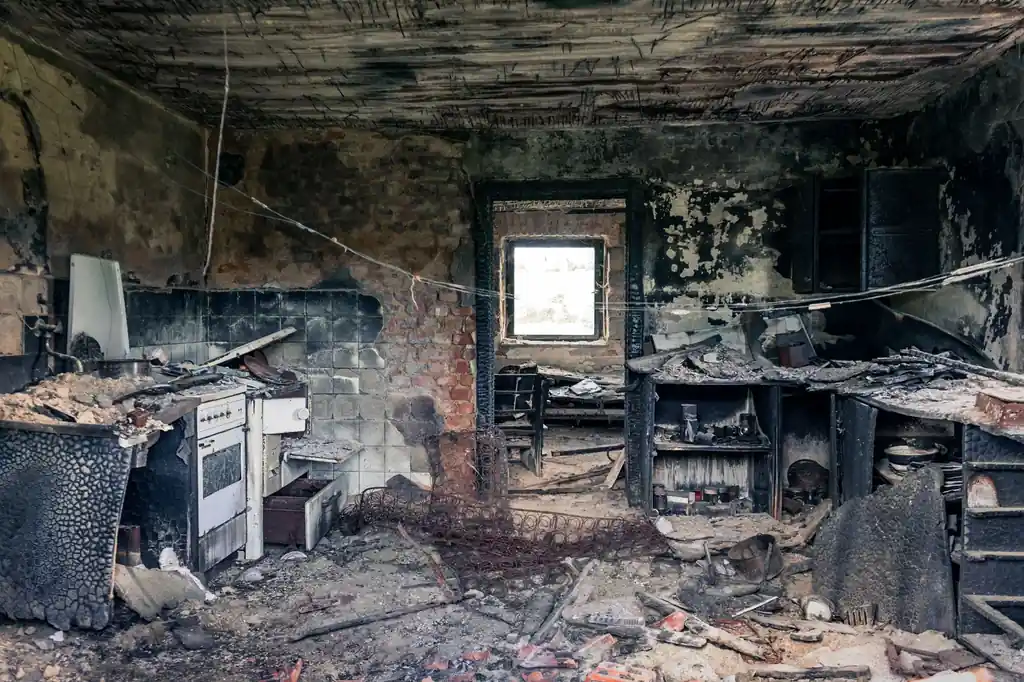
Plumbing Leak Water Damage Cleanup in Lake Worth Beach is a same-day emergency service that stops the water, extracts what's standing, and dries your walls, floors, and subfloor before mold sets in. We handle burst supply lines, slab leaks, water heater failures, and toilet overflows across Lake Worth Beach, Florida. If your floor is wet and the meter is still spinning, call us now at (561) 760-4158.
Useful updates and clear arrival timing.
Review the approach and price before deciding.
Equipped vehicles and respectful cleanup.
Neighbors serving neighbors with follow-through.
Every plumbing leak cleanup includes the core services you need to stop the damage and dry your home. Add-ons like drywall repair, painting, and flooring replacement are available and can be bundled into your insurance claim.
We pull standing water from carpet, pad, tile, and hardwood using truck-mount extractors. This happens the same day you call, usually within the first hour on site. We extract hundreds of gallons and stop the water from spreading to unaffected rooms.
We use thermal cameras and pin-type meters to find hidden moisture behind walls, under floors, and inside ceilings. You get a written moisture map that shows exactly where the water traveled and what needs to dry. This documentation is also what your insurance adjuster needs.
We set commercial air movers and LGR dehumidifiers to dry your walls, floors, and framing. Equipment runs 24/7 for three to five days, and we check moisture daily. We don't remove equipment until your materials hit the dry standard.
After extraction, we apply EPA-registered antimicrobial to wet surfaces to stop mold and bacteria from growing. This is especially important for toilet overflows and any leak that involved contaminated water. It's included in every cleanup.
Saturated drywall, insulation, and flooring that can't be saved get removed, bagged, and hauled away. We leave your home safe to walk through and ready for repairs. You don't have to rent a dumpster or make trips to the landfill.
We photograph the damage, log moisture readings, and provide a scope of work your adjuster can approve. We bill your carrier directly so you're not fronting the cost. You get a copy of everything we send.
Share what is happening and receive a clear next step from the local team.
Plumbing Leak Water Damage Cleanup in Lake Worth Beach is the process of stopping an active water leak, extracting standing water, and drying every wet material inside your home or business. We start by shutting off the supply, then use thermal imaging and moisture meters to map exactly how far the water traveled. From there we pull standing water with truck-mount extractors, remove saturated drywall and insulation, and set up commercial air movers and dehumidifiers to dry the structure to IICRC S500 standards. Most jobs take one to three days of drying, with daily moisture checks until your readings match a dry standard.
In Lake Worth Beach, the need usually shows up in predictable ways. Cast iron drain lines in Historic District homes corrode from the inside. Copper supply lines pinhole after decades of hard water. Water heaters in garages and closets rust out and dump 40 to 50 gallons before anyone notices. We also see slab leaks under tile floors in College Park and Parrot Cove that quietly soak the slab for weeks. If you're searching for emergency water extraction near me after a pipe lets go, the clock matters: mold can begin colonizing wet drywall in 24 to 48 hours.
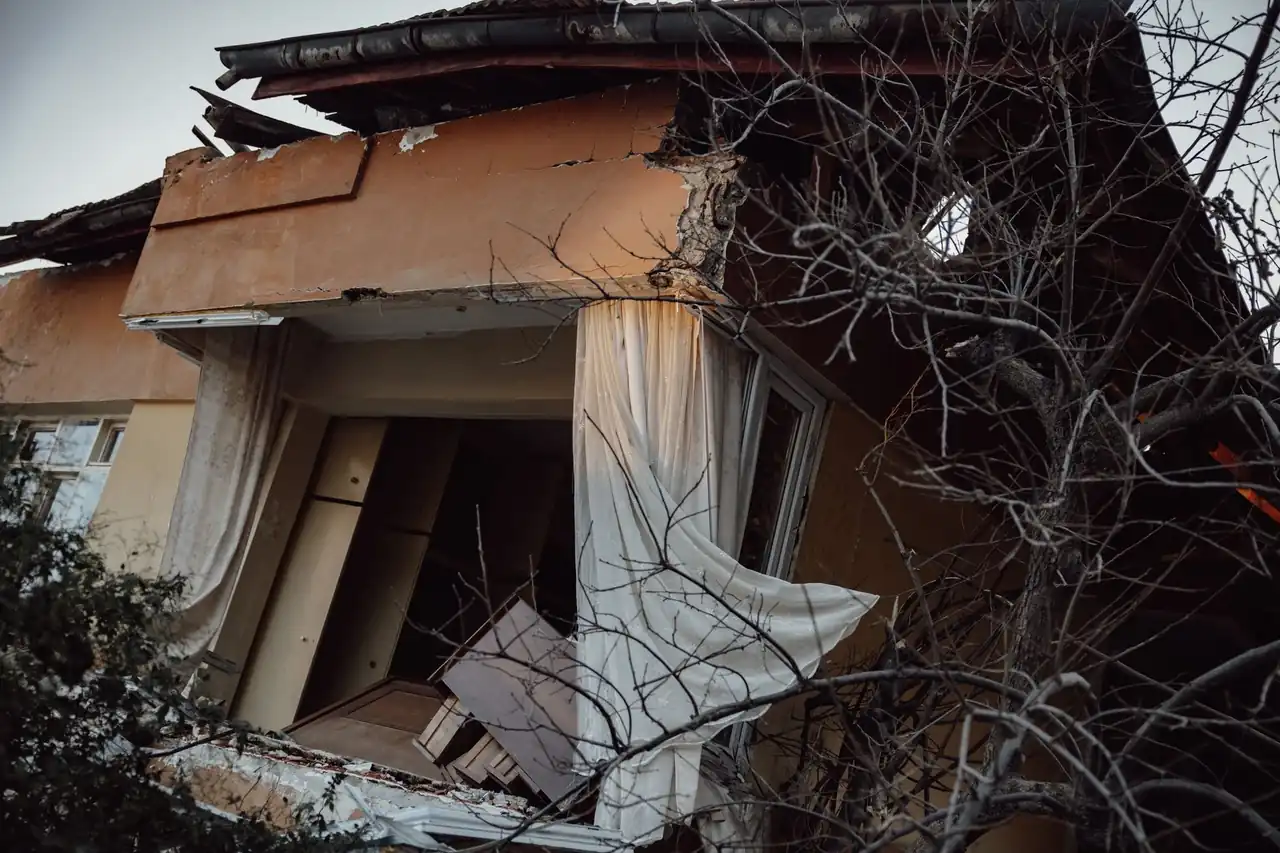
You call (561) 760-4158 and speak to a live dispatcher, not a voicemail. We ask where the water is coming from, whether you've shut off the main, and what type of flooring is wet. A crew is dispatched immediately with extraction and drying equipment. Most Lake Worth Beach addresses see us within 60 to 90 minutes.
We walk the property with thermal imaging cameras and pin-type moisture meters to find hidden water behind walls, under cabinets, and inside ceiling cavities. You get a written moisture map showing exactly where the water traveled. This step takes 20 to 40 minutes and determines the entire drying plan.
Truck-mount extractors pull standing water from carpet, pad, and hard surfaces. If drywall is saturated above the flood cut line, we remove it. Wet insulation comes out. We bag and haul debris so your home is safe to walk through the same day. This phase usually runs two to four hours.
We place axial and centrifugal air movers to create a vortex of dry air across wet surfaces, then run LGR dehumidifiers to pull moisture out of the air. In a typical 12x14 room we set three air movers and one dehumidifier. Equipment runs 24/7 for two to four days. You'll hear it, but it's working.
We take final moisture readings and compare them to a dry standard for your area. When every material hits target, we remove equipment and give you a completion report with before-and-after readings, photos, and drying logs. That packet is what your insurance adjuster needs to close the claim.
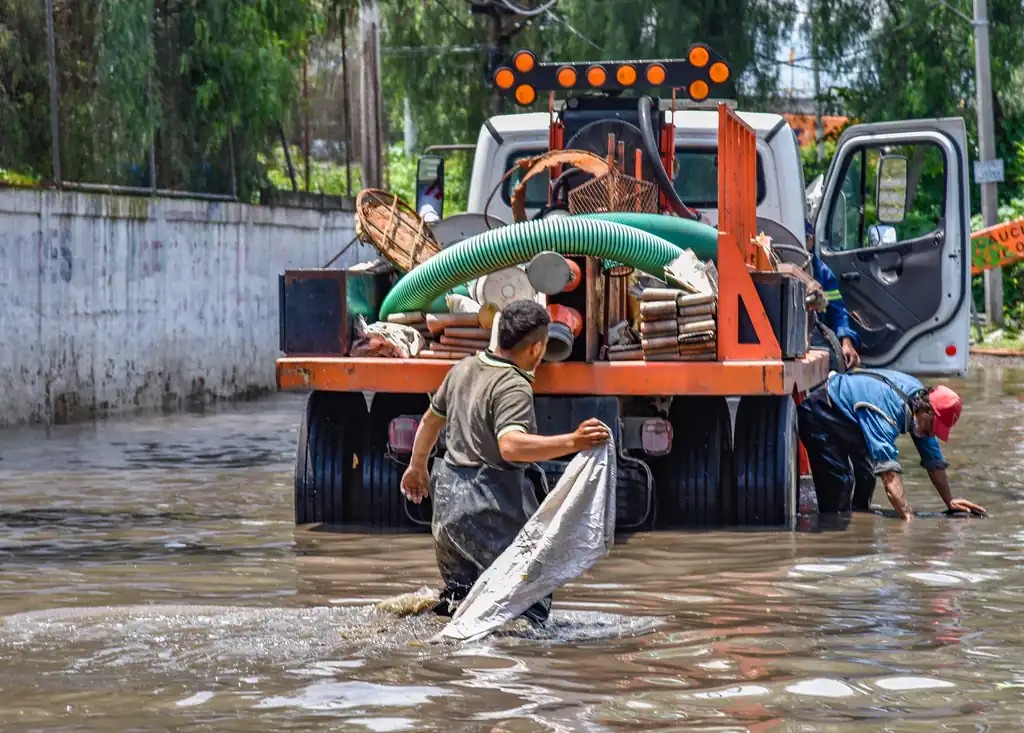
Pulls hundreds of gallons of standing water from carpet, pad, and hard surfaces in the first hour. This is the fastest way to remove water and stop it from spreading.
Detects hidden moisture behind walls, under floors, and inside ceilings by showing temperature differences. We use it to map the full extent of the water damage.
Measures moisture content in drywall, wood, and subfloor. We use it to set a dry standard and track progress daily until materials are dry.
Pulls moisture out of the air so wet materials can dry faster. Low-grain refrigerant dehumidifiers work well in Florida's humid climate and run 24/7 during the drying process.
Used for slab leaks and dense materials like concrete and hardwood. Desiccant units pull moisture at lower temperatures and are more effective for deep drying.
Filters airborne mold spores, dust, and debris from the work area. We run these during demolition and drying to keep your indoor air quality safe.
Applies EPA-registered antimicrobial to wet surfaces after extraction. This stops mold and bacteria from growing while the structure dries.
The industry standard for water damage restoration. It defines how to classify water, set up drying equipment, and verify that materials are dry. We follow it on every job and document our readings to prove it.
When drywall is saturated above the baseboard line, we cut it out to allow air to reach the wall cavity. This prevents mold from growing inside the wall and speeds up drying. We remove the cut drywall and dispose of it.
For wet carpet, we lift the carpet off the pad and force dry air underneath. This dries the backing and pad without removing the carpet, saving you money if the carpet can be saved.
Used for slab leaks and hardwood floors. We seal the room and run desiccant dehumidifiers to pull moisture out of dense materials. This method is slower but more thorough for deep drying.
We check moisture readings every day and adjust equipment as needed. You get a log showing the readings drop. We don't stop until every material hits the dry standard for its type.
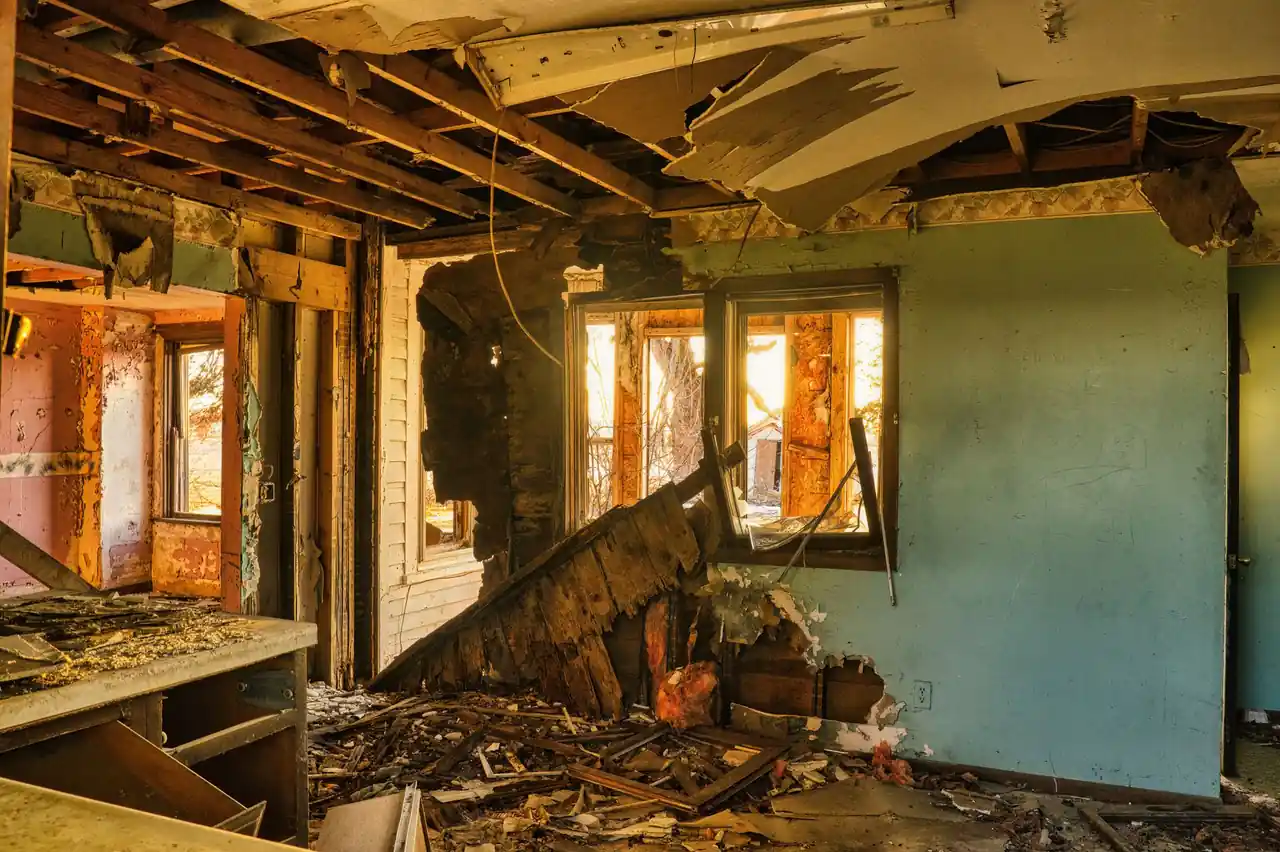
We shut off the supply line, extract the water from the carpet and pad, and dry the cabinet and wall cavity. We use thermal imaging to check how far the water traveled behind the cabinet and into the adjacent room. Your carpet dries in 24 to 48 hours, the cabinet is dry, and you avoid mold growth in the wall. We document everything for your insurance claim.
We extract the standing water, set up a flood barrier to protect the living room, and dry the garage floor and walls. We remove any saturated drywall and check the adjacent room for moisture. The garage and living room are dry in three days, and we coordinate water heater replacement so you have hot water again quickly.
We pinpoint the leak with thermal imaging, extract water from the affected rooms, and use desiccant dehumidifiers to pull moisture out of the slab. We monitor moisture content daily until it hits the dry standard. Your tile and hardwood floors are saved, your water bill drops, and you avoid a full repipe or mold remediation.
We respond after hours, extract the water from the sales floor, and dry the ceiling and walls. We work around your inventory and set up containment to keep the rest of the building open. You're back open the next morning with drying equipment running quietly in the background. We handle the insurance documentation so you can focus on business.
Lake Worth Beach has a mix of older homes with cast iron and copper plumbing, and newer construction with PEX. The older homes in the Historic District and Parrot Cove are more prone to pinhole leaks and slab leaks because the pipes have been in the ground for decades. The sandy soil and high water table can also shift, putting stress on supply lines. When we respond to a plumbing leak here, we know to check for corrosion at the fittings and look for water traveling along the slab. Florida's humidity means drying takes longer than in drier states, so we run dehumidifiers longer and monitor moisture daily. If you're in a condo or a commercial building, we coordinate with the HOA or property manager for water shutoff and after-hours access. We also follow Florida Building Code for any drywall or structural repairs, and we pull permits when required. If you're searching for slab leak water damage cleanup in Lake Worth Beach, we've handled it in every neighborhood from Hypoluxo Island to Tropical Ridge.
Many homes here have original cast iron drains and galvanized supply lines. We know to check for corrosion and use gentle drying methods for historic plaster walls.
A mix of older bungalows and renovated homes. Slab leaks are common because of shifting soil and aging copper lines under the slab.
Concrete-block homes with copper supply lines. We see pinhole leaks in walls and ceilings that soak insulation and drywall.
High-end homes with complex plumbing systems. We coordinate with property managers and use discreet equipment placement to protect landscaping and interiors.
Older homes with crawl spaces and raised floors. Plumbing leaks here can pool under the house, so we check the crawl space for standing water and wood rot.
Florida's humidity slows drying and increases mold risk. We run dehumidifiers longer and check moisture daily to make sure materials dry completely.
The soil shifts and can stress underground pipes, leading to slab leaks. We use thermal imaging to find leaks early and dry the slab thoroughly.
These pipes corrode from the inside and fail without warning. We know the common failure points and check them during every cleanup.
Storms can cause power outages that shut down sump pumps and dehumidifiers. We monitor equipment and have backup power options for extended drying jobs.
A slab leak under the tile floor in a 1970s College Park home had been soaking the slab for weeks. The tile felt warm, the water bill was triple normal, and the hardwood in the adjacent room was starting to cup. The homeowner had no idea where the water was coming from.
We pinpointed the leak with thermal imaging, extracted water from the affected rooms, and dried the slab with desiccant dehumidifiers for five days. The hardwood dried flat, the tile stayed in place, and the moisture readings dropped from 28% to 9%.
Maintenance: We recommended a periodic slab leak inspection and a water pressure check to catch future leaks early. The homeowner now checks the water meter monthly for unexplained spikes.
A copper supply line burst in the wall of a 1920s bungalow in the Historic District. Water ran down inside the wall and soaked the original hardwood floor and the plaster walls. The homeowner woke up to a wet floor and a hissing sound.
We shut off the water, extracted 40 gallons from the floor, and removed the saturated plaster and insulation. We dried the wall cavity and hardwood for four days. The moisture content dropped from 32% to 10%, and the hardwood was saved.
Maintenance: We advised the homeowner to have the remaining copper lines inspected and to consider a repipe to PEX to prevent future failures. They also installed a water leak detector.
A 12-year-old water heater in a Tropical Ridge garage rusted through and dumped 50 gallons onto the concrete floor. The water ran under the wall into the living room, soaking the carpet and baseboards. The homeowner discovered it when the carpet was wet.
We extracted the water from the garage and living room, removed the wet baseboards, and dried the carpet and drywall for three days. The moisture readings dropped from 25% to 8%. We coordinated water heater replacement, and the homeowner had hot water the next day.
Maintenance: We recommended flushing the new water heater annually and checking the anode rod every two years. The homeowner also placed a drip pan under the new unit.
Plumbing leaks cause more damage than most homeowners realize. Water travels behind walls, under floors, and into ceilings, often showing up as a stain or a musty smell weeks after the leak started. Here's what we fix.
Slab leaks in Lake Worth Beach homes can run undetected for months, warping hardwood, cracking tile, and driving up water bills. By the time you notice, mold may already be growing under the floor. We use thermal imaging and acoustic listening equipment to pinpoint the leak, then extract water from the affected rooms and dry the slab with desiccant dehumidifiers. We document moisture readings daily so you can see the slab drying out.
A burst copper or PEX line can dump 10 gallons a minute. In 20 minutes, you've got 200 gallons across your floors, soaking baseboards, drywall, and cabinets. Mold can start in 24 to 48 hours. We shut off the water, extract standing water from every affected room, and set up drying equipment the same day. We remove saturated drywall and insulation, then dry the framing and subfloor to standard before any repairs begin.
A rusted water heater tank can release 40 to 50 gallons into your garage, closet, or hallway. The water soaks drywall, baseboards, and any stored items. If it's in a closet, the moisture can wick into adjacent rooms. We extract the water, remove damaged drywall and insulation, and dry the space with air movers and dehumidifiers. We also check the adjacent rooms for hidden moisture and coordinate water heater replacement with a licensed plumber.
Toilet overflows carry bacteria and can soak through carpet into the pad and subfloor. If not treated, you get odor, mold, and delaminated carpet. The subfloor can warp and cause squeaks or soft spots. We extract the water, apply antimicrobial treatment, and either dry the carpet in place or remove and replace the pad. We dry the subfloor with directed air and check moisture content before reinstalling carpet or flooring.
$1,200 - $3,800 for most residential plumbing leak cleanups; commercial jobs priced by scope
Plumbing leak cleanup in Lake Worth Beach typically costs $1,200 to $3,800 for residential jobs, depending on how far the water traveled and what materials got wet. We provide a written scope before we start, bill your insurance directly, and never charge for the initial inspection. Our pricing reflects the equipment we run, the daily monitoring we do, and the documentation your adjuster needs. You're paying for a job done to standard, not a quick dry-and-run.
You're paying for commercial-grade equipment, daily monitoring, and documentation that gets your claim approved. A cheap cleanup that leaves moisture behind can lead to mold remediation costing $5,000 or more. We dry to standard the first time.
Clean water from a supply line is the simplest cleanup. Toilet overflows and flood water are contaminated, which requires antimicrobial treatment and sometimes removal of materials. That adds cost but protects your health.
A single bathroom costs less than a leak that soaked three rooms and a hallway. We measure the affected area and set equipment accordingly. Larger areas need more air movers and dehumidifiers, which increases the drying cost.
Carpet and pad are faster to dry than hardwood, tile, or concrete. If drywall and insulation are saturated, we may need to remove and replace them. Dense materials like slab and hardwood take longer to dry and require specialized equipment.
Most jobs dry in three to five days. If the leak went undetected for weeks or the humidity is high, drying can take longer. We monitor daily and adjust equipment to dry as efficiently as possible.
If the leak is in a crawl space, behind a cabinet, or in a commercial space with inventory, we may need special containment or after-hours work. That can add to the cost but prevents secondary damage.
Most homeowner policies cover sudden plumbing leak damage. We bill your carrier directly and document the loss to IICRC standards. Your out-of-pocket cost is usually just your deductible.

Our technicians are IICRC-certified in Water Damage Restoration (WRT) and Applied Structural Drying (ASD). We train on the same equipment we use in the field, from thermal imaging cameras to desiccant dehumidifiers. Because we work exclusively in Palm Beach County, we know which neighborhoods have cast iron drains, which condos require after-hours water shutoff coordination, and how Florida's humidity changes the drying equation. We've dried everything from 1920s bungalows in the Historic District to concrete-block commercial buildings near the Park of Commerce.
A pinhole leak in our copper supply line soaked the hallway wall and carpet. The crew arrived in about an hour, showed me the thermal image of where the water went, and had extraction running within 30 minutes. They dried everything in four days and handled the insurance paperwork. I didn't have to call the adjuster once.
We manage a 12-unit building near Bryant Park. A water heater failed on the third floor and water ran down into two units. Lake Worth Beach Water Damage extracted the water, set drying equipment in both apartments, and gave us daily moisture logs. They kept us informed the whole time and the tenants were able to stay.
Our slab leak was hidden for weeks. The tile felt warm and we couldn't figure out why. They found it with thermal imaging, extracted the water from the bedrooms, and dried the slab. The moisture readings dropped every day. They saved our hardwood floors and our sanity.
Most residential plumbing leak cleanups in Lake Worth Beach run $1,200 to $3,800, depending on how far the water traveled and what materials got wet. A toilet overflow in a small bathroom might be $1,200 to $1,800. A slab leak that soaks three rooms and requires drywall removal can hit $3,500 or more. We bill your insurance directly and give you a written scope before we start.
Structural drying typically takes three to five days for a plumbing leak in Lake Worth Beach. Carpet and pad dry in one to two days. Wet drywall, baseboards, and subfloor take three to five days with commercial air movers and dehumidifiers running 24/7. We check moisture daily and don't remove equipment until your materials hit the dry standard.
Yes, in most cases you can stay home during the cleanup. We isolate the work area with plastic barriers and run HEPA air scrubbers to keep dust and spores out of your living space. If the leak affected your only bathroom or kitchen, we'll tell you upfront and help you plan around it. We work around your schedule.
Shut off the main water valve immediately, then call us at (561) 760-4158. If the leak is from a fixture, shut off the angle stop under the sink or behind the toilet. Don't run a shop vac on standing water near outlets. Move furniture and electronics off wet carpet, and stay out of rooms where the ceiling is sagging. We'll handle the rest when we arrive.
Not seeing your question? Our local team can help you understand urgency, scheduling and what to expect.
Ask the local team
When a plumbing leak turns into a full emergency, our restoration crew handles extraction, drying, and repairs in one dispatch. We arrive with truck-mount extractors and drying equipment ready to go, so you're not waiting on a second company.
View service
Most plumbing leak calls we run in Lake Worth Beach are residential. We dry bedrooms, kitchens, bathrooms, and living areas, then repair drywall, baseboards, and paint so your home looks like nothing happened.
View serviceA plumbing leak in a restaurant or retail space on Lake Worth Road can shut you down for days. We work after hours to extract water, dry the structure, and get you back open without a long interruption.
View serviceStanding water from a burst pipe or failed water heater needs to come out fast. Our truck-mount extractors pull hundreds of gallons from carpet, tile, and hardwood in the first hour, which stops the water from wicking into walls.
View service
We answer the phone 24 hours a day, every day of the year. Call (561) 760-4158 and a technician will take your address, ask what happened, and dispatch a crew. Most Lake Worth Beach addresses see a truck within 60 to 90 minutes. If water is still running, shut the supply valve first, then call.