Focused arrival windows
Useful updates and clear arrival timing.
Wall Water Damage Drying in Lake Worth Beach is the fastest way to stop a small leak from becoming a mold job. We dry soaked drywall, plaster, and wood framing after burst pipes, roof leaks, and storm intrusion. If your walls are wet, every hour counts. Call (561) 760-4158 and we will be on-site the same day.
Useful updates and clear arrival timing.
Review the approach and price before deciding.
Equipped vehicles and respectful cleanup.
Neighbors serving neighbors with follow-through.
Every wall drying job we run includes the full sequence below. If we find mold or structural damage once the wall is open, we stop and show you before any additional work begins.
We use thermal imaging cameras and pin-type meters to find every wet spot inside your walls. You see the readings and the marked zones before we set any equipment.
We install panels that force dry air directly into the wall cavity behind the drywall. This is what dries the back side of the wall and the framing, not just the surface.
We run commercial-grade dehumidifiers to pull moisture out of the air. Without this step, wet walls reabsorb humidity and drying stalls out in Florida weather.
We return every 24 hours to take fresh readings and adjust equipment. You get a progress update and a realistic completion date at each visit.
We confirm dry standard with calibrated meters, photograph the results, and provide documentation for your insurance claim. You get a written record of the entire drying process.
Share what is happening and receive a clear next step from the local team.
Wall Water Damage Drying in Lake Worth Beach is the controlled removal of moisture from drywall, plaster, insulation, and wood framing after a leak, flood, or storm. We use thermal imaging and pin-type meters to map exactly where water has traveled inside your walls. Then we set up air movers, inject dry air behind the drywall, and run commercial dehumidifiers until every cavity reads dry on a calibrated meter. No guesswork, no cutting corners.
Lake Worth Beach homes face water intrusion from every direction. October through November brings late-season tropical rain, winter cold fronts push through leaky windows, and summer humidity keeps walls damp long after a pipe leak stops. In older Historic District homes, original plaster and lath hold water like a sponge. We see this constantly in Parrot Cove and Mango Groves, where a slow supply-line leak behind a kitchen wall can soak framing for weeks before anyone notices a stain.

You call (561) 760-4158 and describe what happened. We ask about the source, how long the wall has been wet, and whether you see bubbling paint or a soft spot. Within minutes we dispatch a crew with drying equipment loaded. Same-day response across Lake Worth Beach.
We arrive and inspect every affected wall with thermal imaging cameras and pin-type moisture meters. This takes 20 to 40 minutes. We mark the wet zones with tape so you can see exactly where the problem is. You get a clear picture of the damage before we start any equipment.
We set up plastic containment to keep dust and spores out of clean areas. Then we position air movers along the wall base and set up injection drying panels that force dry air directly into the wall cavity. Commercial dehumidifiers pull the moisture out of the air so it does not reabsorb into the drywall.
We return every 24 hours to take fresh moisture readings and adjust equipment. Drying typically takes 3 to 5 days for standard drywall and 5 to 7 days for plaster and lath. You get a daily update on progress and an estimated completion date.
When readings match dry standard, we remove equipment and do a final walkthrough with you. We document everything with photos and meter readings for your records. If any section did not dry fully, we tell you and explain the next step before we leave.
Detects temperature differences inside walls to find hidden moisture without opening the drywall. We use it on every job before setting equipment.
Measures moisture content in drywall, plaster, and wood framing. We use it to map wet zones and verify dry standard at the end of the job.
Force dry air directly into the wall cavity behind the drywall. This is the only way to dry the back side of the wall and the framing.
Pulls moisture out of the air so wet walls do not reabsorb humidity. Essential in Florida where outdoor humidity stays high year-round.
Create airflow along wall surfaces and into cavities to speed evaporation. We position them based on the moisture map, not guesswork.
Applied to wall cavities that show early signs of mold growth. Stops spores from spreading while the wall dries.
The industry standard for water damage restoration. It defines how we classify water, set drying goals, and verify that walls have reached dry standard before we remove equipment.
We install panels that force dry air into the wall cavity behind the drywall. This dries the back side of the wall and the framing without removing the finish. It is the fastest way to save soaked drywall.
We use thermal imaging and pin meters to create a map of every wet zone in your walls. Equipment is placed based on that map, and we re-map daily to track progress.
We measure temperature and relative humidity in the drying zone every day. That tells us whether the equipment is winning and when the wall will reach dry standard.
We respond same-day, shut off the source, extract water from the floor, and set up injection drying on the affected wall. We check adjacent walls for hidden moisture with thermal cameras. The wall cavity dries in 4 days. No mold, no demolition, and the bathroom is back in use within a week.
We trace the water path from ceiling to wall base, extract standing water, and dry both the ceiling and wall cavity together. We document the storm damage for insurance. Walls reach dry standard in 5 days. The claim is approved with our moisture documentation.
We pull the refrigerator, map the moisture, and dry the wall cavity with injection panels. We also check the cabinet base and floor for hidden water. The wall dries in 3 days. The refrigerator goes back in place and no mold develops.
We extract water, remove the baseboard, and dry the wall cavity and subfloor edge together. We monitor daily until readings match dry standard. The wall and floor dry in 4 days. No cupping, no mold, and the laundry room is back to normal.
Lake Worth Beach sits between the Intracoastal and the Atlantic, which means wall drying here is a race against humidity. Outdoor relative humidity averages 75 percent or higher most of the year, so a wet wall cavity will not dry on its own. We run dehumidifiers continuously and monitor psychrometric readings daily to make sure the wall is drying, not stalling. Building stock matters too. Historic District and Parrot Cove homes have original plaster and lath that holds water 2 to 3 times longer than modern drywall. West of Dixie Highway, concrete block walls wick water upward from the base, so we dry from the floor edge up. After a tropical storm or hurricane, we see walls soaked from wind-driven rain through window frames and roof leaks. We handle storm and hurricane wall drying across Lake Worth Beach and document everything for your insurance claim.
Original plaster and lath walls hold moisture longer. We extend drying times and monitor daily to protect the historic finish.
Older homes with cast iron and galvanized plumbing. Slow supply-line leaks behind walls are common, and we map them with thermal cameras.
Elevated homes near the water face storm surge and wind-driven rain. Wall cavities soak fast, and we prioritize same-day response.
Concrete block construction wicks water up from the base plate. We dry from the floor edge upward and check the subfloor at the same time.
Wet walls do not dry on their own. We run dehumidifiers continuously and monitor daily to keep the drying process moving.
Wind-driven rain soaks walls through window frames and roof leaks. We see a spike in storm-related wall drying calls during this window.
Cold fronts push rain against north-facing walls. Leaks that stayed hidden all summer show up as wet drywall in December and January.
Galvanized and cast iron lines fail slowly inside walls. We find hidden leaks with thermal imaging before they cause major damage.
A supply line behind a kitchen wall let go overnight. The drywall was soft, paint was bubbling, and the baseboard was soaked. The homeowner had no idea how far the water had traveled.
We extracted water, set up injection drying on 12 linear feet of wall, and dried the cavity in 4 days. Moisture readings dropped from 28 percent to 11 percent. No drywall removal was needed.
Maintenance: We recommended replacing the failing supply line and checking the adjacent wall annually. The homeowner now checks under the sink monthly for early signs of leaks.
Wind-driven rain pushed through a roof flashing and soaked the wall below the ceiling. The ceiling showed a stain and the wall was wet from top to base plate. The homeowner filed an insurance claim.
We dried the ceiling and wall cavity together over 5 days. Moisture readings in the framing dropped from 24 percent to 10 percent. Our documentation supported the claim, which was approved without a second inspection.
Maintenance: We recommended a roof inspection before the next storm season and sealing the flashing. The homeowner now checks the ceiling after every major rain.
A washing machine hose failed and soaked the wall behind the unit for a week before the homeowner noticed. The drywall was soft and the baseboard had started to swell.
We pulled the washer, removed the baseboard, and dried the wall cavity and subfloor edge over 4 days. Moisture readings dropped from 30 percent to 12 percent. No mold developed.
Maintenance: We recommended replacing rubber hoses with braided stainless steel and checking them every 6 months. That is the most common failure point we see in laundry rooms.
Hidden wall moisture is the most expensive kind of water damage because you cannot see it. Here is what we fix.
Framing rots and mold grows inside the cavity for weeks before you notice a stain or smell. We locate hidden moisture with thermal imaging, open the wall only where needed, and dry the cavity with injection systems. Most walls dry in 3 to 5 days without full removal.
The drywall loses structural strength and the finish fails. If ignored, the whole wall section has to be replaced. We extract water, dry the cavity, and stabilize the drywall before it fails. If the drywall is already crumbling, we remove only the damaged section and dry the framing behind it.
That smell means mold is already growing inside the wall cavity. It spreads and affects indoor air quality. We inspect with thermal cameras, treat affected surfaces with an antimicrobial, and dry the cavity to dry standard. We document everything for your insurance claim.
Original plaster holds water far longer than modern drywall and can crumble if it stays wet too long. We adjust drying times and equipment for plaster and lath walls. Drying takes 5 to 7 days instead of 3 to 5, and we monitor daily to protect the original finish.
$1,200 - $3,800 depending on scope
Typical 2026 pricing for wall water damage drying in Lake Worth Beach runs $1,200 to $3,800, depending on how many walls are wet, the wall material, and whether mold treatment is needed. Most insurance policies cover the drying portion when the damage comes from a sudden pipe leak or storm. We provide a written price before we start, and that price includes equipment, daily monitoring, and final verification. No hidden charges.
Fast wall drying saves drywall, framing, and thousands in reconstruction. Most insurance policies cover the drying portion, and our documentation helps your claim move through faster.
One wall dries faster and cheaper than four. We map every affected wall with thermal imaging so you know the full scope before we quote the job.
Standard drywall dries in 3 to 5 days. Plaster and lath, common in the Historic District, takes 5 to 7 days and requires more equipment time.
If mold is already growing inside the wall, we add antimicrobial treatment and containment. That adds cost but prevents a much larger remediation later.
Walls behind cabinets, appliances, or tile take longer to access. We explain any access work in the quote before we start.
Most jobs run 3 to 5 days. If the leak ran for weeks or the wall cavity is deep, drying may extend to 7 days. We update you daily on progress.
Our technicians are trained in the IICRC S500 standard for water damage restoration and carry state-issued mold remediation credentials. We have dried walls in every kind of Lake Worth Beach home, from 1920s Historic District bungalows with original plaster to newer concrete-block construction west of Dixie Highway. We know how Florida humidity changes drying times and how to adjust equipment for each wall type.
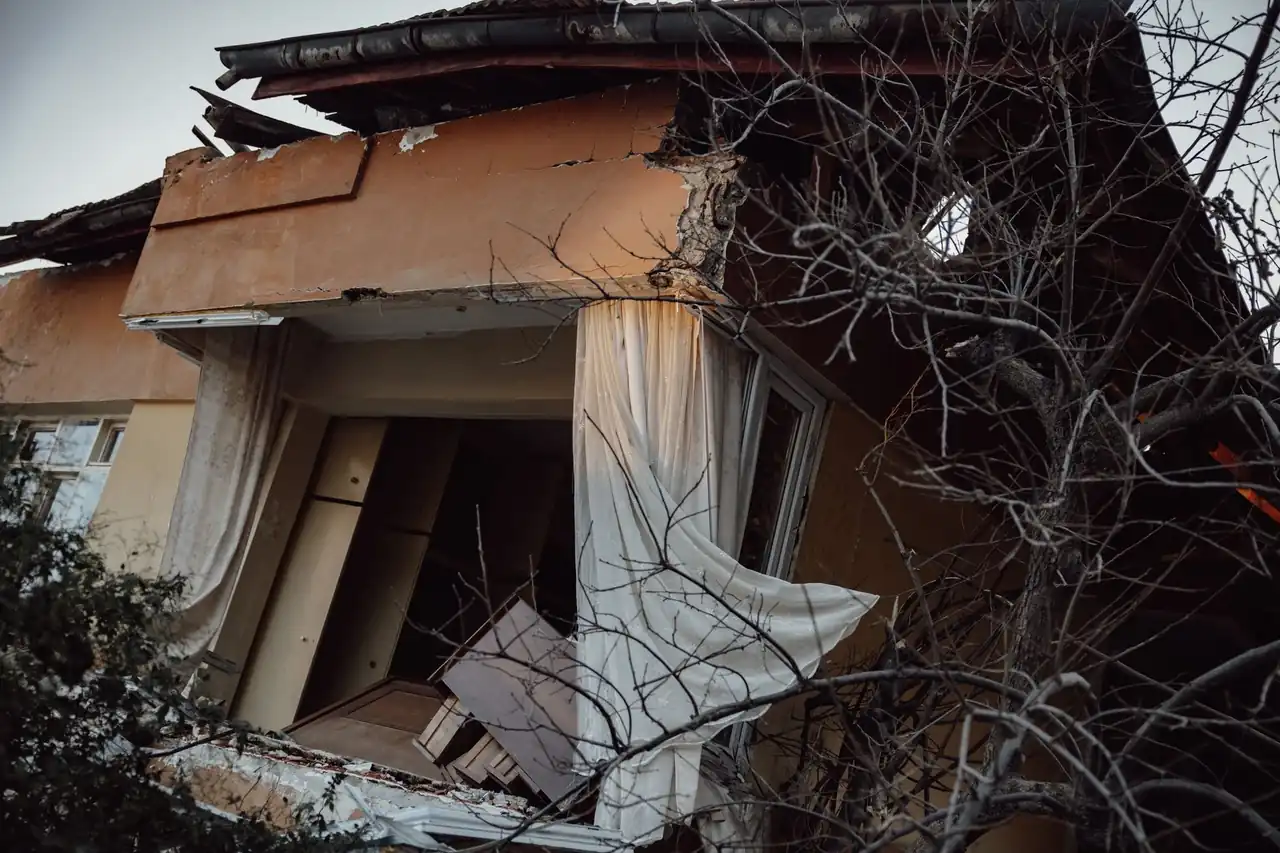
A supply line behind our kitchen wall let go on a Saturday. Lake Worth Beach Water Damage had equipment running by that afternoon. They showed me the moisture readings every day and the wall was dry in four days. No mold, no demolition. I did not know walls could be dried without cutting them open.
We manage six units near Lake Avenue and had a roof leak soak two walls. Their crew mapped the moisture with thermal cameras, set up injection drying, and documented everything for our insurance. The adjuster approved the claim without a single question. That never happens.
Our washing machine leaked and we did not notice for a week. The wall behind it was soft and I was sure we needed a full rebuild. They dried the cavity in five days and saved the drywall. The daily updates made a stressful week a lot easier.
Most wall drying jobs take 3 to 5 days for standard drywall and 5 to 7 days for plaster and lath. Lake Worth Beach humidity can extend drying by a day or two if the wall cavity is deep or the leak ran for weeks. We monitor daily and give you a realistic completion date after the first inspection.
Typical 2026 pricing for wall drying in Lake Worth Beach runs $1,200 to $3,800 depending on how many walls are wet and whether mold treatment is needed. Most insurance policies cover the drying portion when the damage comes from a sudden pipe leak or storm. We provide a written price before starting work.
Yes, if you act within 48 hours and the drywall is not sagging or crumbling. We use injection drying to force air behind the wall surface and dry the cavity in place. If the drywall has already lost its structure or shows mold growth, we remove the affected section and dry the framing behind it.
Most homeowners stay in the house during wall drying. The equipment is noisy, so we recommend keeping bedrooms and living areas away from the work zone. If mold is present or the affected area is large, we may recommend limiting access to those rooms. We tell you clearly on day one what to expect.
Not seeing your question? Our local team can help you understand urgency, scheduling and what to expect.
Ask the local team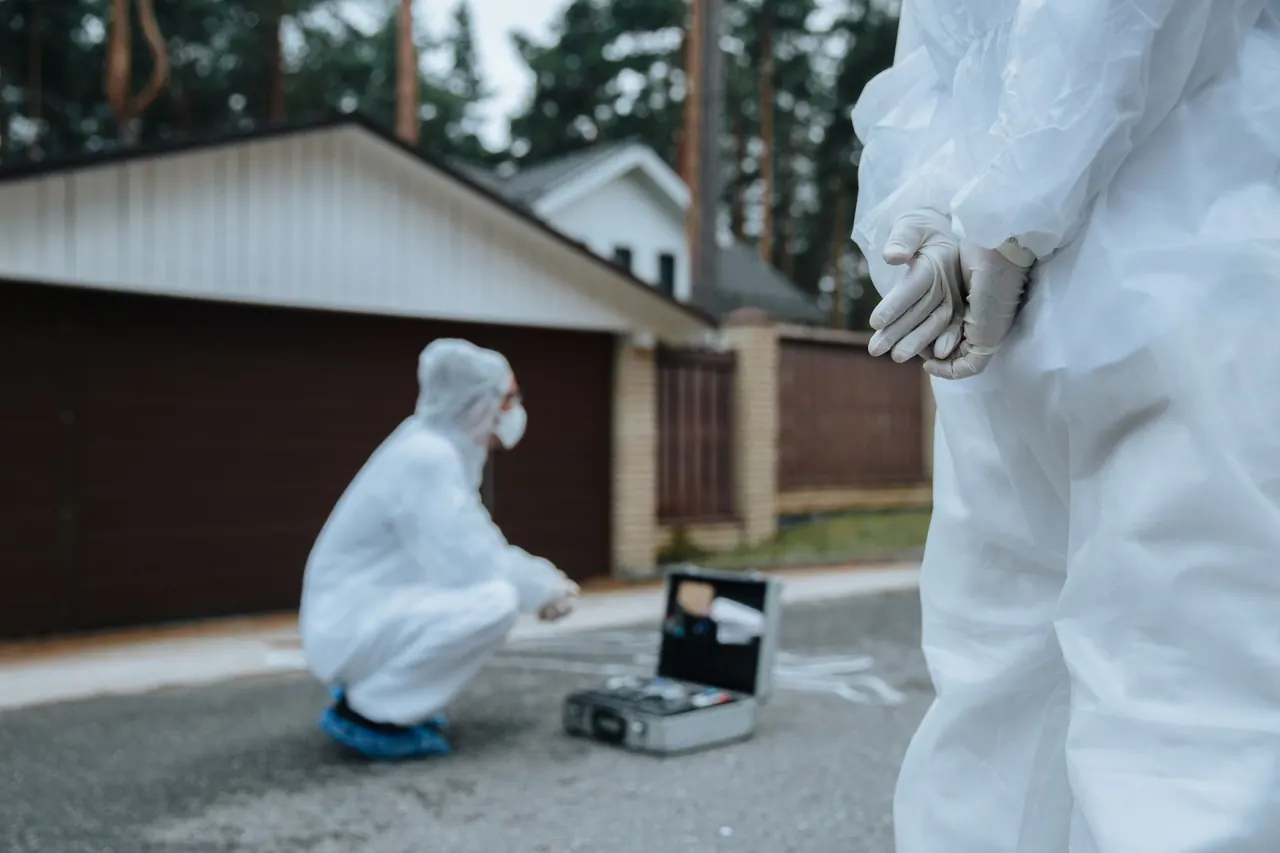
When a wall is wet, the whole room is at risk. Our emergency crews respond 24/7 to stop the source, extract standing water, and begin structural drying before mold takes hold in your Lake Worth Beach home.
View service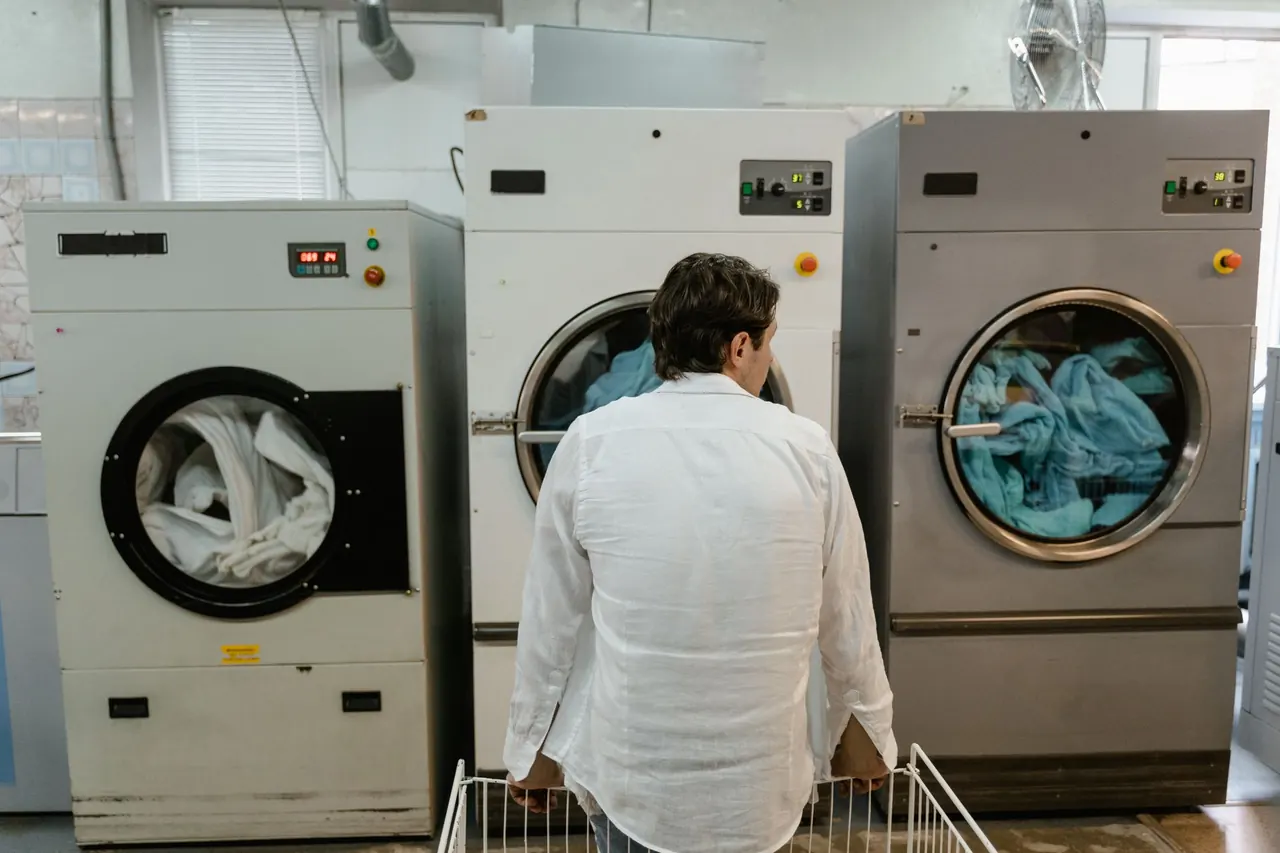
Wall drying is often the first step in a larger residential restoration. We handle everything from extraction to drywall repair, so your Lake Worth Beach house returns to normal without you managing multiple contractors.
View service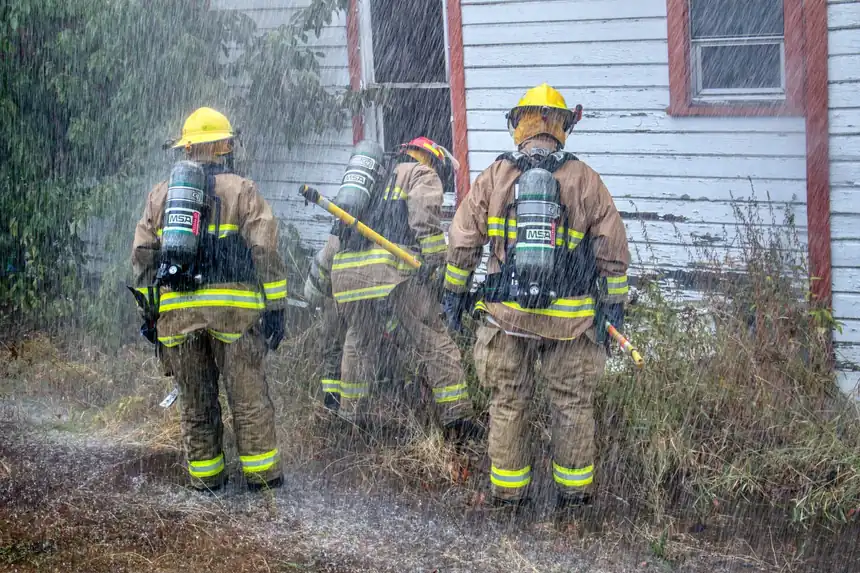
Wet walls in a storefront or office can shut you down. We dry commercial walls fast and work around your hours to minimize disruption for Lake Worth Beach businesses along Lake Avenue and Dixie Highway.
View service
Before walls can dry, standing water has to go. We extract water from floors and wall bases with truck-mounted units, then move straight into wall cavity drying. One crew, one call.
View service
We answer the phone 24 hours a day, every day of the year. Call (561) 760-4158 and a technician will take your address, ask what happened, and dispatch a crew. Most Lake Worth Beach addresses see a truck within 60 to 90 minutes. If water is still running, shut the supply valve first, then call.