Focused arrival windows
Useful updates and clear arrival timing.
When a pipe lets go, every minute soaks deeper into your floors and walls. Our Burst Pipe Water Damage Cleanup in Lake Worth Beach team shuts off the source, extracts standing water, and dries the structure before mold takes hold. We handle emergency water extraction for homeowners, landlords, and business owners across Florida, 24 hours a day. Call (561) 760-4158 and we roll a truck your way.
Useful updates and clear arrival timing.
Review the approach and price before deciding.
Equipped vehicles and respectful cleanup.
Neighbors serving neighbors with follow-through.
Every pipe-break job starts with the same core scope: stop the water, extract it, dry the structure, and document the loss. What changes is how far the water traveled and what materials it touched. Here is what is covered on a standard cleanup, and where add-on work comes in.
We confirm the water is off and close the isolation valve if you could not reach it. If the main valve is seized, we have the tools to shut it without breaking the line. This happens before any extraction starts.
We scan every affected room with thermal imaging and pin-type meters to find water behind walls, under floors, and inside cabinets. You get a clear picture of what is wet and what is not, usually within 30 minutes of arrival.
Truck-mounted extractors pull standing water from carpet, tile, and hardwood. Weighted heads handle carpet, squeegee wands handle hard surfaces. A typical flooded room clears in 1 to 3 hours depending on volume and spread.
We place LGR dehumidifiers and air movers sized to each room, plus injector-dry systems for wall cavities and drying mats for hardwood. Equipment stays until materials read dry against an unaffected control area.
We check moisture readings every 24 hours and log them. You get photo documentation, moisture maps, and a final drying report you can hand to your insurance adjuster. No guessing, no silence between visits.
Where water sat long enough to raise mold risk, we apply EPA-registered antimicrobial to affected surfaces. That includes wall cavities, subfloor edges, and cabinet bases. It is a preventive step, not a replacement for drying.
Share what is happening and receive a clear next step from the local team.
Burst Pipe Water Damage Cleanup in Lake Worth Beach is the emergency process of stopping an active pipe failure, removing the water it released, and drying every material it touched. A supply line can push 4 to 10 gallons per minute into a home, so a 20-minute delay can mean hundreds of gallons under your floors. We shut the line down, extract the water, and meter the moisture in walls, subfloors, and cabinets until the readings match a dry standard.
Most calls we run in Lake Worth Beach come from aging galvanized and copper supply lines, irrigation lines cracked by root pressure, and CPVC joints that fail after a pressure spike. Salt air near the Intracoastal corrodes fittings faster than inland, and our summer storm season rattles older plumbing. If you are searching for emergency water damage restoration near me after a pipe blows, the first hour decides how much flooring and drywall you keep.
You call (561) 760-4158 and describe what happened. We ask where the pipe failed, whether the water is still running, and if you can reach the main shutoff. If you cannot, we walk you through it while a crew is dispatched. No phone tree, no waiting for a callback.
We arrive, confirm the water is off, and walk the property with moisture meters and a thermal camera. That scan finds water that traveled under baseboards, into adjacent rooms, or down through a ceiling. You get a straight answer on what is wet and what is not, usually within 30 minutes.
Truck-mounted and portable extractors pull standing water from carpet, tile, and hardwood. We use weighted extraction heads on carpet and squeegee wands on hard surfaces. A typical flooded room takes 1 to 3 hours to clear depending on how much water released and how far it spread.
We set LGR dehumidifiers and air movers sized to the cubic footage of each affected room. Walls get injector-dry systems, floors get drying mats, and we check readings every 24 hours. Most pipe-break jobs dry in 3 to 5 days. You get a daily update, not silence.
We do not pull equipment until materials read dry against an unaffected control area. You get a final moisture report, photos of the dry structure, and a written summary for your insurance file. If any material stayed wet, we keep drying. We do not guess.
Pulls standing water from carpet, tile, and hardwood at high volume. Weighted heads handle carpet, squeegee wands handle hard surfaces. This is the first piece of equipment running on site.
Low-grain refrigerant dehumidifiers pull moisture out of the air so wet materials can release water instead of reabsorbing it. Sized to the cubic footage of each affected room.
Move air across wet surfaces to speed evaporation. Placed at angles that push air into wall cavities and under cabinet toe kicks, not just across the open floor.
Finds temperature differences caused by evaporating moisture. We use it to trace water paths behind walls, under floors, and into ceilings that look dry on the surface.
Measure moisture content in drywall, wood, and subfloor. We take readings at the source, the edges of the wet zone, and an unaffected control area to set a dry standard.
Push dry air directly into wall cavities and under flooring. This dries framing and insulation without tearing out more drywall than necessary.
Pull moisture out of hardwood boards and the subfloor beneath them. Used when flooring can be saved instead of replaced, typically within 24 to 48 hours of the break.
The industry standard for water damage restoration. It sets the drying goals, moisture measurement methods, and documentation requirements we follow on every pipe-break job. We do not pull equipment until materials read dry against a control area.
We chart the wet zone room by room, marking where water traveled and how far it wicked into materials. That map drives where we place equipment and gives your insurance adjuster a clear picture of the loss.
Every 24 hours we record moisture readings, temperature, and relative humidity in each affected room. If a material stalls, we adjust equipment. The log becomes part of your claim file.
Where mold risk is elevated, we contain the work area and apply EPA-registered antimicrobial to affected surfaces. This is a preventive step that runs alongside drying, not a substitute for it.
We shut the water, extract from tile and hardwood, and dry the cabinet base and subfloor. Thermal imaging checks the wall cavity behind the sink and the adjacent room for hidden moisture. Most first-floor floods dry in 3 to 5 days. Cabinets and hardwood are saved when drying starts within 24 to 48 hours of the break.
We open the wall cavity, extract the water, and dry the framing and insulation with injector-dry systems. If the drywall is saturated, we remove and replace the affected section after drying. The wall cavity reads dry in 3 to 4 days, and the repair is limited to the section that got wet instead of the whole wall.
We respond after hours, contain the wet area, extract from the slab, and set drying equipment sized for the open floor plan. Drying runs through the weekend so the business can reopen Monday. A 1,200 square foot shop typically dries in 4 to 5 days, with moisture logs that match what the adjuster measures.
We pull the appliance, extract the water, and dry the laundry room flooring, baseboards, and the wall cavity behind the unit. Antimicrobial goes down where water sat against the wall. Laundry rooms usually dry in 3 days. The hose gets replaced, and the flooring and baseboards stay in place.
Lake Worth Beach has a mix of 1920s-era homes in the Historic District, mid-century block construction in Tropical Ridge and College Park, and raised pier-and-beam cottages near the Intracoastal. That range matters. Original galvanized and copper supply lines in older homes fail at fittings and elbows, and salt air near Hypoluxo Island and Bryant Park corrodes them faster. Slab-on-grade homes push water up through the floor when a line under the slab lets go, while raised homes send it into the crawl space. Our summer storm season, June through November, adds pressure spikes that crack CPVC joints. We run emergency water damage restoration across all of it, from Downtown to Sunset Ridge. If you need burst pipe water damage cleanup near me in North or South Lake Worth Beach, we know how water moves through these houses and we dry accordingly.
1920s homes with original hardwood, plaster walls, and galvanized supply lines. Drying has to be controlled so plaster and old wood do not crack.
Mid-century block homes on slab. Water from a pipe break spreads across the slab and wicks into baseboards and cabinet toe kicks fast.
Mix of renovated cottages and newer builds. We see kitchen and laundry supply line failures, often with hardwood flooring that can be saved.
Coastal salt air corrodes fittings and valve bodies faster. Pipe breaks here often start at a corroded elbow rather than the middle of a line.
Commercial and light industrial units with open floor plans and drop ceilings. Pipe breaks here need after-hours response and containment.
Fittings, valves, and copper lines corrode faster within a mile of the water. Pipe breaks in these homes often start at a fitting rather than a straight run, which changes where we look first.
June through November, municipal pressure can spike during storm events. Older CPVC and galvanized joints crack under the surge, so we see a bump in pipe-break calls during those months.
Water from a slab leak or under-slab pipe failure pushes up through the flooring. We meter the slab and dry from the surface down, and coordinate with a plumber on the line repair.
Water from a pipe break drains into the crawl space and soaks joists and insulation. We pump it out, dry the framing, and check for mold before closing up the access.
A braided supply line under a kitchen sink failed overnight and released roughly 80 gallons across the first floor. Water ran under the cabinets, into the dining room hardwood, and soaked the baseboards in two adjacent rooms.
We extracted the standing water in under two hours, dried the cabinet bases and hardwood with mats and air movers, and hit dry standard in four days. The hardwood stayed in place and the baseboards were saved.
Maintenance: Replace braided supply lines every five years and check the shutoff valve under the sink twice a year. A $15 hose is cheaper than a flooded kitchen.
A cold snap split a copper pipe in an exterior wall of a mid-century block home. Water ran down inside the wall cavity and pooled on the slab, soaking the drywall and the base of a bedroom wall.
We opened the wall, dried the cavity with injector systems, and replaced the saturated drywall section. The slab and framing read dry in three days, and the repair was limited to a two-foot section of wall.
Maintenance: Insulate exterior wall pipes and let a faucet drip during hard freezes. Keeping cabinet doors open on exterior walls helps warm air reach the plumbing.
A pipe broke over a weekend in a 1,200 square foot commercial unit, flooding the slab and soaking the base of several interior walls. The business was set to reopen Monday morning.
We responded Saturday night, extracted the water, and set drying equipment sized for the open floor plan. The slab and walls read dry in five days, and the business reopened Monday with drying still running in contained areas.
Maintenance: Shut off water to unoccupied units and install a leak sensor near the main. A monitored shutoff valve can stop a weekend break before it floods the floor.
A burst pipe causes more than a wet floor. It creates hidden moisture, ruined materials, and insurance headaches if nobody documents the loss properly. Here are the problems we hear on the phone and how we handle them.
Water travels along joists and subfloor, soaking rooms that look dry on the surface. Left alone, it swells hardwood, warps cabinet bases, and feeds mold within 24 to 48 hours. We use thermal imaging and pin-type meters to trace the water path, then extract and dry every affected cavity. Drying mats and injector systems pull moisture out of floors and walls without tearing out more than necessary.
Adjusters need proof of the loss: photos, moisture readings, and a clear scope. Without that file, claims get trimmed or denied, and you pay out of pocket for damage a pipe caused. We photograph the source, log daily moisture readings, and produce a written scope of work. If your adjuster comes out, we walk the property with them. That documentation is what gets pipe-break claims approved.
Mold needs moisture and 24 to 48 hours. If the structure was not dried to standard, spores colonize drywall, baseboards, and subfloor. By the time you smell it, remediation costs more than drying would have. We dry to the IICRC S500 standard and do not pull equipment until materials read dry against a control area. Where water sat long enough to raise risk, we apply EPA-registered antimicrobial to affected surfaces.
Homeowners often rip out flooring and drywall that could have been saved, or keep materials that should come out. Both mistakes cost money and delay getting back to normal. We meter every material and tell you straight what can be dried and what has to go. Hardwood and engineered flooring often survive if drying starts within 24 to 48 hours. Saturated pad and crumbling drywall do not, and we say so.
$1,200 - $4,500 depending on scope
Typical 2026 pricing for burst pipe water damage cleanup in Lake Worth Beach runs $1,200 to $4,500 for residential jobs, and higher for commercial spaces or water that traveled through multiple floors. The range depends on how much water released, how far it spread, and what materials it touched. Extraction, drying equipment, daily monitoring, and documentation are included. We give you the number before we start, so there is no surprise on the invoice. Insurance usually covers the cleanup and structural repairs.
You are paying for the water to come out fast and the structure to dry to standard. That is what protects your flooring, cabinets, and drywall from replacement. It is also what keeps a pipe break from turning into a mold remediation job three weeks later.
A supply line can push 4 to 10 gallons per minute. A break caught in 10 minutes releases far less water than one that ran for an hour, and that changes extraction time and equipment count.
Water that stays in one bathroom is a smaller job than water that runs under hardwood through three rooms and into a ceiling cavity. Each affected room needs its own drying equipment and daily monitoring.
Carpet and pad dry faster than hardwood and subfloor. Plaster walls in Historic District homes hold moisture longer than modern drywall, which extends drying time by a day or two.
If water sat long enough to raise mold risk, we add containment and EPA-registered antimicrobial application. That is a preventive step, and it costs less than remediating mold later.
Crawl spaces, packed cabinets, and furniture slow extraction and drying setup. We move what we can and work around what we cannot, but tight access adds labor time to the job.
Most homeowner policies cover sudden pipe breaks, including extraction, drying, and structural repair. We document the loss so your adjuster can process the claim without back-and-forth.
Our technicians are trained in water damage restoration and structural drying, and we work to the IICRC S500 standard on every job. We have dried out slab-on-grade homes in Tropical Ridge, raised cottages in the Historic District, and commercial spaces near Lake Worth Park of Commerce. We know how water moves through 1950s block construction and how fast it wicks into original hardwood. We carry moisture meters, thermal imaging, and truck-mounted extraction on every truck, so we are not making a second trip for equipment.
A supply line under our kitchen sink let go at 11 p.m. and flooded the whole first floor. They answered on the first ring, walked me through shutting the main off, and had a crew here in under an hour. Water was out that night and the floors were dry in four days. They documented everything for our insurance and the claim went through without a fight.
One of my rentals had a copper pipe burst in the wall during a cold snap. They opened the wall, dried the cavity, and saved the original hardwood in the living room. I have used other companies that just set fans and left. This crew checked readings every single day and gave me a written report at the end. That is what I want as a property owner.
A pipe broke over a weekend and soaked about 1,200 square feet of our shop. They worked around our equipment, kept the drying contained, and had us back open Monday morning. The moisture logs they gave us matched what our adjuster measured, so there was no argument on the claim. Straightforward crew, no runaround.
Most residential pipe-break cleanups in Lake Worth Beach run $1,200 to $4,500 in 2026, depending on how much water released and how many rooms it reached. A single flooded bathroom with quick shutoff sits at the low end. Water that traveled under hardwood through three rooms, or into a ceiling cavity, pushes toward the top. Extraction, drying equipment, and daily monitoring are included in that range. We give you the number before we start.
Most homes dry in 3 to 5 days. A single room with carpet and drywall can hit dry standard in 3 days. Slab-on-grade homes with hardwood and cabinets take 4 to 5 days because the subfloor and cabinet backs hold moisture longer. We check readings every 24 hours and do not pull equipment until the structure reads dry. If materials are still wet on day five, we keep drying.
Shut the water off first, then call us. If you can reach the main valve, close it. If the valve is seized or you cannot find it, call (561) 760-4158 and we will walk you through it while a crew is on the way. We handle the water and the drying. If the pipe itself needs a repair or replacement, we coordinate with a licensed plumber so the line is fixed before we finish drying.
Most homeowner policies cover sudden pipe breaks, including extraction, drying, and repairs to the structure. What is usually not covered is the failed pipe itself and long-term damage from a leak you knew about and ignored. We document the loss with photos, moisture maps, and daily drying logs so your adjuster has what they need. We work directly with carriers and can walk the property with your adjuster.
Not seeing your question? Our local team can help you understand urgency, scheduling and what to expect.
Ask the local team
When a pipe break floods more than one room, we run full emergency water damage restoration: extraction, drying, and rebuild coordination. Same crew, same truck, one scope of work for your Lake Worth Beach property.
View serviceHomes in Parrot Cove and College Park see pipe breaks in kitchens, laundry rooms, and bathrooms. Our residential restoration covers carpet, hardwood, drywall, and cabinets, with drying plans sized to the room count.
View service
A burst line in a Lake Worth Park of Commerce unit can shut down a business for days. We handle commercial restoration with after-hours scheduling, containment, and drying equipment sized for open floor plans and drop ceilings.
View service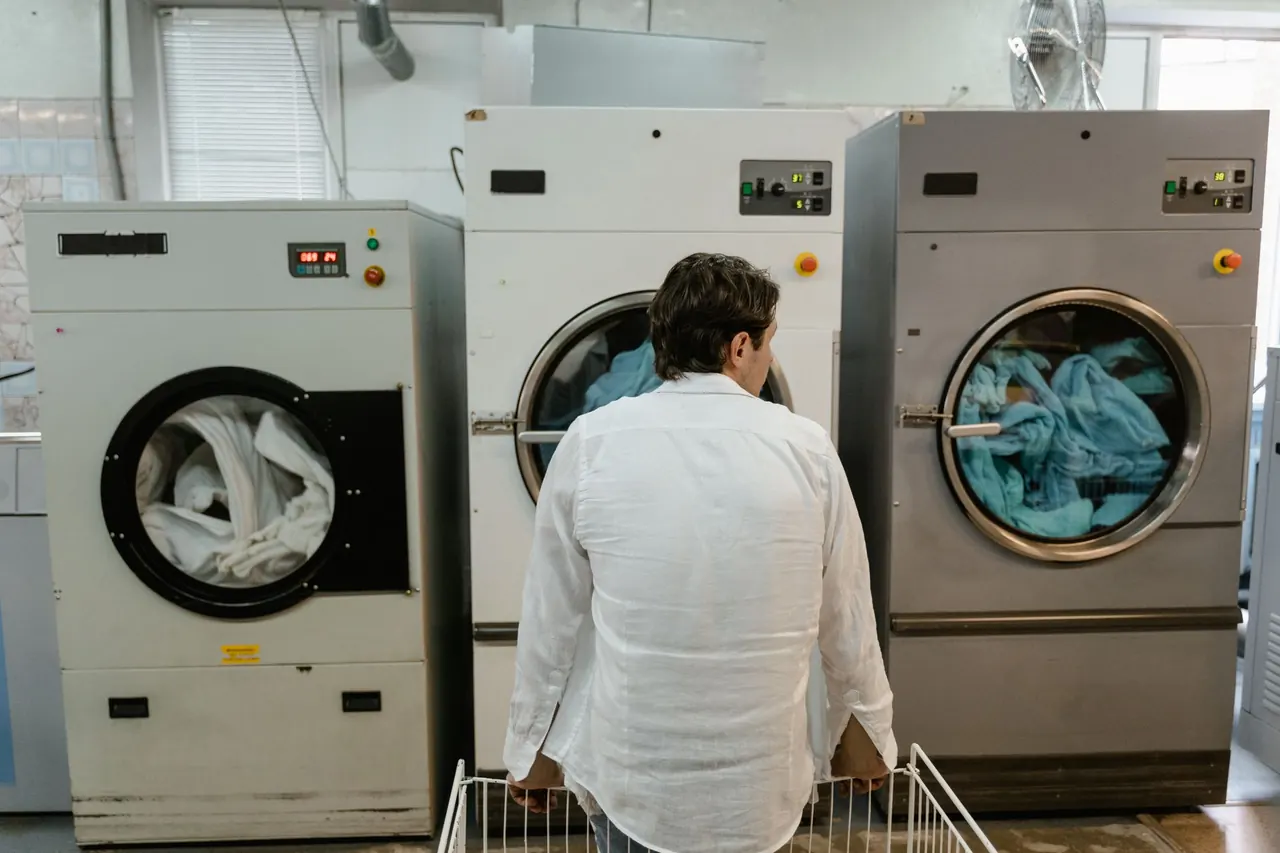
Standing water from a pipe break comes out fast with truck-mounted extraction. We pull water from carpet, tile, and hardwood before it wicks into the subfloor, usually within the first hour or two on site.
View service
We answer the phone 24 hours a day, every day of the year. Call (561) 760-4158 and a technician will take your address, ask what happened, and dispatch a crew. Most Lake Worth Beach addresses see a truck within 60 to 90 minutes. If water is still running, shut the supply valve first, then call.