Focused arrival windows
Useful updates and clear arrival timing.
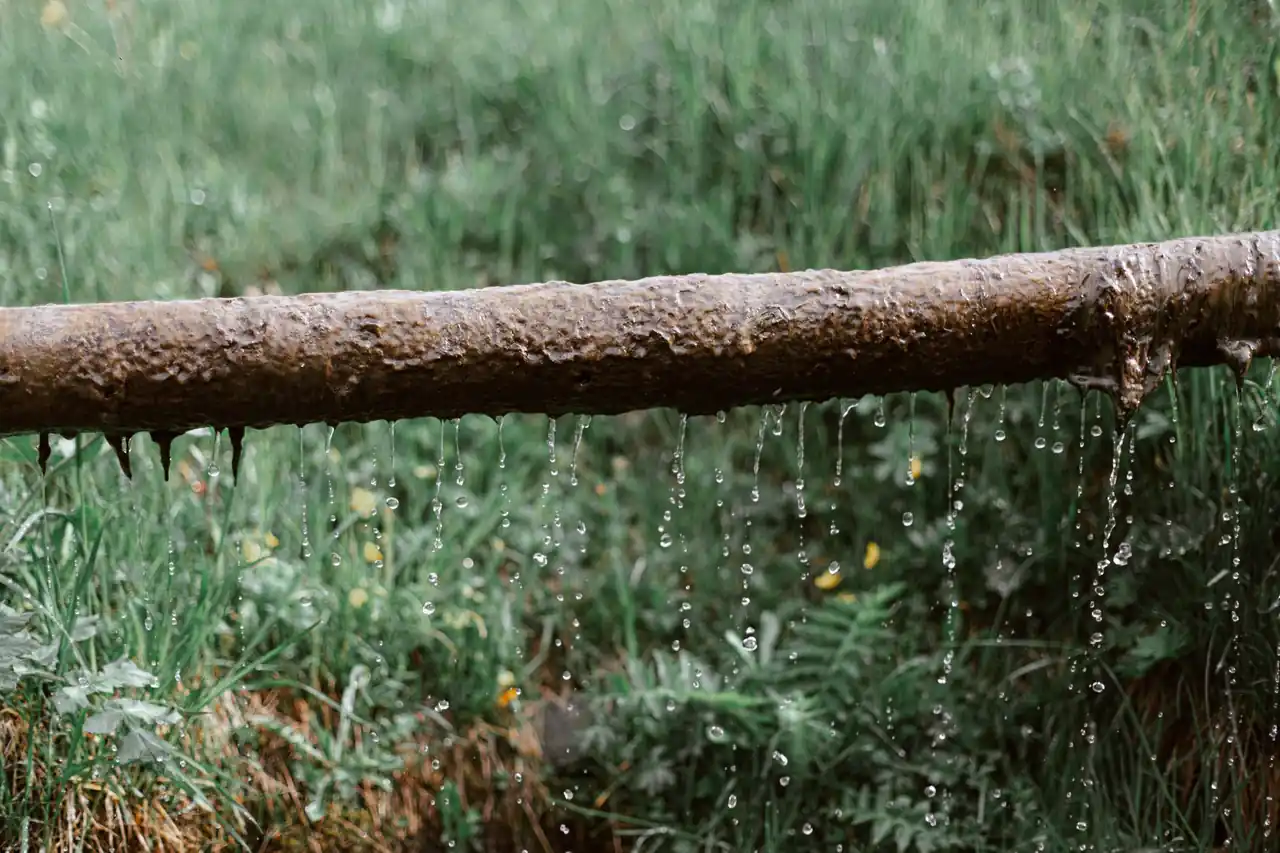
Ceiling Water Damage Drying in Lake Worth Beach is what stops a small roof leak or upstairs overflow from turning into a collapsed ceiling. We dry the drywall, joists, and insulation before mold sets in, using thermal imaging and industrial dehumidifiers. If your ceiling is stained, bulging, or dripping, call (561) 760-4158 and we will be there same-day.
Useful updates and clear arrival timing.
Review the approach and price before deciding.
Equipped vehicles and respectful cleanup.
Neighbors serving neighbors with follow-through.
Our ceiling drying service covers the full process from moisture detection to final verification. We do not charge extra for thermal imaging or daily monitoring. Here is what you get when you hire us.
We use thermal cameras and pin meters to find all wet areas in your ceiling. This ensures we dry the entire affected zone, not just the visible stain. You receive a moisture map before we start.
If water is trapped in the ceiling, we extract it with pumps and weighted units. We make a small relief hole if needed to drain sagging drywall. This prevents the ceiling from collapsing.
We position commercial air movers to blow across the wet ceiling and LGR dehumidifiers to remove moisture from the air. The number of units depends on the size of the wet area. We adjust daily.
We apply an EPA-registered antimicrobial to wet framing and drywall edges to prevent mold growth. This is included in our standard service. It dries clear and does not stain.
We return every 24 hours to take moisture readings and adjust equipment. You get a daily log with photos and readings. This documentation is accepted by all major insurance carriers.
We do not remove equipment until the ceiling reads within 10 percent of a dry standard. You get a final report showing the dry readings. We also advise on any repairs needed.
Share what is happening and receive a clear next step from the local team.
Ceiling water damage drying is the controlled removal of moisture from drywall, plaster, ceiling joists, and insulation after a leak, overflow, or storm intrusion. We start with moisture mapping using pin meters and thermal cameras to find every wet pocket, then set up air movers and dehumidifiers to pull water out of the structure. In Lake Worth Beach, ceiling damage often comes from roof leaks during summer storms or AC condensate line clogs in older homes. Left alone, wet ceiling drywall can sag within 24 to 48 hours and support mold growth in under 72 hours.
Local homeowners call us most often after a hurricane or heavy rain pushes water through a failing roof flashing, or when an upstairs bathroom supply line bursts. The warm, humid Florida climate makes ceiling cavities dry slower than in drier states, so we run dehumidification longer and monitor with daily readings. If you have water-stained ceiling tiles in a historic home near Downtown Lake Worth Beach, we know how to dry them without destroying original plaster. We also handle ceiling water removal for commercial buildings along Lake Worth Road after sprinkler line breaks.

You call (561) 760-4158 and describe the leak. We ask if the ceiling is bulging or dripping, and whether the water is still running. If it is safe, we tell you to shut off the nearest supply valve and move furniture. A technician is dispatched within 60 minutes for most Lake Worth Beach addresses.
We arrive with thermal cameras and pin-type moisture meters. We scan the entire ceiling and the floor above to find the source and the wet boundary. You get a written scope with photos before we start any drying equipment. This takes 30 to 45 minutes for a typical bedroom ceiling.
If there is standing water in the ceiling cavity, we extract it with a weighted extraction unit or a portable pump. For sagging drywall, we may make a small relief hole to drain trapped water. We capture everything in a bucket, not on your floor. This step usually takes 1 to 2 hours.
We position axial air movers to blow across the wet ceiling surface and place LGR dehumidifiers to pull moisture from the air. In a 12x12 room, we typically use 4 air movers and 1 dehumidifier. You will hear a steady hum, but we can adjust the setup if you need quiet for a home office.
We return every 24 hours to take moisture readings and adjust equipment. Most ceilings dry in 3 to 5 days. We do not remove equipment until the drywall reads within 10 percent of a dry standard. You get a final report showing the before and after numbers.
We use these to see temperature differences that indicate hidden moisture in ceilings and walls. They help us find wet spots without cutting into drywall.
These meters give us exact moisture content readings in drywall and wood. We use them daily to track drying progress and know when the ceiling is dry.
Low-grain refrigerant dehumidifiers pull moisture from the air, speeding up drying. We use them in every ceiling drying job, especially in Florida's humid climate.
These high-velocity fans blow air across wet surfaces to evaporate moisture. We position them to create a vortex that dries the ceiling evenly.
When water is trapped in a sagging ceiling, we use these to pull it out through a small hole. They remove standing water fast without causing a collapse.
For ceilings with multiple layers, we use injector dryers to force air between layers. This dries the drywall and insulation without demolition.
We follow the IICRC S500 standard for water damage restoration. This means we categorize the water, classify the damage, and dry to a documented standard. It ensures a consistent, professional result.
We scan the entire ceiling with a thermal camera to create a moisture map. This shows us exactly where the wet areas are. We then place equipment to target those areas.
We measure temperature and humidity to calculate the drying potential of the air. This tells us how many dehumidifiers and air movers to use. We adjust daily based on readings.
We apply an EPA-registered antimicrobial to wet framing and drywall edges. This prevents mold growth during the drying process. It is safe for homes and pets.

We tarp the roof if needed, extract water from the ceiling, and set up drying equipment. We also check the attic insulation for moisture. Your ceiling dries in 3 to 5 days, and you avoid mold and a full ceiling replacement.
We extract the water, disinfect the ceiling with antimicrobial, and dry the structure. We also check for contamination. The ceiling is dry and sanitized within 4 days, and your family can use the bathroom again.
We work after hours to extract water and dry the ceiling. We use commercial dehumidifiers to minimize downtime. The ceiling is dry and ready for business within 48 hours, with minimal disruption.
We extract water, dry the ceiling, and document the damage for insurance. We also apply a temporary roof patch. The ceiling is dry and the claim is approved without hassle.
Lake Worth Beach has a humid subtropical climate with an average relative humidity above 70 percent. That means ceilings dry slower here than in drier parts of Florida. We run dehumidifiers longer and monitor moisture more frequently. Many homes in the Historic District have original plaster ceilings, which require gentle drying to prevent cracking. We use low-heat methods and check daily. In newer homes west of Dixie Highway, we often find ceiling damage from AC condensate line clogs. We clear the line and dry the ceiling. After a hurricane, roof leaks are the top cause of ceiling water damage. We tarp the roof, extract water, and dry the ceiling. We also know the permitting requirements for structural repairs in Lake Worth Beach, so we can advise on next steps. If you have a wet ceiling in Hypoluxo Island or South Palm Park, call us. We are local and we respond fast.
Many homes have original plaster ceilings that need slow, low-heat drying to avoid cracking.
Older homes with clay tile roofs are prone to leaks that soak ceilings during heavy rain.
Concrete block homes with flat roofs often have ceiling leaks from failed roof coatings.
Luxury homes with multi-level ceilings require careful drying to protect high-end finishes.
Commercial buildings with drop ceilings need fast drying to minimize business interruption.
Ceilings dry slower, so we use more dehumidifiers and monitor daily to prevent mold.
Roof leaks are common, leading to ceiling water damage. We respond quickly to prevent mold.
Storm-driven rain can soak ceilings. We prioritize emergency calls during and after storms.
Plaster requires gentle drying to avoid damage. We use low-heat methods and daily checks.
A burst pipe upstairs sent water through the ceiling of a 1950s home. The drywall was sagging and stained, and the homeowner was worried about a collapse.
We extracted 5 gallons of trapped water, set up 6 air movers and 2 dehumidifiers, and dried the ceiling in 4 days. The sagging disappeared, and the ceiling was saved.
Maintenance: We recommended the homeowner check the upstairs plumbing annually and fix any leaks immediately to prevent future damage.
A roof leak soaked the plaster ceiling in a 1920s bungalow. The homeowner was afraid the plaster would crack if dried too fast.
We used low-heat drying and monitored moisture daily. The plaster dried in 6 days without cracking. The original finish was preserved.
Maintenance: We advised the homeowner to repair the roof flashing and keep gutters clean to prevent future leaks.
A sprinkler line broke over a weekend, soaking 1,200 square feet of ceiling tiles in an office building. The business needed to reopen by Monday.
We worked around the clock, extracted water, and dried the ceiling in 48 hours. The business reopened on time with no mold.
Maintenance: We recommended annual sprinkler inspections and a moisture sensor in the ceiling cavity to catch future leaks early.
Wet ceilings cause more than a stain. Here are the specific problems we fix for Lake Worth Beach homeowners and property managers.
A sagging ceiling can collapse, causing injury and expensive damage to floors and furniture. We extract the trapped water through a small relief hole, then dry the drywall and joists. Most ceilings regain their shape within 48 hours. If the drywall is too damaged, we can remove and replace it.
Mold spreads quickly in Florida humidity and can cause health issues and structural rot. We drop the humidity below 50 percent with dehumidifiers and apply antimicrobial to affected areas. We also set up containment if mold is already present. Our drying stops mold from spreading.
Historic plaster in Lake Worth Beach homes is delicate and can crumble if dried too fast. We use low-heat drying and monitor moisture daily to protect original plaster. Our technicians are trained in historic preservation techniques. We dry slowly to prevent cracking.
Without proof of sudden damage, your claim may be denied, leaving you with the bill. We provide thermal images, moisture logs, and photos from day one. Our reports meet insurance requirements. We also bill your carrier directly to simplify the process.
A musty smell means mold is growing somewhere you cannot see, often in the ceiling cavity. We use thermal imaging to find hidden moisture and dry it completely. We also use air scrubbers to remove odors. Once dry, the smell disappears.
$350 - $700 for a typical single-room ceiling; larger or more complex jobs can run $1,200 or more
We believe in upfront pricing. For a typical 10x10 ceiling, drying runs $350 to $700 in 2026. The price depends on the size of the wet area, the type of ceiling material, and how many days of drying are needed. We provide a written estimate before we start. If you file an insurance claim, we bill your carrier directly. There are no hidden fees for equipment, monitoring, or antimicrobial application. We also offer a free moisture inspection if you are not sure if your ceiling is wet.
Professional drying costs a fraction of replacing a collapsed ceiling and remediating mold. Our upfront pricing and insurance billing make it easy to get the help you need without surprise fees.
The larger the wet area, the more equipment and time needed. A 10x10 ceiling is our base price. A 20x20 ceiling may cost twice as much.
Drywall dries faster than plaster. Plaster ceilings require low-heat drying and more monitoring, which adds to the cost. We adjust our method based on the material.
Clean water from a supply line is cheaper to dry than contaminated water from a toilet overflow. Contaminated water requires antimicrobial treatment and may need removal of wet materials.
Most ceilings dry in 3 to 5 days. If the ceiling is saturated or the humidity is high, it may take longer. We charge a daily rate for equipment after the first 3 days.
If the ceiling is high or in a tight space, we may need special equipment like scaffolding. This can add to the cost. We assess accessibility during the inspection.
If your insurance covers the damage, your out-of-pocket cost may be just your deductible. We bill the carrier directly and provide all documentation.
We are not a franchise call center. Our technicians are IICRC-certified in water damage restoration and have dried thousands of ceilings across Palm Beach County. We train on the latest thermal imaging and moisture detection tools, and we follow the IICRC S500 standard for every job. Because we are local, we know the building quirks in Lake Worth Beach: the 1920s wood-frame homes near the Historic District, the concrete block ranches west of Dixie Highway, and the high-rise condos on the Intracoastal. That means we bring the right equipment the first time.
A pipe burst upstairs and water was dripping through my dining room ceiling. I called at 7 a.m. and they were here by 8. They set up fans and a dehumidifier, and by day four the ceiling was dry. They even helped me file the insurance claim. I cannot recommend them enough.
We had a roof leak in a 12-unit building that soaked three ceilings. The team from Lake Worth Beach Water Damage dried all of them in under a week. They were professional, on time, and kept the tenants informed. Their documentation made the insurance process painless.
After the last hurricane, my ceiling was sagging from water. They came out same day, extracted the water, and set up drying equipment. They checked the moisture every day and did not leave until it was dry. They saved me from a full ceiling replacement.
Most ceiling drying jobs in Lake Worth Beach run $350 to $700 for a single room in 2026. The price depends on the square footage, how wet the insulation is, and how many days of drying are needed. We provide a written estimate before we start, and we bill insurance directly if you file a claim. There are no hidden fees for equipment or monitoring.
A typical wet ceiling dries in 3 to 5 days with professional equipment. We set up air movers and dehumidifiers on day one, then check moisture levels every 24 hours. If the drywall was saturated from a burst pipe, it might take 6 days. We do not remove equipment until the moisture content is within 10 percent of a dry standard.
No. Painting over a water stain traps moisture and hides mold growth. The stain will bleed through within weeks, and the drywall may still be wet behind the paint. We dry the ceiling first, then treat the stain with a stain-blocking primer. Only after the moisture meter reads dry should you paint.
You can usually stay home during ceiling drying. The equipment is noisy, so you may want to sleep in another room. If we have to remove a large section of ceiling and the attic insulation is disturbed, we may recommend staying elsewhere for a day. We will tell you upfront if that is necessary.
Not seeing your question? Our local team can help you understand urgency, scheduling and what to expect.
Ask the local teamWhen a ceiling leak is part of a larger water damage event, our emergency restoration team handles the full scope. We extract water, dry the structure, and repair damaged materials. For Lake Worth Beach homeowners, this means one call covers everything from the ceiling to the floor.
View service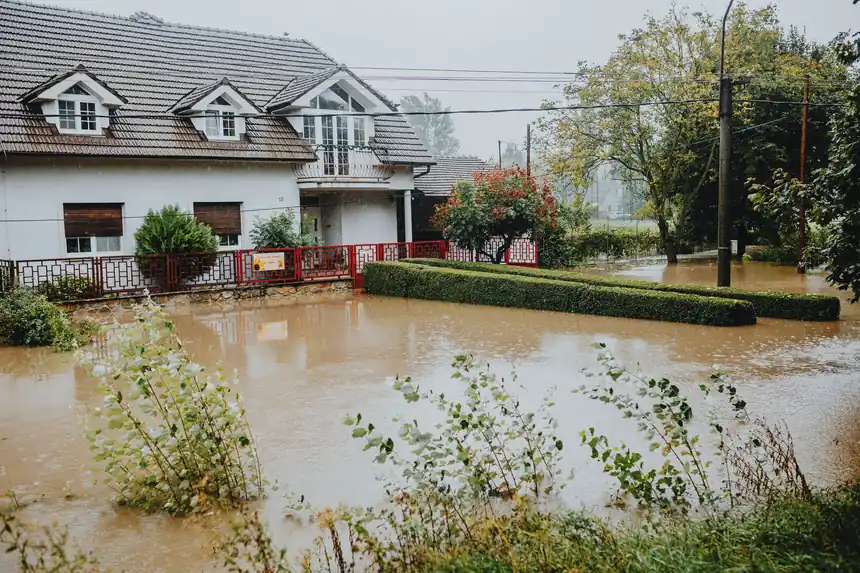
Ceiling water damage often starts from an upstairs bathroom or roof leak in a home. Our residential restoration service dries the entire house, not just the ceiling. We protect your furniture, floors, and belongings while we work. Ideal for Lake Worth Beach houses with multiple wet rooms.
View service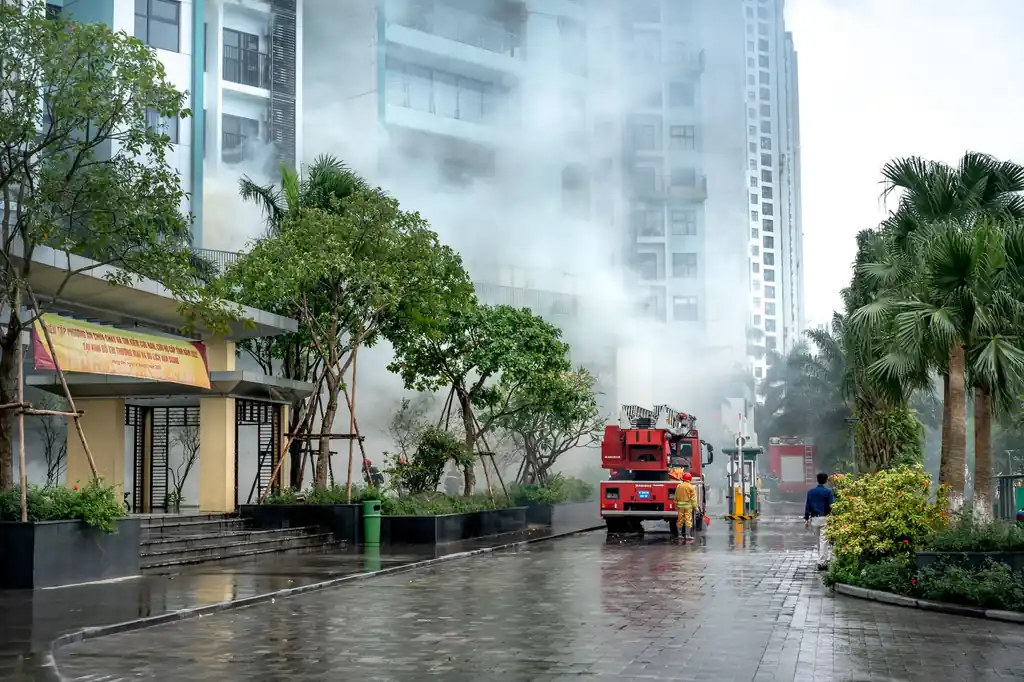
If your business has a wet ceiling from a sprinkler break or roof leak, we minimize downtime. We work after hours and on weekends to dry commercial ceilings in Lake Worth Beach. Our team coordinates with property managers and provides documentation for liability claims.
View serviceWhen water is pooling in a sagging ceiling, emergency extraction removes it fast. We use weighted extraction units and pumps to pull water out before it collapses the drywall. This service is often the first step before ceiling drying begins. Available 24/7 in Lake Worth Beach.
View service
We answer the phone 24 hours a day, every day of the year. Call (561) 760-4158 and a technician will take your address, ask what happened, and dispatch a crew. Most Lake Worth Beach addresses see a truck within 60 to 90 minutes. If water is still running, shut the supply valve first, then call.