Focused arrival windows
Useful updates and clear arrival timing.
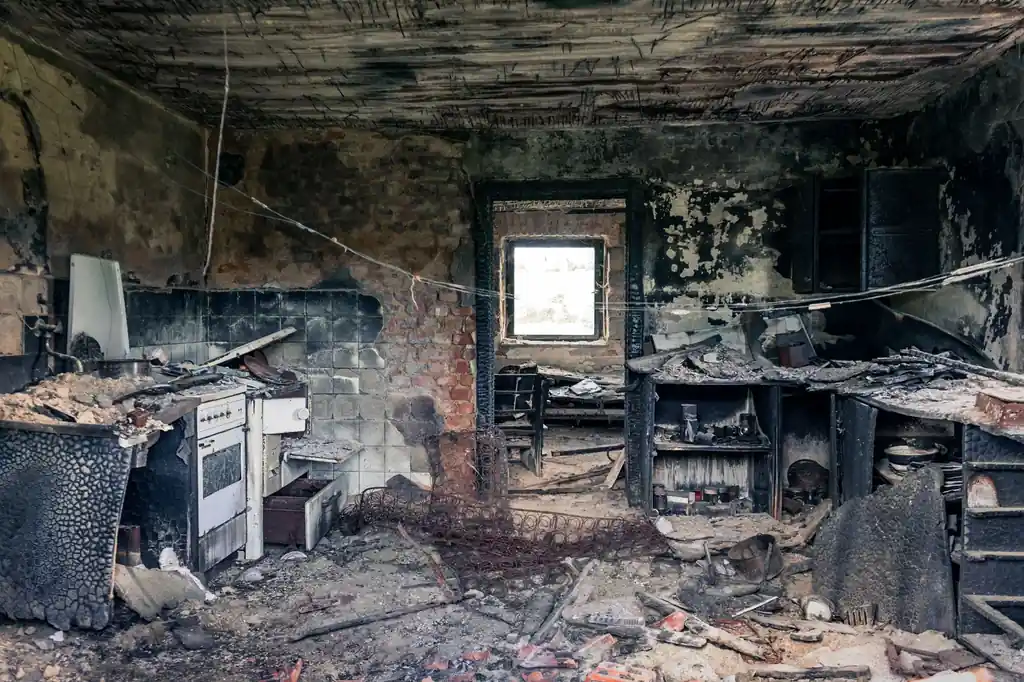
Emergency Water Extraction in Lake Worth Beach starts with a phone call and ends with a dry floor. We pull standing water from homes and businesses across Lake Worth Beach, Florida, then dry the structure so mold never gets a foothold. Whether a burst pipe flooded your kitchen or a storm pushed water through a sliding door, we bring the pumps, the meters, and the manpower to stop the damage from spreading.
Useful updates and clear arrival timing.
Review the approach and price before deciding.
Equipped vehicles and respectful cleanup.
Neighbors serving neighbors with follow-through.
Every extraction job we run in Lake Worth Beach includes the core steps below. Add-on services like reconstruction or duct cleaning are quoted separately if you need them, and we tell you upfront before any extra work begins.
A live person answers your call and a crew is dispatched immediately. Most Lake Worth Beach addresses see us within 60 to 90 minutes, day or night, weekends and holidays included.
Thermal imaging and pin-type meters map exactly where water traveled behind walls, under floors, and above ceilings. This inspection drives the entire extraction and drying plan.
Truck-mount and submersible pumps pull standing water from every affected room. We extract until the surface is clear and the meter confirms the water is gone.
Weighted extraction wands pull water from carpet and pad far better than a shop vac. When the carpet can be saved, we extract and float it for drying instead of tearing it out.
Industrial air movers and LGR dehumidifiers are positioned to dry the structure. We set the equipment based on the inspection, not a template, and adjust as readings change.
We return daily to log moisture readings and adjust equipment. When the structure hits its dry standard, we remove the gear and give you a written report for your records and insurer.
Share what is happening and receive a clear next step from the local team.
Emergency Water Extraction in Lake Worth Beach is the physical removal of standing water from a flooded structure using truck-mount pumps, submersible pumps, and weighted extraction wands, followed by metered drying of the materials water soaked into. It is not a shop vac job. Water wicks into baseboards, subfloor, drywall, and insulation within hours, and the extraction equipment we run pulls hundreds of gallons in a single visit. We meter every room before and after so you know exactly what came out and what is left to dry.
Lake Worth Beach floods from the inside out. Cast-iron drains in the Historic District back up after heavy rain, older galvanized supply lines let go behind kitchen walls, and water heaters in Mango Groves and Tropical Ridge rust out quietly until the pan overflows. Hurricane season adds roof leaks and storm surge. When you need flood water removal in Lake Worth Beach after a summer downpour or a supply line failure, the clock is already running. Mold can colonize wet drywall in 24 to 48 hours, so the first visit matters more than any other.

You call (561) 760-4158 and describe what happened. We ask the questions that matter: is the water still running, is it clean or sewage, which rooms are affected. A crew is dispatched immediately, day or night. Most Lake Worth Beach addresses see us on site within 60 to 90 minutes.
We walk the property with thermal imaging and pin-type moisture meters to map exactly how far the water traveled. Water hides under tile, behind baseboards, and inside wall cavities. This step takes 20 to 40 minutes and tells us what equipment the job needs.
Truck-mount extraction units and submersible pumps pull standing water fast. We use weighted extraction wands on carpet and hard-surface extractors on tile and concrete. A typical flooded living room yields 50 to 150 gallons in the first pass. We keep going until the meter reads dry.
We position industrial air movers and LGR dehumidifiers to dry the structure, not just the air. Carpet gets lifted and floated, baseboards get detached where needed, and we place drying mats on hardwood. Setup takes one to two hours and runs 3 to 5 days depending on materials.
We return each day to log moisture readings and adjust equipment. When readings match a dry standard for the material, we remove the gear and give you a written drying report. Most jobs finish in 3 to 5 days. You get a dry structure and documentation for your insurer.

Pulls hundreds of gallons of standing water through a hose at high vacuum. This is the workhorse for flooded carpets and hard floors on every job.
Used when water is too deep for a wand, such as a flooded crawl space or a room with inches of standing water. Moves water out fast before drying starts.
Reveals temperature differences that point to hidden moisture behind walls, under floors, and above ceilings. Finds water you cannot see.
Measure moisture content in wood, drywall, and concrete. We use them to map the damage and to confirm when materials hit their dry standard.
Low-grain refrigerant units pull moisture from the air so the structure dries on schedule. Essential in Lake Worth Beach's humid climate.
High-velocity fans that evaporate moisture from surfaces and push it into the dehumidifier. Positioned based on the inspection, not a template.
Heavy wands that press water out of carpet and pad. Far more effective than a shop vac and the reason we can often save flooded carpet.
The industry standard for water damage restoration. It defines how we classify water, set drying goals, and document the job. Every extraction and drying decision we make follows it.
We meter and image every affected room to build a map of where water traveled. This map drives equipment placement and tells us when the job is actually finished.
When water is inside a wall, we drill small ports and inject air to dry the cavity without removing the drywall. Saves the wall and the cost of replacing it.
For salvageable carpet, we lift it off the pad, place air movers underneath, and dry both layers. Keeps the carpet you already paid for instead of sending it to the dump.
After extraction, especially with storm or sewage water, we apply EPA-registered antimicrobials to affected surfaces. This stops bacteria and mold from taking hold during the drying phase.
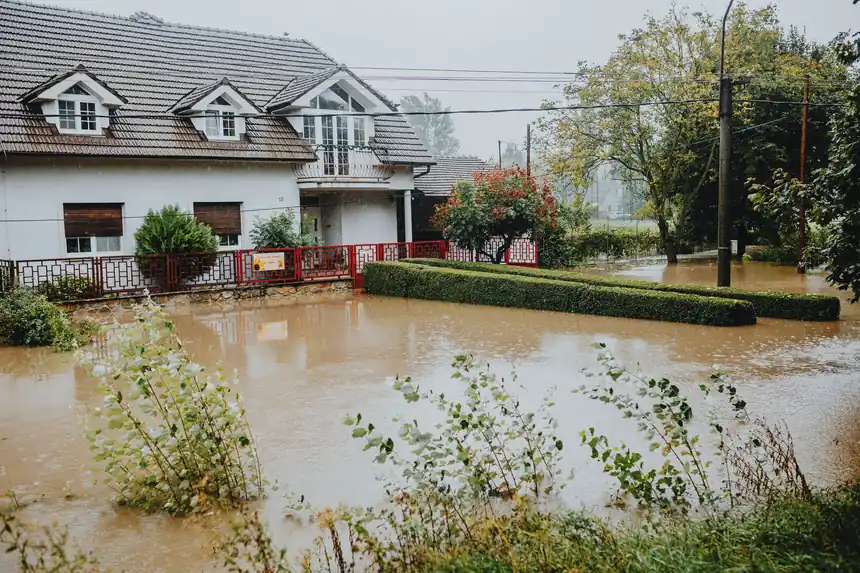
We dispatch immediately, shut off the water, and extract from the kitchen, hallway, and any room the water reached. Thermal imaging finds the hidden moisture inside the wall cavity. Water is out within hours, the wall cavity is dried with injection drying, and the original plaster and cabinetry are saved instead of replaced.
We extract the standing water, pull moisture from the concrete and any carpet, and set drying equipment. We check the baseboards and the wall between laundry and garage for wicking. The laundry room and garage are dry in 3 days, the drywall is saved, and you have documentation showing the failed hose for your insurance claim.
We extract the water from the tile and area rugs, dry the baseboards and the wall cavity, and treat the area to prevent mold from the storm water. The condo is dry in 4 days, the flooring is intact, and the HOA has the moisture report it needs for its records.
We extract after close, set drying equipment sized for the kitchen floor, and work around your reopening schedule so you lose as little business as possible. The kitchen passes inspection the next day, the floor is dry in 3 days, and your health permit is not at risk.
Lake Worth Beach sits in one of the wettest parts of Florida, and the housing stock shows it. The Historic District is full of 1920s wood-frame bungalows with original cast-iron drains and galvanized supply lines that fail after decades of service. Parrot Cove and Mango Groves have similar older homes, while newer construction near Lake Worth Park of Commerce uses concrete block and PVC. That mix changes how we extract and dry. Wood framing wicks water and needs longer drying times than block. Cast-iron drains back up during heavy rain, sending water into laundry rooms and garages. Hurricane season, June through November, adds roof leaks and wind-driven rain to the mix. We also deal with Florida's humidity, which slows drying if the dehumidification is not sized right. When you call for water extraction in Lake Worth Beach, we already know what your neighborhood is likely to throw at us.
Older wood-frame homes with original plumbing. Water wicks into framing and plaster, so drying times run longer and cavity drying is often needed.
Mix of historic bungalows and renovated homes near the water. Storm-driven rain and aging supply lines are the most common calls we get here.
Dense residential blocks with mature trees and older drain lines. Root intrusion and cast-iron backups send water into homes after heavy rain.
Commercial and light industrial buildings with large floor plates. Extraction here is sized for volume and scheduled around business hours.
Waterfront properties exposed to storm surge and wind-driven rain. We see more roof leaks and sliding-door intrusion here during hurricane season.
Drying takes longer without proper dehumidification. We size LGR units to the cubic footage of the affected area so the structure dries on schedule instead of stalling.
Storm surge, roof leaks, and wind-driven rain create sudden, large-volume extraction jobs. We keep crews on call and trucks stocked through the season.
Older homes in the Historic District and surrounding neighborhoods see more supply-line failures and drain backups. We know where these systems tend to let go.
Water can rise through slabs and crawl spaces after heavy rain. We pump and dry these spaces with equipment sized for the volume, not a standard residential setup.
A galvanized supply line failed behind the kitchen wall of a 1930s bungalow in the Historic District. Water spread across the kitchen, hallway, and two bedrooms, soaking hardwood and wicking up the plaster walls.
We extracted 90 gallons, dried the hardwood in place with floor mats, and cavity-dried the walls through injection ports. The structure hit its dry standard in 4 days. No flooring or plaster was replaced.
Maintenance: We recommended replacing the remaining galvanized lines and checking under the kitchen sink monthly. Catching the next failure early keeps the repair small.
A cast-iron drain backed up during a heavy rain event, sending Category 3 water into a bathroom and laundry room. Carpet and pad in the adjacent hallway were saturated, and the baseboards were wicking water.
We extracted the water, removed and disposed of the contaminated carpet and pad, treated the area with antimicrobials, and dried the structure in 5 days. The baseboards and subfloor were saved.
Maintenance: We advised a camera inspection of the drain line and annual root treatment. Cast-iron lines in this neighborhood benefit from a check before each rainy season.
A summer storm pushed water under the sliding door of a ground-floor condo near Bryant Park while the owner was at work. Tile flooring and area rugs were soaked, and water had reached the baseboards and lower drywall.
We extracted the water, dried the tile and rugs, and dried the wall cavity with directed airflow. The condo was dry in 3 days, and the HOA received the moisture report for its records.
Maintenance: We suggested a door sweep and a small threshold barrier. Both are inexpensive and stop the same intrusion the next time a storm rolls through.
Water damage rarely announces itself politely. These are the problems Lake Worth Beach homeowners and property managers call us about most, and how we handle each one.
Water trapped under tile or laminate warps the floor, grows mold underneath, and can undermine the subfloor before you see a single stain. We use thermal imaging to find the wet zone, extract through the flooring where possible, and dry the assembly with directed airflow and mats. If the floor has to come up, we tell you why and document it for your claim.
Category 3 water carries bacteria and pathogens. Anything porous it touches, including carpet and pad, has to be removed, and the space needs antimicrobial treatment. We extract the water, remove contaminated materials, treat the area with EPA-registered antimicrobials, and dry the structure. We handle the disposal so you are not hauling soaked carpet to the curb.
Summer storms and hurricanes drive water into homes fast. If it sits, mold can start in 24 to 48 hours and the damage spreads into walls and cabinetry. We extract the standing water, pull moisture from walls and floors with drying equipment, and document everything for your wind or flood claim. Crews are on call through hurricane season.
A failed tank releases 40 to 80 gallons in minutes. Water wicks into baseboards, drywall, and adjacent flooring, and the damage is often worse than it looks. We shut off the supply, extract the water, and dry the closet, hallway, and any rooms the water reached. We meter the walls and baseboards to confirm the moisture is out before we leave.
$500 - $2,500 for most residential jobs; larger or contaminated jobs quoted on site
Typical 2026 pricing for emergency water extraction in Lake Worth Beach runs $500 to $2,500 for most residential jobs, with larger commercial or sewage-contaminated jobs costing more. The number depends on how much water there is, what materials got wet, and how many days of drying the structure needs. We give you the price before we start, and we do not add charges without telling you first. Most homeowners policies cover sudden water damage, and we document the job so your claim moves.
Extraction and drying cost a fraction of replacing floors, drywall, and cabinetry. Spending a few hundred dollars to dry a structure correctly is what keeps a small leak from becoming a five-figure rebuild.
A single flooded room takes less time and equipment than a whole floor. Jobs under 50 gallons sit at the low end; jobs over 200 gallons need more pump time and more drying gear.
Clean water from a supply line is the simplest. Gray water from a dishwasher or washing machine needs antimicrobial treatment. Category 3 sewage water requires removal of porous materials and full treatment, which raises the cost.
Carpet and pad dry fastest. Hardwood, drywall, and concrete slab take longer and need more equipment. Materials that cannot be saved add removal and disposal to the job.
Most jobs dry in 3 to 5 days. Older wood-frame homes in the Historic District can take longer because the framing holds moisture. Each additional day adds monitoring and equipment time.
A ground-floor room with a clear path is straightforward. Crawl spaces, second-floor rooms, and tight historic layouts take more labor to extract and set equipment.
We answer 24/7 and dispatch the same way regardless of the hour. Night and holiday calls are handled by the same crew with the same equipment, and we tell you the price before we start.
Our technicians hold IICRC Water Restoration Technician (WRT) and Applied Structural Drying (ASD) certifications, and we work to the IICRC S500 standard on every job. We have extracted water from bungalows in the Historic District, condos near Bryant Park, and commercial kitchens along Lake Worth Park of Commerce. We know how this city's housing stock fails because we have dried it hundreds of times. When we tell you a floor can be saved or a wall has to come out, that call comes from hands-on experience, not a script.
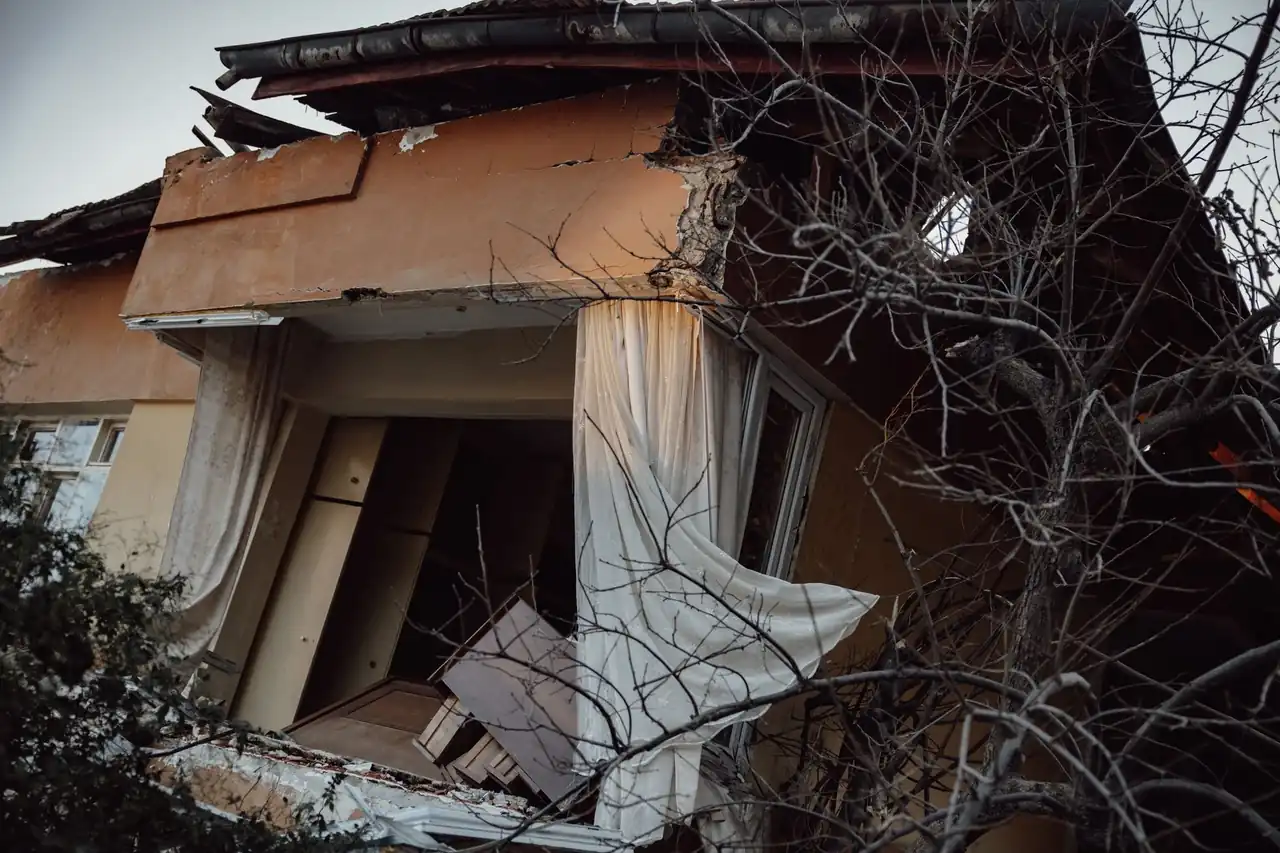
Our water heater let go at 11 p.m. and flooded the hallway and two bedrooms. The crew was here in about an hour, pulled the water, and had dryers running before midnight. They came back every day for four days and showed me the moisture readings each time. Carpet and baseboards were saved. I did not think that was possible.
A supply line burst in one of my rental units and the tenant called me in a panic. Lake Worth Beach Water Damage extracted the water and dried the unit in four days. Their report went straight to my insurance adjuster with photos and readings. Claim was approved without a fight. I have them on speed dial now.
A storm pushed water under our back door and soaked the kitchen floor during dinner service. They extracted that night after we closed and set drying equipment so we could open the next afternoon. Health inspector had no issues with the documentation. Losing a full day of business would have hurt; we lost half a shift.
Most residential extraction jobs in Lake Worth Beach run $500 to $2,500 depending on how much water, which materials got wet, and how many days of drying are needed. A single-room clean-water job sits at the low end; a whole-floor sewage backup with carpet removal and 5 days of drying sits at the high end. We give you the number before we start, and most homeowners policies cover the work.
Standing water removal usually takes 2 to 4 hours on site. The drying phase that follows runs 3 to 5 days for most Lake Worth Beach homes, with daily monitoring visits. Carpet and pad dry fastest; hardwood, drywall, and concrete slab take longer. We give you a day-by-day estimate after the first inspection so you know what to expect.
Often, yes. Carpet soaked with clean water can usually be extracted and dried in place if we get to it within 24 to 48 hours. Hardwood can frequently be saved with floor mats and injection drying. Sewage-contaminated carpet gets removed, no exceptions. We tell you honestly what can be saved and what cannot after we meter the materials.
Most families stay home. The equipment is loud, roughly like a running vacuum, so sleeping in the driest part of the house helps. If the water was sewage-contaminated or the affected area is your only bedroom, we will tell you to relocate for a few days. We walk you through the setup and what to expect before we leave.
Not seeing your question? Our local team can help you understand urgency, scheduling and what to expect.
Ask the local teamExtraction is step one of full water damage restoration. After we pull the water, this service covers repairs, material replacement, and the final rebuild so your Lake Worth Beach property returns to pre-loss condition.
View serviceHomes in the Historic District and Parrot Cove have wood framing and older plumbing that fails differently than new construction. This service tailors extraction and drying to residential building stock across Lake Worth Beach.
View service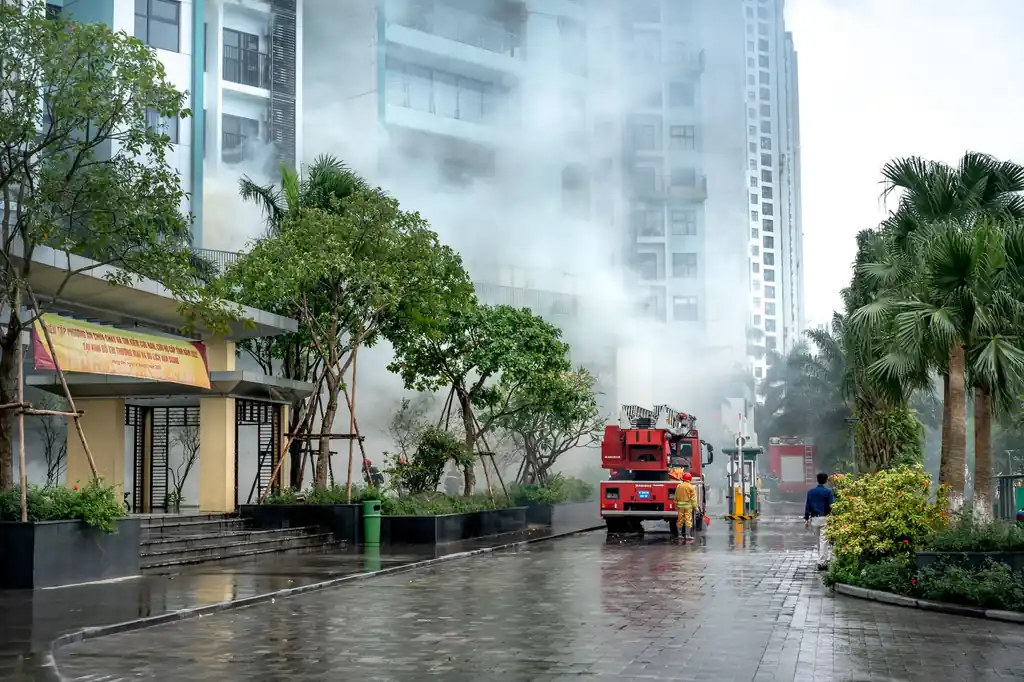
Restaurants, retail, and offices along Lake Worth Park of Commerce need fast turnaround to reopen. We extract and dry commercial spaces with equipment sized for large floor plates and odd hours to keep your business running.
View service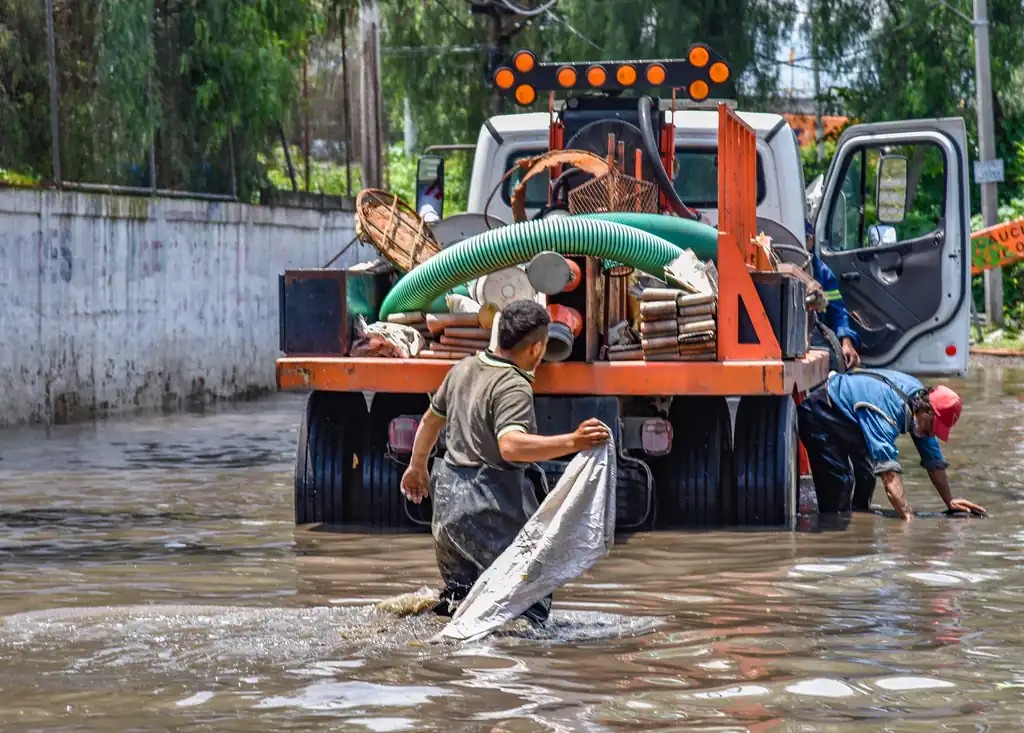
Storm flooding brings in silt and contaminants that change how we handle the job. Flood water removal in Lake Worth Beach includes extraction, antimicrobial treatment, and disposal of materials that cannot be saved.
View service
We answer the phone 24 hours a day, every day of the year. Call (561) 760-4158 and a technician will take your address, ask what happened, and dispatch a crew. Most Lake Worth Beach addresses see a truck within 60 to 90 minutes. If water is still running, shut the supply valve first, then call.