Focused arrival windows
Useful updates and clear arrival timing.
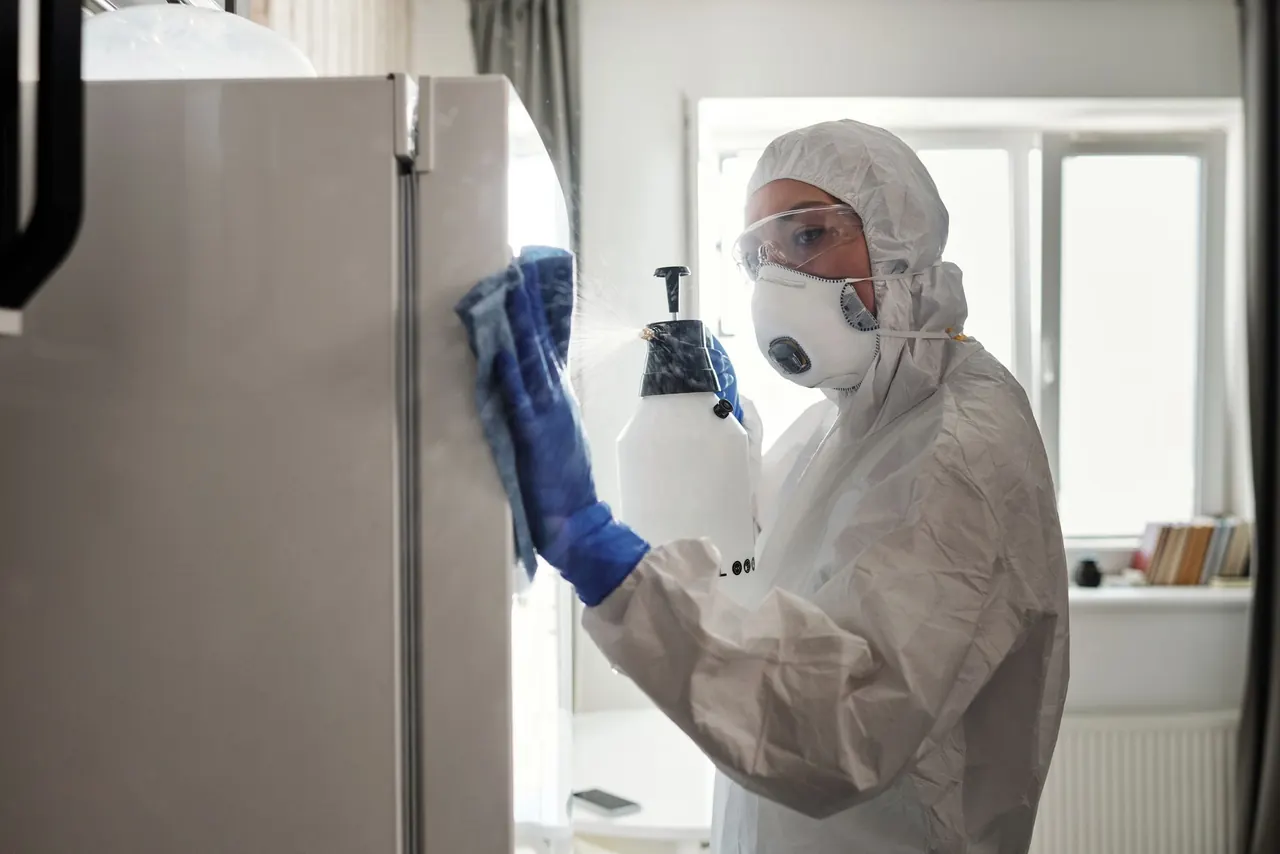
Crawl Space Water Removal in Lake Worth Beach is the fastest way to stop foundation rot, musty air, and insect swarms before they spread into your living space. We pull standing water, dry the joists and subfloor, and treat the area so your home stays dry through Florida's rainy season. If you've noticed a damp smell or sagging floors, call us today.
Useful updates and clear arrival timing.
Review the approach and price before deciding.
Equipped vehicles and respectful cleanup.
Neighbors serving neighbors with follow-through.
Every crawl space water removal job includes a full inspection, water extraction, structural drying, and a final moisture verification. We also check the vapor barrier and treat the space with an antimicrobial. Add-on services like vapor barrier replacement or plumbing repair are quoted separately if needed. You will know the full price before we start.
We crawl the entire space, use thermal imaging and penetrating meters to map moisture, and identify the water source. You get a written summary of findings and a clear plan before any work begins.
We use submersible pumps and wet vacuums to remove standing water from the crawl space. A typical 1,200 square foot space with two inches of water takes two to three hours to extract.
Commercial dehumidifiers and air movers run for 48 to 72 hours to dry joists, subfloor, and block walls. We monitor moisture daily and adjust equipment placement until readings hit dry standard.
After drying, we apply an EPA-registered antimicrobial to kill mold spores and bacteria. This is critical in Florida's humid climate, where mold can grow within 48 hours of a water event.
A damaged or missing vapor barrier is the leading cause of chronic crawl space moisture. We inspect the barrier and repair or replace torn sections. This simple step prevents future problems.
We take final moisture readings, photograph the dry space, and provide a written completion report. This documentation is accepted by Florida insurance carriers for water damage claims.
Share what is happening and receive a clear next step from the local team.
Crawl Space Water Removal in Lake Worth Beach is the process of extracting standing water from the void beneath your home, drying the wood structure, and treating the space to prevent mold and rot. It is not just pumping water out. We remove debris, check vapor barriers, run commercial dehumidifiers and air movers, and verify moisture levels with penetrating meters before we close up. Most homes here have 18 to 36 inches of clearance, so we use low-profile extraction wands and compact drying equipment built for tight access.
Local homeowners call us when a plumbing leak, heavy rain, or hurricane runoff leaves water sitting under the house. Lake Worth Beach sits at 10 to 15 feet above sea level with a high water table, so crawl spaces flood fast and dry slowly. If you search for crawl space water removal near me after a storm, you need a crew that knows how sandy soil and block foundations behave. We also handle burst pipe water damage cleanup and slab leak water damage cleanup when the source is inside the home.
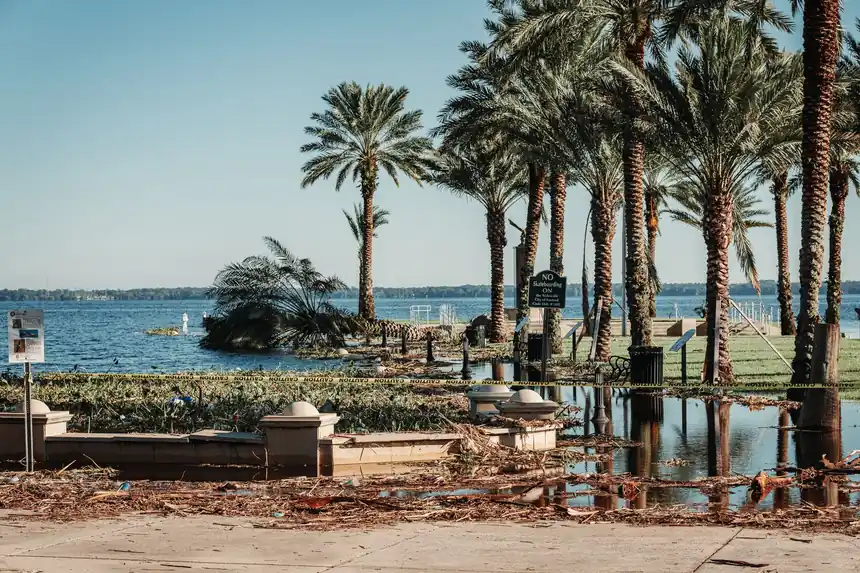
We arrive within 60 to 90 minutes of your call, suit up, and crawl the entire space. Using penetrating meters and thermal imaging, we map every wet zone and find the water source. You get a written summary of what we found and what it will take to fix it.
We run low-profile submersible pumps and wet vacuums to pull standing water out through the access hatch. A typical 1,200 square foot crawl space with 2 inches of water takes two to three hours to extract. We haul out soaked debris and bag it for disposal.
We position commercial dehumidifiers and axial air movers to dry joists, subfloor, and block walls. Depending on saturation, equipment runs 48 to 72 hours. We monitor moisture content daily and adjust placement until readings match dry standard.
Once the wood is dry, we apply an EPA-registered antimicrobial to kill mold spores and bacteria. We also inspect and repair the vapor barrier. A torn or missing barrier is the number one reason crawl spaces stay damp in Lake Worth Beach.
We take final moisture readings, photograph the dry space, and give you a completion report. You will know exactly what was wet, what we did, and what to watch for. We also recommend a maintenance check before hurricane season each year.
Designed for tight crawl spaces with 18 to 36 inches of clearance. These pumps remove standing water quickly and can run continuously for hours without clogging.
Low-grain refrigerant dehumidifiers pull moisture from the air and wood, even in Florida's humid climate. They are the workhorse of structural drying in crawl spaces.
High-velocity fans that circulate air across wet joists and subfloor. We position them to create a drying vortex that speeds evaporation and prevents mold growth.
These meters measure moisture content inside wood, not just on the surface. We use them to map wet zones and confirm when the structure is dry.
Infrared cameras reveal temperature differences caused by moisture. They help us find hidden leaks and wet areas behind walls and under floors without tearing anything out.
We apply these after drying to kill mold spores, bacteria, and fungi. They are safe for structural wood and effective in Florida's humid conditions.
We follow the IICRC S500 standard for water damage restoration, which sets the protocol for extraction, drying, and verification. This ensures every job is done to industry-recognized standards and documented properly.
We map every wet zone on day one and take daily readings until the structure is dry. This data-driven approach prevents premature equipment removal and ensures the job is done right.
We inspect the vapor barrier for tears, gaps, and proper coverage. A compromised barrier is the leading cause of chronic crawl space moisture in Lake Worth Beach, so we repair or replace it as needed.
When mold is present, we set up containment to prevent spores from spreading into the living space. Negative air pressure keeps the work area isolated while we remediate.
We extract the water from both the laundry room and the crawl space, dry the subfloor and joists, and treat the area with antimicrobial. We also check the supply lines and drain pan for future prevention. Your laundry room and crawl space are dry within three days, and you avoid mold growth and floor damage.
We pump out the standing water, remove any debris, and dry the crawl space. We also inspect the vapor barrier and recommend regrading or a French drain to stop repeat flooding. The crawl space is dry, and you have a plan to prevent the next storm from causing the same problem.
We detect the leak with thermal imaging, extract the water, and dry the structure. We coordinate with a licensed plumber to repair the slab line, then verify the space is dry. The leak is fixed, the crawl space is dry, and your floors return to normal without mold or warping.
We inspect the crawl space, find the water source, and extract it. We dry the joists and subfloor, treat the space with antimicrobial, and repair the vapor barrier if needed. The smell is gone, the structure is dry, and you have documentation for your insurance claim if the damage is covered.
Lake Worth Beach sits at 10 to 15 feet above sea level with a high water table, sandy soil, and a humid subtropical climate. That combination means crawl spaces here flood easily and dry slowly. Most homes in the Historic District and Parrot Cove have block foundations with original wood joists, which wick moisture and stay damp for weeks without mechanical drying. We use low-profile equipment designed for 18 to 36 inch clearances, and we run dehumidifiers longer than we would in drier climates. After heavy summer rain or a hurricane, we often find that the vapor barrier has failed, allowing ground moisture to rise into the structure. Our local experience means we know which neighborhoods flood first and how to dry them fast. If you need crawl space water removal near me in Lake Worth Beach, we are already nearby.
Many homes here are 1920s bungalows with original wood framing and shallow crawl spaces. We use compact equipment and extra care to dry without damaging historic details.
This neighborhood sits close to the Intracoastal, so the water table is high. Crawl spaces here flood after heavy rain and need fast extraction to prevent rot.
A mix of older and newer homes with varying foundation types. We see a lot of block foundations with failing vapor barriers, which we repair during the drying process.
Waterfront properties here are prone to storm surge and flooding. We prioritize these homes after hurricanes and use extra sanitizing steps for floodwater contamination.
Newer construction with tighter crawl spaces. We use low-profile extraction wands and compact dehumidifiers to work in these tighter clearances.
Water does not drain away quickly, so it sits against the foundation and joists. We extract it fast and run dehumidifiers longer to compensate for the slow natural drainage.
Average humidity stays above 70 percent for much of the year. We size dehumidifiers larger and run them longer to pull moisture below 50 percent and keep it there.
From June through November, heavy rain can flood crawl spaces repeatedly. We recommend annual inspections before hurricane season and offer priority response after storms.
Historic homes in the area have wood joists that absorb water like a sponge. We dry them slowly and carefully to prevent warping and preserve structural integrity.
A washing machine hose burst and sent water through the floor into the crawl space. The area had 3 inches of standing water, and the joists were saturated. The homeowner noticed a musty smell within two days.
We extracted the water in three hours, ran dehumidifiers for 72 hours, and treated the space with antimicrobial. Final moisture readings showed the wood was dry. The musty smell was gone, and the homeowner avoided mold remediation.
Maintenance: We installed braided stainless steel supply lines and recommended a moisture check every six months. The homeowner now checks the crawl space after heavy rain.
Three inches of rain in two hours overwhelmed the drainage and flooded the crawl space under a 1950s block home. The vapor barrier was torn, and water was wicking up the foundation walls.
We pumped out 1,200 gallons, removed the damaged vapor barrier, dried the structure for four days, and installed a new 6-mil barrier. Moisture readings returned to normal, and the home stayed dry through the next storm.
Maintenance: We recommended regrading the yard away from the foundation and cleaning gutters before hurricane season. The new vapor barrier should last 10 to 15 years.
A slab leak sent water up through the floor and into the crawl space of a 1940s bungalow. The wood subfloor was wet, and the floors felt soft underfoot. The homeowner had not noticed any visible leak.
We detected the leak with thermal imaging, extracted the water, and dried the subfloor and joists over three days. A licensed plumber repaired the slab line. Final readings confirmed the structure was dry, and the floors firmed up.
Maintenance: We recommended a pressure test on the plumbing system every two years and a crawl space moisture check annually. The homeowner now has a moisture barrier and a dehumidifier for extra protection.
Water under your home creates a chain reaction: rot, mold, pests, and high humidity. We break that chain with fast extraction and thorough drying. These are the problems we hear about most from Lake Worth Beach homeowners.
That earthy smell is mold and bacteria growing in the crawl space. It circulates through your home and can trigger allergies and asthma. Ignoring it lets the mold spread into ducts and wall cavities. We extract the water, dry the wood, and treat the space with an antimicrobial. Once the source is dry, the odor disappears. We also check for air leaks between the crawl space and living area to stop future smells.
Wet joists and subfloor lose strength. Over time, floors sag and squeak, and in severe cases the structure becomes unsafe. This is common in older Lake Worth Beach bungalows with original wood framing. We dry the structural wood to its pre-loss moisture content, restoring strength. If any joists are compromised, we document the damage and recommend a licensed contractor for repair. Early drying prevents the need for major structural work.
A damp crawl space adds moisture to the air your AC has to cool. Your system runs longer, and your electric bill climbs. This is especially noticeable from June through September in Florida. We use commercial dehumidifiers to pull humidity below 50 percent. Once the space is dry, your AC works less. Many customers see a measurable drop in their summer power bills after we finish.
Termites, cockroaches, and rodents thrive in damp crawl spaces. Water damage softens wood, making it easy for pests to tunnel in. An infestation can spread to the living space and cause costly damage. We remove the water and dry the space, making it inhospitable to pests. We also identify entry points and recommend sealing. If you have an active infestation, we coordinate with a licensed pest control operator.
$450 - $1,800 depending on scope
Typical 2026 pricing for crawl space water removal in Lake Worth Beach ranges from $450 to $1,800. The low end covers a small space with minor seepage and no mold. The high end covers a flooded 1,500 square foot crawl space with saturated joists, damaged vapor barrier, and antimicrobial treatment. We provide a written price before we start, and we bill insurance directly when the loss is covered. There are no hidden fees for nights, weekends, or holidays.
This price covers extraction, drying, antimicrobial treatment, and a written completion report. It prevents mold remediation, which can cost $3,000 to $8,000, and protects your foundation from expensive structural repairs. Fast action saves money.
A larger space holds more water and takes longer to dry. A 600 square foot crawl space might take two days, while a 1,500 square foot space can take four. We measure on site and price accordingly.
Clean water from a supply line is easier to handle than floodwater contaminated with silt and bacteria. Contaminated water requires extra extraction, disposal, and sanitizing, which adds to the cost.
If mold is already growing, we need to set up containment, remove affected material, and treat the space. This adds time and materials. Early extraction prevents mold and keeps costs down.
A torn or missing vapor barrier lets ground moisture rise into the crawl space. If we need to repair or replace it, that is an additional cost. A new barrier is a long-term investment that prevents repeat problems.
Some crawl spaces have tight access hatches or obstructions that slow down equipment placement. We handle these challenges, but they can add labor time. We assess access during the initial inspection.
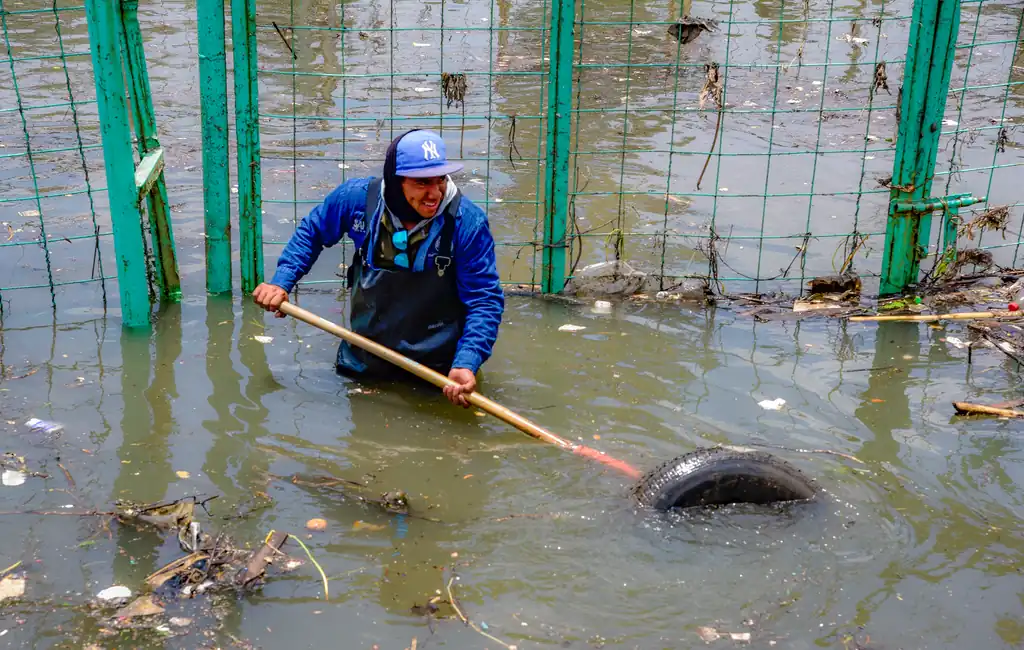
Our technicians are trained in IICRC water damage restoration standards and carry state-licensed credentials for mold assessment and remediation. We have crawled thousands of Lake Worth Beach homes, from 1920s bungalows in the Historic District to newer builds west of Congress Avenue. We know how sandy soil drains, how block foundations wick moisture, and how Florida humidity changes the drying equation. Every job uses commercial-grade equipment and documented moisture readings, not guesswork.
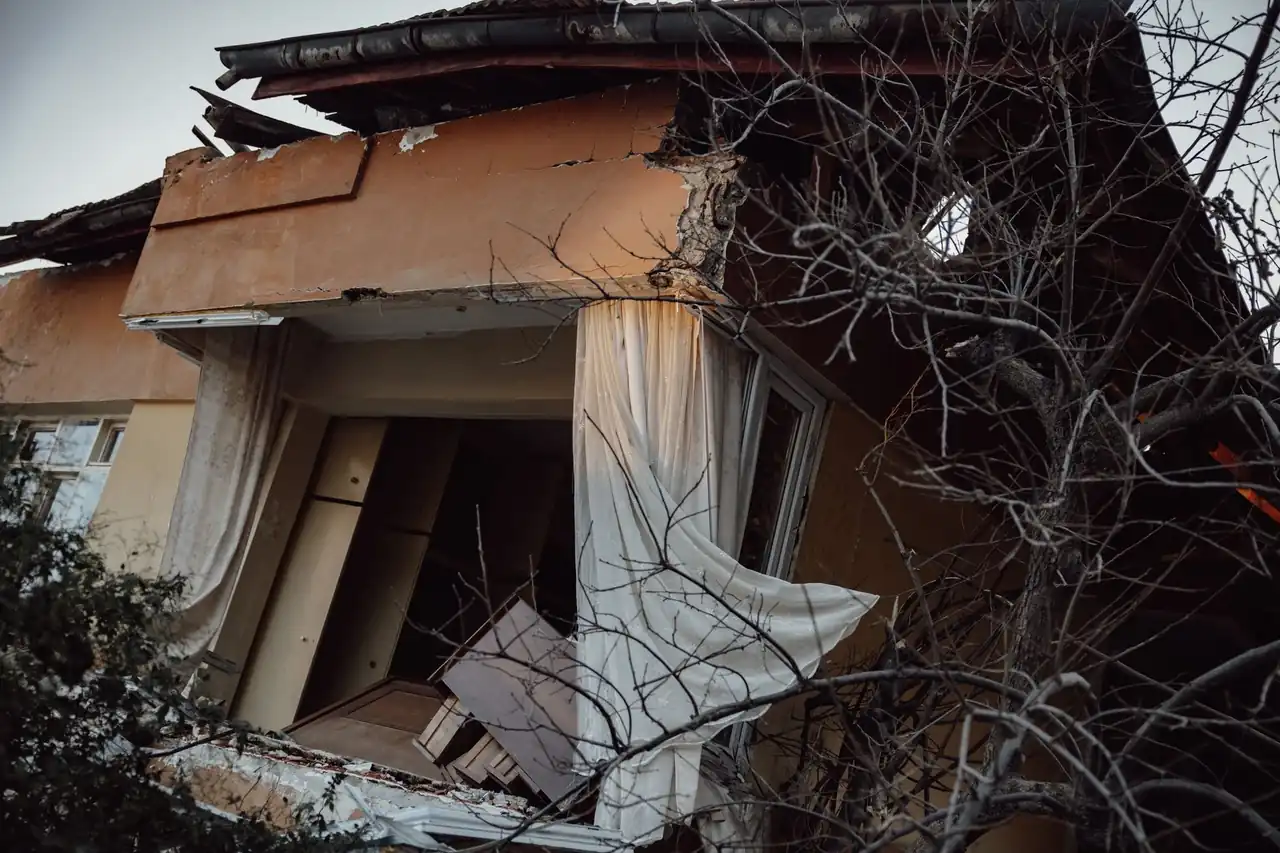
Our washing machine hose burst and flooded the crawl space. I called at 7 a.m. and the crew was here by 8:15. They pumped out about three inches of water, set up dehumidifiers, and had everything dry in three days. The musty smell in our hallway is gone. They also showed me the moisture readings before and after.
After Hurricane season, we had standing water under the house. The team from Lake Worth Beach Water Damage extracted it, removed the soaked insulation, and treated the whole space. They documented everything for our insurance claim. The adjuster accepted their report without question. I would use them again without hesitation.
I manage six rental units in the Historic District, and crawl space moisture is a constant battle. This crew handles all of them. They are fast, professional, and always send photos and moisture readings. One unit had a slab leak that flooded the crawl space. They dried it out and coordinated with a plumber to fix the line. No mold, no complaints from tenants.
Most crawl space water removal jobs in Lake Worth Beach run $450 to $1,800 in 2026, depending on water volume, square footage, and whether mold treatment is needed. A small space with minor seepage sits at the low end. A flooded 1,500 square foot crawl space with saturated joists and a damaged vapor barrier lands at the high end. We quote the exact price before we start.
Extraction takes two to four hours, and structural drying runs 48 to 72 hours. Total time from call to dry space is usually three to five days. If the wood is heavily saturated or the vapor barrier is missing, it can stretch to five days. We monitor moisture daily and do not pull equipment until readings hit dry standard.
No. Water under a Lake Worth Beach home does not drain away quickly because the soil is sandy and the water table is high. It sits against your foundation and joists, causing rot and mold within 48 hours. Even if the surface looks dry, the wood stays wet for weeks. Extraction and mechanical drying are the only reliable fix.
Most Florida policies cover sudden and accidental water damage, like a burst pipe or appliance failure, which includes crawl space extraction and drying. Flood damage from storms usually requires separate flood insurance. We document everything with photos and moisture readings, then bill your carrier directly so you only pay your deductible.
Not seeing your question? Our local team can help you understand urgency, scheduling and what to expect.
Ask the local team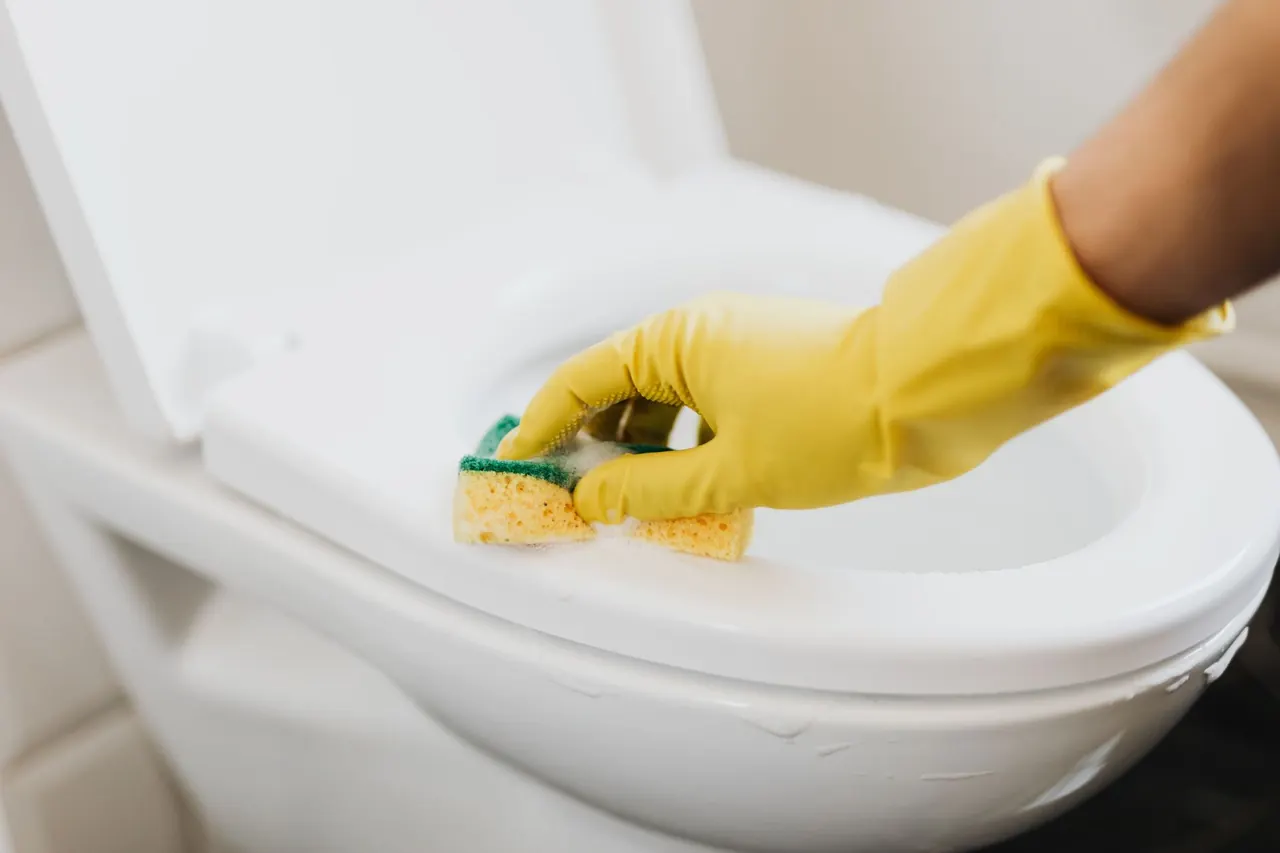
When a pipe bursts at 2 a.m., our emergency crew responds within 60 to 90 minutes. We stop the water, extract it, and start drying immediately. Crawl space water removal is often the first step in a larger restoration job for Lake Worth Beach homes.
View service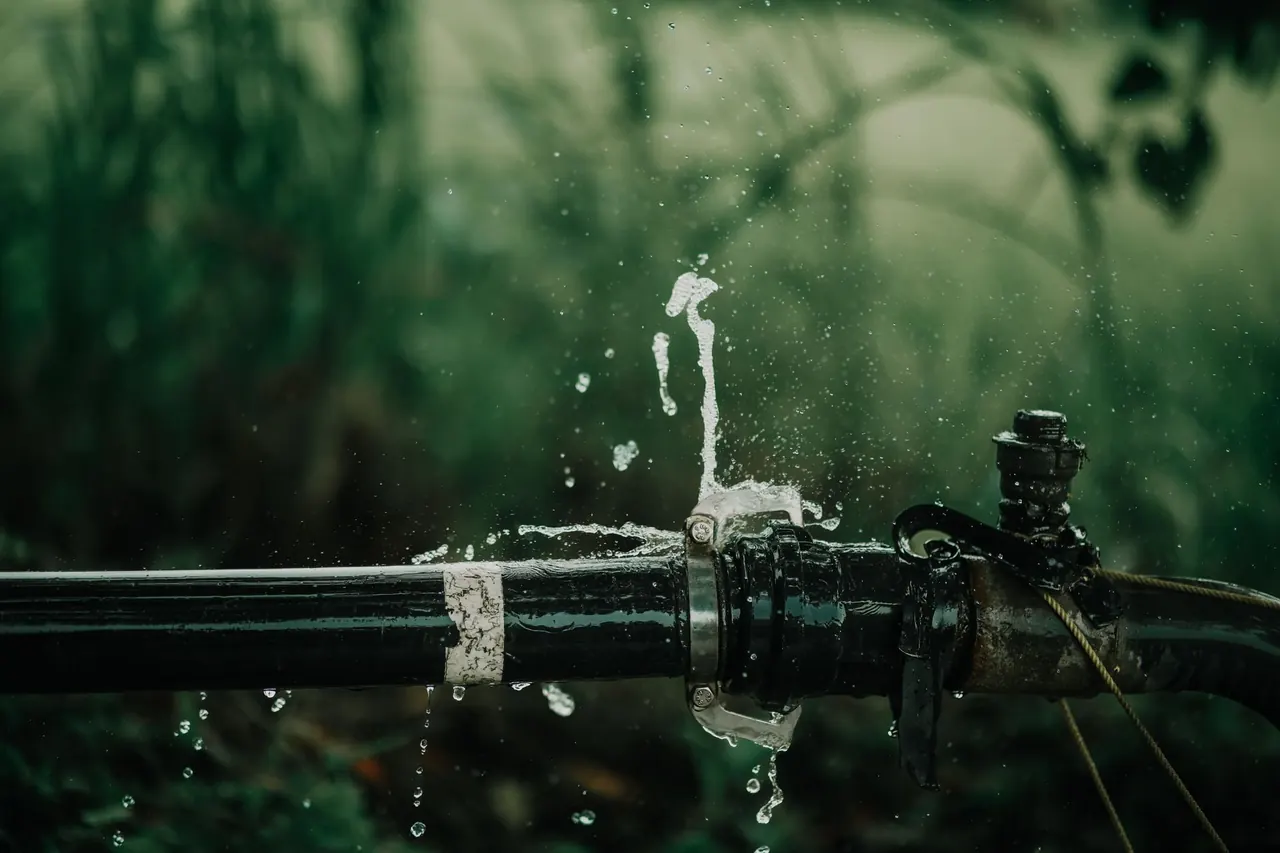
From bungalows in the Historic District to newer builds in Sunset Ridge, we restore homes after leaks, storms, and appliance failures. Crawl space water removal protects the structure from below while we dry the living space above.
View serviceBusinesses near Lake Worth Park of Commerce need fast water removal to reopen. We handle crawl spaces under commercial buildings, extract water, and dry the structure so you can get back to work without a long shutdown.
View service
Standing water spreads fast. Our truck-mounted and portable extraction units pull hundreds of gallons per hour from crawl spaces, basements, and slab foundations. We deploy the same day you call, seven days a week.
View service
We answer the phone 24 hours a day, every day of the year. Call (561) 760-4158 and a technician will take your address, ask what happened, and dispatch a crew. Most Lake Worth Beach addresses see a truck within 60 to 90 minutes. If water is still running, shut the supply valve first, then call.