Focused arrival windows
Useful updates and clear arrival timing.
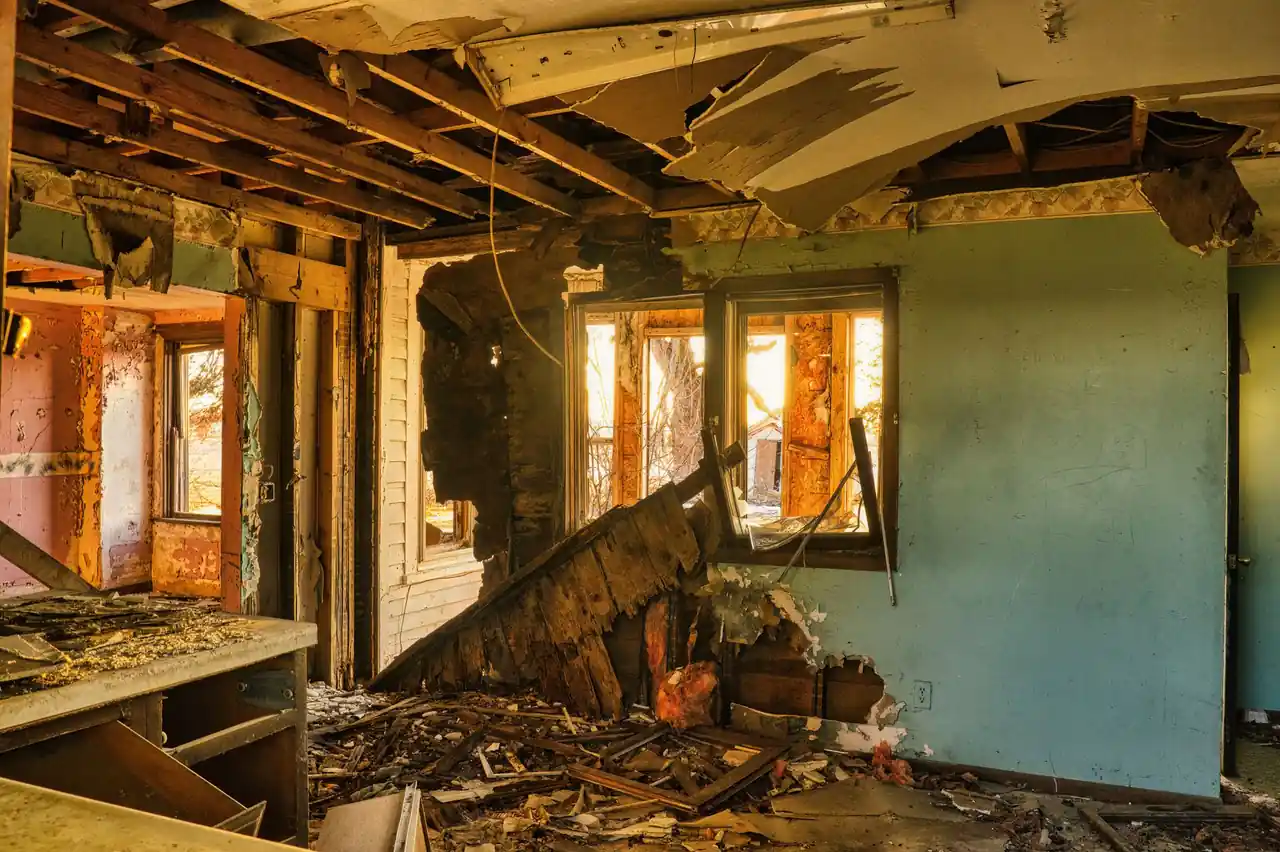
When a hurricane pushes water into your Lake Worth Beach home, every hour counts. Our Hurricane Water Damage Cleanup in Lake Worth Beach starts with emergency water extraction and flood water removal, then moves into structural drying before mold can take hold. We work across Florida's coastal neighborhoods where storm surge and wind-driven rain hit hardest. Call (561) 760-4158 and we'll be on the way.
Useful updates and clear arrival timing.
Review the approach and price before deciding.
Equipped vehicles and respectful cleanup.
Neighbors serving neighbors with follow-through.
Every storm job is different, but the core scope is consistent. Here's what's included when you hire us for hurricane water damage cleanup in Lake Worth Beach, and what falls outside the drying scope.
Truck-mounted extractors remove standing water from carpet, tile, and hardwood. We use weighted heads for deep saturation and submersible pumps for larger volumes. A typical home takes 2 to 4 hours to extract.
We use thermal imaging and pin meters to map every wet zone. You get a written scope with photos and readings before equipment is placed. This documentation goes to your insurance adjuster.
Commercial dehumidifiers and air movers are placed to dry walls, ceilings, subfloors, and cavities. We size equipment to the cubic footage of the affected area and monitor daily until moisture targets are met.
Storm water is category 3 contaminated. After extraction and removal of unsalvageable materials, we apply EPA-registered antimicrobials to affected surfaces. This prevents mold growth during the drying process.
We check moisture readings every 24 hours and adjust equipment as needed. When the structure is dry, you get a completion report with daily logs, photos, and final readings for your insurer.
Share what is happening and receive a clear next step from the local team.
Hurricane Water Damage Cleanup in Lake Worth Beach is the process of removing storm-driven water from a home or business, then drying the structure and contents to prevent secondary damage. It starts with an emergency call, a moisture assessment, and truck-mounted extraction. From there we set up commercial dehumidifiers and air movers, monitor daily, and document everything for your insurance claim. The work covers standing water removal, wet carpet drying, subfloor drying, and wall cavity drying after roof leaks or storm surge.
In Lake Worth Beach, hurricanes bring two problems at once: wind damage that opens roofs and windows, and storm surge that pushes water through doors and slab penetrations. Homes near Bryant Park and the Intracoastal take on water fast because the water table is already high. If you've searched for hurricane water damage cleanup near me after a named storm, you know the clock is ticking. Mold can begin colonizing wet drywall in 24 to 48 hours, so the first day matters more than the next two weeks.

You call (561) 760-4158 and describe what happened: roof leak, surge flooding, or burst pipe after the storm. We ask about water depth, flooring type, and whether power is safe. A crew is dispatched with extraction and drying equipment loaded.
On arrival we walk the property with thermal imaging and pin-type moisture meters. We map wet zones on walls, ceilings, and floors, then mark them with tape. You get a written scope before any equipment is placed, so there are no surprises on the invoice.
Truck-mounted extractors pull standing water from carpet, hardwood, and tile. For deep subfloor saturation we use weighted extraction heads and floor mats. A typical 1,200 sq ft home with 1 inch of water takes 2 to 4 hours to extract.
We set commercial dehumidifiers and axial air movers to dry walls, ceilings, and subfloors. Drying mats go under hardwood. Wall cavities get injection drying where needed. Equipment runs 24/7 and we check readings every day.
When moisture readings match dry-standard baselines, we remove equipment and take final photos. You get a completion report with daily logs for your insurer. We also flag any repairs, like drywall or baseboard replacement, that fall outside the drying scope.
Pull large volumes of standing water from carpet and hard floors. These units generate strong suction and are the first tool on every storm job.
Find hidden moisture behind walls, under floors, and in ceilings without tearing anything out. We use them during assessment and final verification.
Measure moisture content in drywall, framing, and subfloor. We use calibrated meters and target under 16% in framing and under 12% in drywall.
Pull moisture out of the air so wet materials can release their water. We size units to the cubic footage of the affected area and run them 24/7.
Create high-velocity airflow across wet surfaces to speed evaporation. Placement matters, so we map airflow patterns before setting them.
Pull moisture out of hardwood floors and subfloor without removing the boards. Mats are connected to the dehumidifier and run until readings are dry.
Remove standing water from areas extractors can't reach, like crawl spaces and deep flooding. Used when water depth exceeds what a wand can handle.
We follow the IICRC S500 standard for water damage restoration. It defines water categories, drying goals, and documentation requirements. Following it means your job is done to an industry-recognized benchmark, which insurers recognize.
We track temperature, humidity, and dew point to determine drying progress. This tells us when to adjust equipment and when the structure is actually dry. It's how we dry to a number, not a feeling.
For wet wall cavities, we drill small holes and inject dry air directly into the cavity. This dries the back of the drywall and the framing without removing the wall. It saves time and avoids unnecessary demolition.
After extraction and removal of contaminated materials, we apply EPA-registered antimicrobials to affected surfaces. This prevents mold growth during the drying process and protects your indoor air quality.
We log moisture readings, equipment placement, and photos every 24 hours. You and your adjuster get a complete record of the drying process. This documentation is what moves insurance claims forward.
We extract the water, remove contaminated baseboards and carpet, apply antimicrobials, and set drying equipment. We document everything for your flood insurance claim and monitor daily until the structure is dry. Your home is dry in 3 to 5 days, mold is prevented, and your claim has the documentation it needs to move forward.
We extract water from the ceiling and wall, use injection drying for the wall cavity, and set air movers and dehumidifiers. We flag the roof damage so your roofer can repair it before the next storm. Ceiling and wall dry without sagging or mold, and you have a clear record of the damage for insurance.
We shut off the water, extract from the garage and hallway, and dry the concrete and drywall. If the tank needs replacement, we coordinate with a licensed plumber. Water is gone, the area is dry, and you're back to normal without a mold problem in the garage.
We extract the carpet, lift it to dry the pad, and set drying equipment. If the pad is contaminated, we remove and replace it. We monitor moisture daily until readings are dry. Carpet is saved when possible, subfloor is dry, and you avoid replacement costs.
Lake Worth Beach sits right on the coast, so hurricanes hit us with both wind and water. Storm surge pushes through low-lying areas near Bryant Park and the Intracoastal, while wind-driven rain finds every roof penetration and window seal. The housing stock ranges from 1920s wood-frame bungalows in the Historic District to concrete-block ranches in Tropical Ridge. Older homes have crawl spaces and original plumbing that fail under pressure. Newer homes have tighter envelopes but still take on water through slab penetrations. We know how local building codes affect repairs and how Florida's humidity slows drying if equipment isn't sized right. When you need emergency hurricane water damage cleanup near me in Lake Worth Beach, we're staged and ready before the storm passes.
Low elevation near the Intracoastal means storm surge reaches these streets first. We stage equipment nearby before landfall.
1920s wood-frame homes with crawl spaces. Water wicks into original subfloors and framing that needs careful drying.
Concrete-block homes with slab-on-grade construction. Water travels through slab penetrations and wicks up into flooring.
Surrounded by water on three sides. Storm surge is the primary threat, and access can be limited after a storm.
Mix of older and newer homes. Roof leaks and window intrusion are common during wind-driven rain events.
Water doesn't drain away after a storm. It sits in the soil and keeps subfloors wet longer, so drying takes more equipment and more time.
Original galvanized and cast iron pipes crack under pressure changes. We check for plumbing leaks during every storm assessment.
Ambient humidity slows drying if dehumidifiers aren't sized correctly. We oversize equipment to compensate and monitor daily.
Crawl spaces trap moisture and slow drying from below. We set dehumidifiers in the crawl space to dry joists and subfloor.
A hurricane pushed 2 inches of water into a 1,400 sq ft home. Carpet, baseboards, and lower drywall were saturated. Humidity inside was 78% and rising. The homeowner called us the morning after the storm.
We extracted the water in 3 hours, removed contaminated baseboards, applied antimicrobials, and set 6 air movers and 2 dehumidifiers. The structure was dry in 4 days. Final readings showed 11% moisture in drywall and 14% in framing.
Maintenance: Keep gutters clear, check door seals before storm season, and store valuables above the 2-foot flood line. If you see water again, call us immediately.
Wind peeled back shingles and water ran down into a bedroom ceiling and wall. The ceiling was sagging and paint was peeling. Moisture readings in the drywall were above 30%.
We extracted water, used injection drying for the wall cavity, and set air movers and a dehumidifier. The ceiling and wall dried in 3 days without demolition. Final readings were under 12% in drywall.
Maintenance: Have your roof inspected after every named storm. Fix loose shingles before the next one. Keep the bedroom door open during drying to improve airflow.
A water heater failed after a storm, dumping 40 gallons into a garage and hallway. The concrete was wet and drywall was saturated 12 inches up. The homeowner didn't notice for a day.
We extracted the water, dried the concrete and drywall, and documented the damage. The area was dry in 2 days. We coordinated with a licensed plumber to replace the tank.
Maintenance: Flush your water heater annually to remove sediment. Check the tank and supply lines after any storm. If you see rust or moisture, call us before it fails.
Hurricane water damage rarely shows up in one place. It spreads through walls, under floors, and into spaces you can't see. Here's what we fix.
Water keeps humidity high, warps flooring, and starts mold growth within 48 hours. Every hour it sits, the damage spreads further into walls and subfloor. We extract standing water with truck-mounted units and submersible pumps, then set dehumidifiers to pull moisture from the air. The goal is to get the structure drying within hours of arrival, not days.
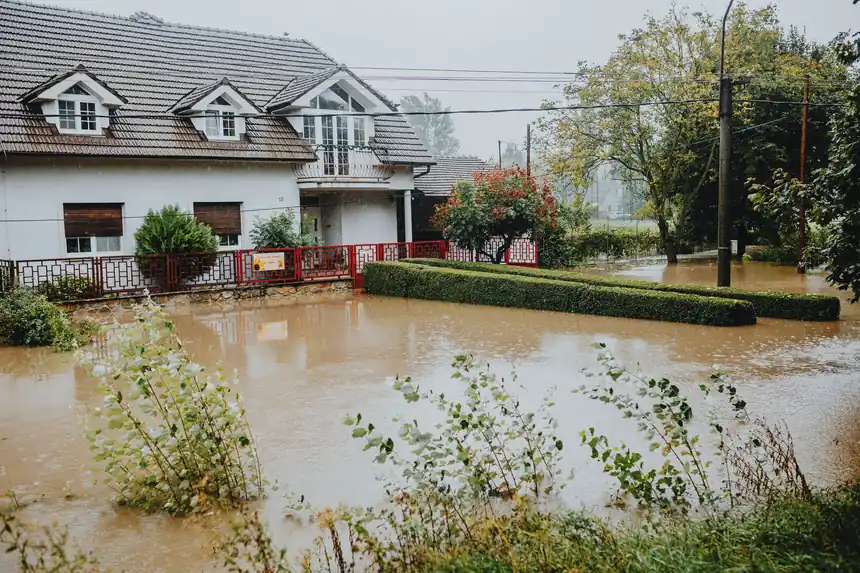
Wind-driven rain enters through damaged shingles and penetrations, soaking insulation and drywall. Ceilings sag, paint peels, and mold grows in the attic and wall cavities. We locate the leak path with thermal imaging, extract water from ceilings and walls, and use injection drying for wall cavities. We document the path so your roofer can make the repair.
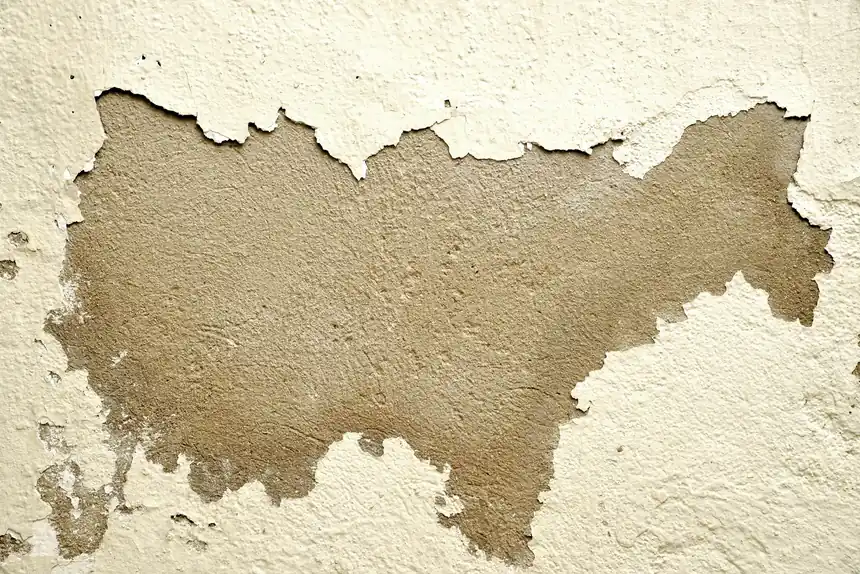
Carpet holds water and keeps the subfloor wet underneath. If it's contaminated storm water, it becomes a health hazard. Even clean water carpet can mold if it stays wet past 48 hours. We extract with weighted heads, lift carpet to dry the pad, and replace pad if contaminated. When carpet can be saved, we dry it in place with air movers and dehumidifiers.
Water wicks into subfloor and framing where you can't see it. It warps hardwood, loosens tile, and feeds mold inside walls. By the time you notice, the damage is already done. We use penetrating meters and thermal cameras to find hidden moisture. Then we dry with floor mats, injection drying, and directed airflow. We verify with readings before we call it dry.
$2,800 - $7,500 depending on scope
Typical 2026 pricing in Lake Worth Beach runs $2,800 to $7,500 for a residential storm water job, depending on water category, affected square footage, and drying time. Category 3 storm water costs more because contaminated materials must be removed. Most homeowners pay a deductible and insurance covers the rest. We provide a written scope before we start so you know what's covered.
Proper drying the first time costs less than mold remediation and structural repairs later. We dry to measured targets and document everything, so your insurance claim moves forward without delays.
Category 1 is clean water from a supply line. Category 3 is contaminated storm water or sewage. Category 3 jobs cost more because we must remove porous materials and apply antimicrobials.
The more area that's wet, the more equipment and time it takes. A single room costs less than a whole floor. We measure affected square footage during the assessment.
Most jobs dry in 3 to 5 days. If subfloor or wall cavities are saturated, it can take 7 days. Each additional day means more monitoring and equipment rental.
Carpet, pad, and baseboards that can't be saved must be removed and disposed of. This adds labor and disposal fees. We document what's removed for your insurance claim.
Furniture, appliances, and tight spaces slow extraction and drying. If we need to move contents or work in a crawl space, it adds time and labor to the job.
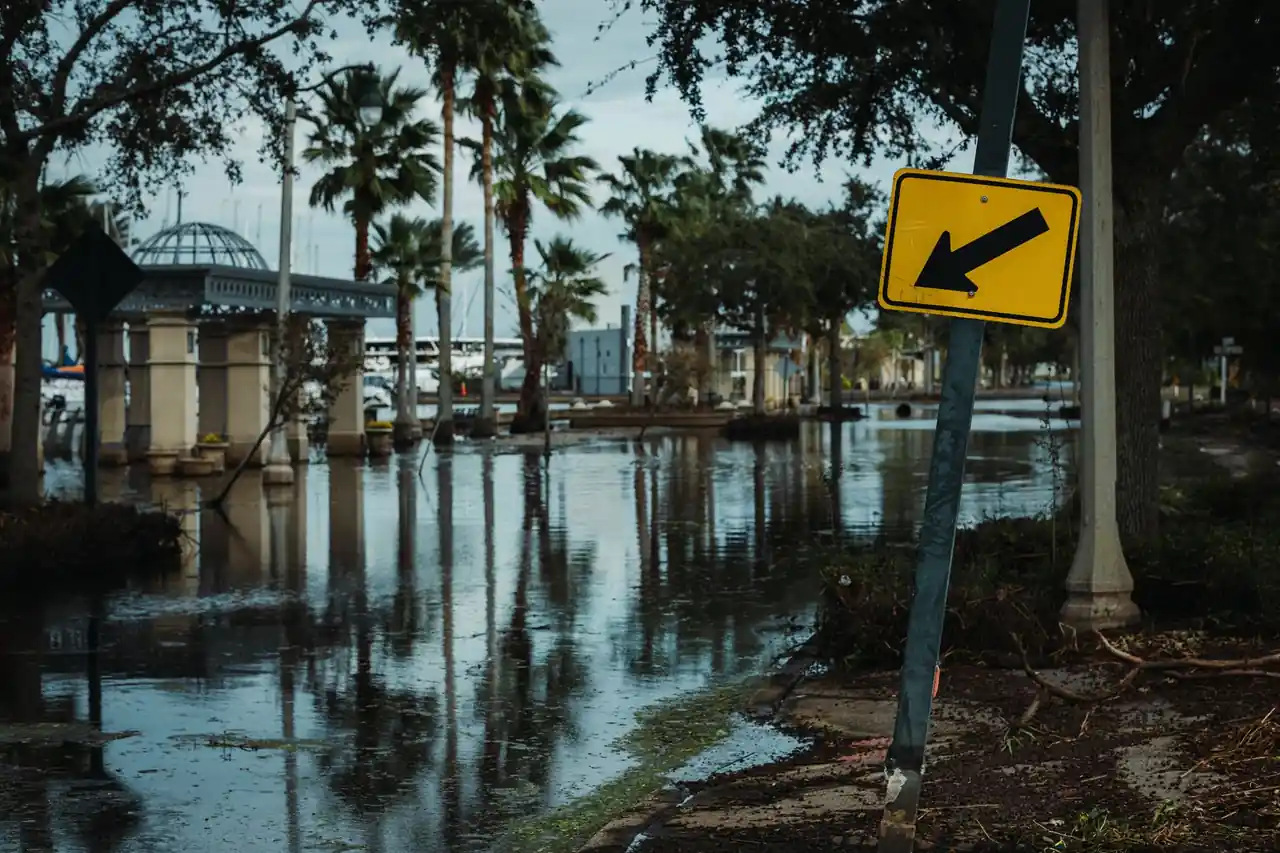
Our technicians are trained in IICRC water damage restoration standards and have worked storm events across Palm Beach County. We've dried everything from 1920s wood-frame bungalows in the Historic District to concrete-block ranches in Tropical Ridge. We know how Lake Worth Beach homes are built, where water hides, and how local building codes affect repairs. When a named storm hits, we stage equipment before landfall so we can start extraction the moment it's safe to roll.
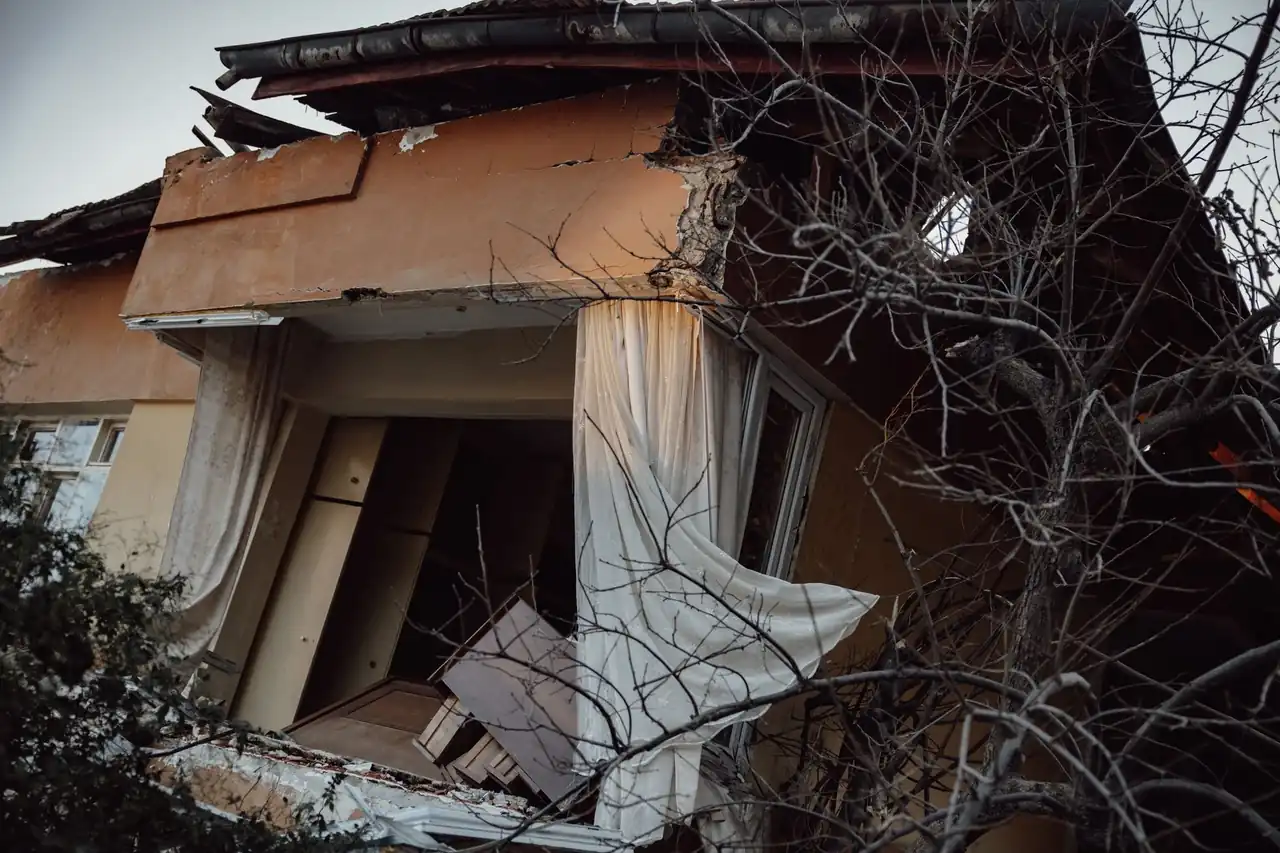
Hurricane came through and pushed water right into our living room. These guys were here the next morning with extractors and dehumidifiers. They showed me the moisture readings every day and explained what they were doing. Carpet was saved, walls dried out, and the insurance paperwork was handled. Couldn't ask for more.
Roof leak during the storm soaked our ceiling and one wall. We called and they came out same day. They set up drying equipment and checked it every morning. The ceiling didn't sag and no mold showed up. They also flagged that the roof needed repair, which our roofer handled. Straight shooters.
We manage several rentals near the Historic District. After the last storm, three units had water. The crew extracted, dried, and documented everything for our insurance. They kept us updated daily and finished in four days. Having one company handle it all made a stressful week much easier.
Typical 2026 pricing in this area runs $2,800 to $7,500 for a 1,200 to 2,000 sq ft home, depending on water category, affected square footage, and how many days drying takes. Category 3 storm water costs more because porous materials must be removed. Most homeowners pay a deductible and their insurance covers the rest.
Extraction takes 2 to 4 hours for a typical home. Structural drying runs 3 to 5 days with daily monitoring. If subfloor or wall cavities are saturated, it can stretch to 7 days. We give you a day-by-day schedule after the initial assessment so you know when equipment comes out.
In most cases yes, if the affected area is contained and power is safe. If sewage-contaminated water is present or drying equipment creates unsafe conditions, we'll tell you. We work with you on placement so you can stay in unaffected rooms whenever possible.
We bill most major carriers directly and provide the documentation they need: moisture maps, daily logs, photos, and equipment records. You're responsible for your deductible. We send you copies of everything so you can follow the claim. Call (561) 760-4158 and we'll walk you through it.
Not seeing your question? Our local team can help you understand urgency, scheduling and what to expect.
Ask the local team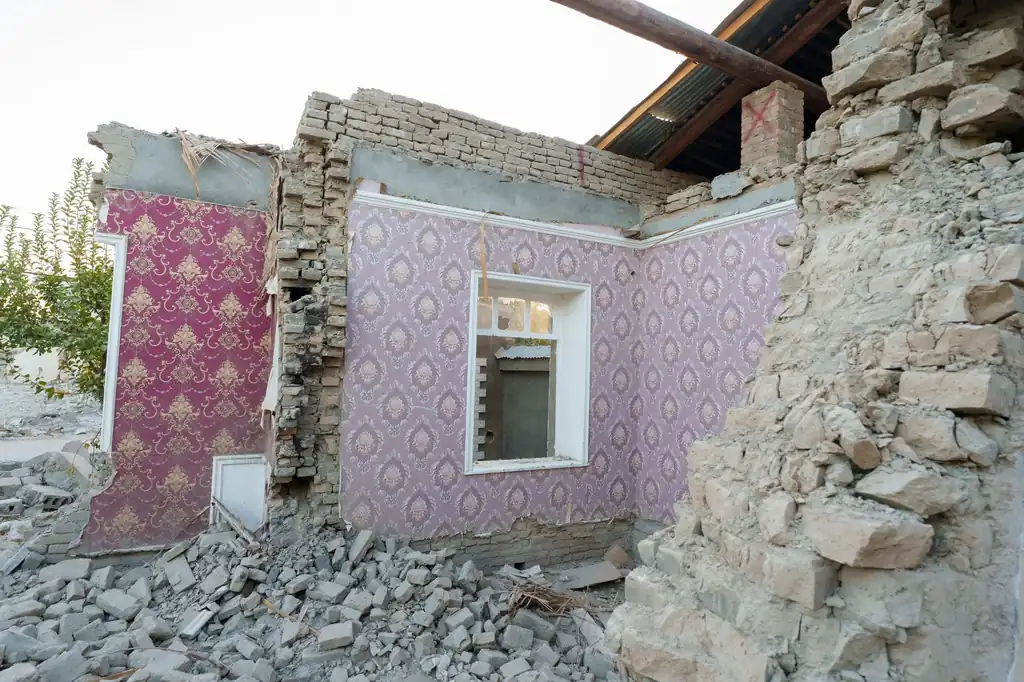
When a hurricane leaves standing water in your Lake Worth Beach home, emergency water damage restoration is the first phase. We extract, dry, and document before mold sets in. This is the service you call at 2 a.m. when water is still rising.
View service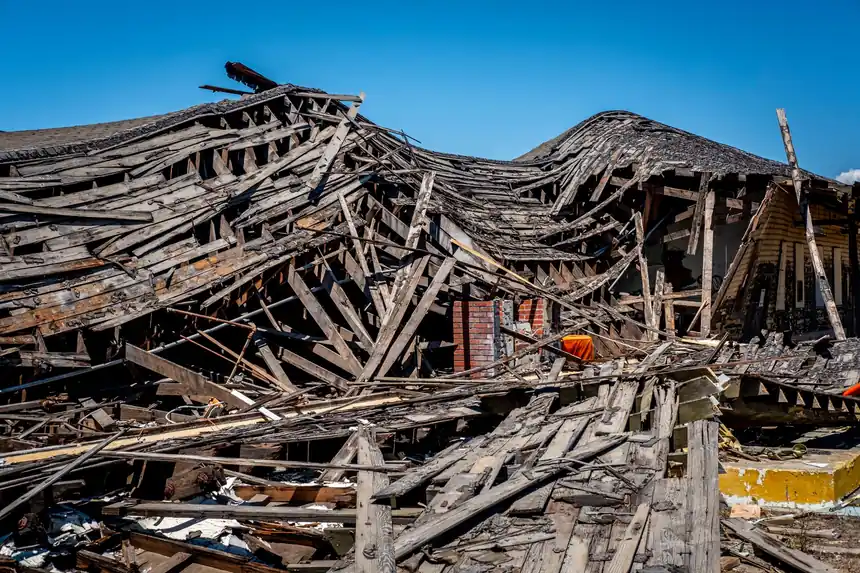
Most hurricane cleanup in Lake Worth Beach happens in single-family homes and duplexes. We handle wet carpet, hardwood, drywall, and subfloors. If your house took on storm water, this is the full-scope service that gets it dry and documented.
View service
Storm water doesn't spare businesses. We dry retail spaces, restaurants, and offices along Lake Worth Road and the Park of Commerce. Fast drying keeps you open and limits lost revenue after a hurricane.
View service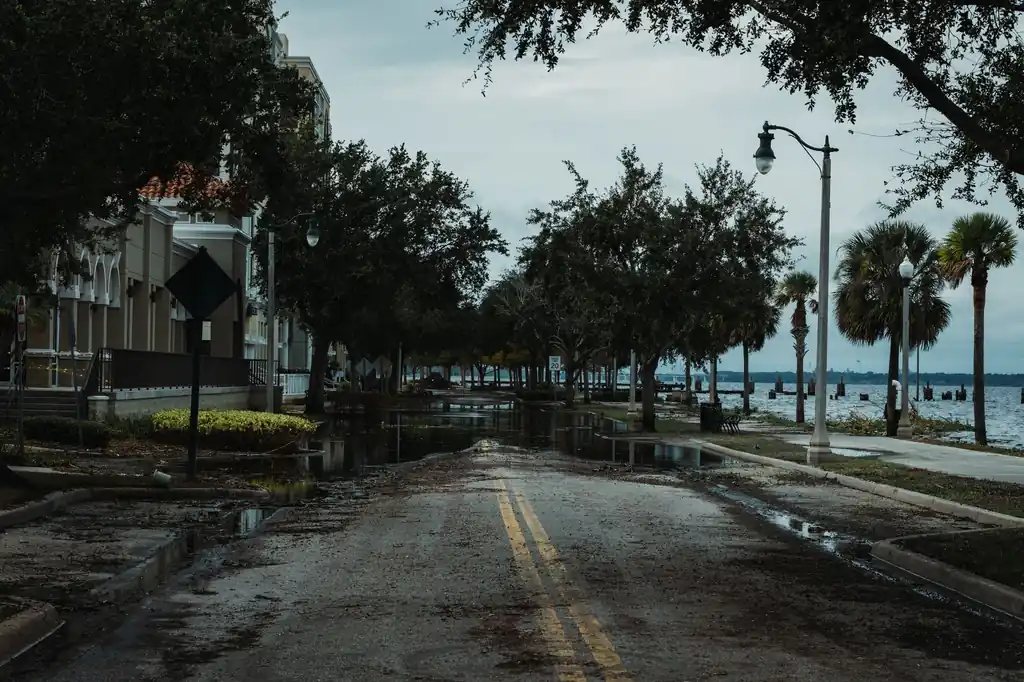
Truck-mounted extractors pull standing water from carpet, tile, and hardwood. After a hurricane, this is the first physical step. A typical 1,200 sq ft home with an inch of water takes 2 to 4 hours to extract.
View service
We answer the phone 24 hours a day, every day of the year. Call (561) 760-4158 and a technician will take your address, ask what happened, and dispatch a crew. Most Lake Worth Beach addresses see a truck within 60 to 90 minutes. If water is still running, shut the supply valve first, then call.