Focused arrival windows
Useful updates and clear arrival timing.
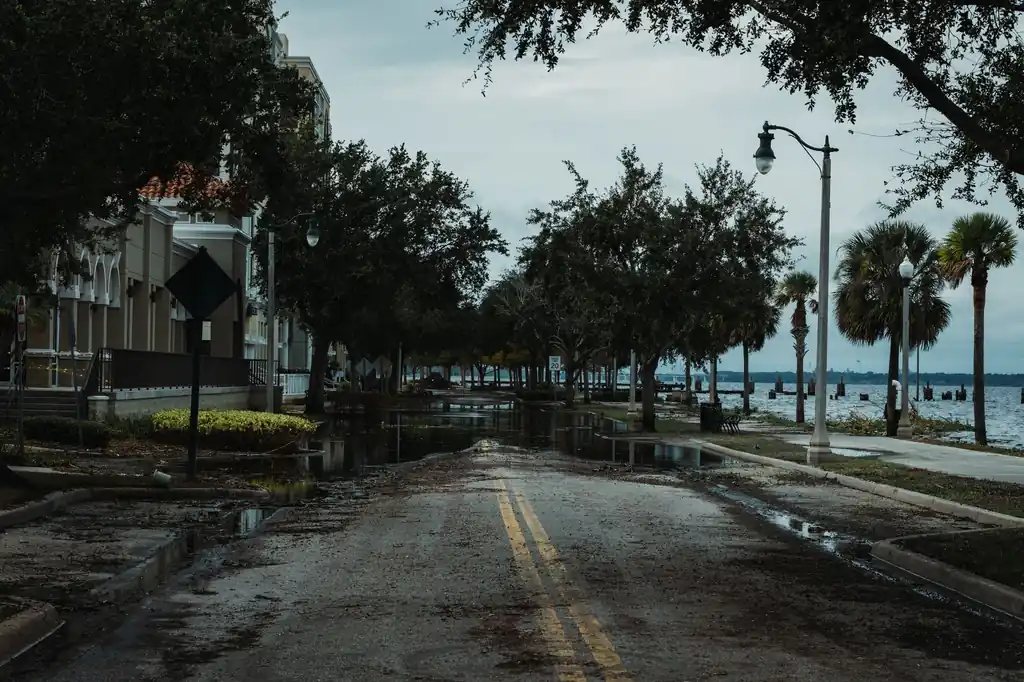
Moisture Detection for Water Damage in Lake Worth Beach is the first step in stopping a small leak from becoming a five-figure repair. Our technicians use thermal cameras and pin meters to map water you cannot see behind tile, under hardwood, and inside wall cavities. If you have a musty smell, a warped baseboard, or a spike in your water bill, call us today.
Useful updates and clear arrival timing.
Review the approach and price before deciding.
Equipped vehicles and respectful cleanup.
Neighbors serving neighbors with follow-through.
Every detection visit includes a full scan, moisture map, and written findings. We do not charge extra for thermal imaging or documentation. Here is what you get when you book.
We scan every room, hallway, and accessible wall with a FLIR thermal camera. We mark temperature anomalies and confirm with meters. The scan covers up to 2,500 square feet on a standard visit.
We take pin and non-penetrating readings on drywall, baseboard, hardwood, carpet, and concrete. Each reading is logged by room and material. You get a copy of the moisture map before we leave.
We document what is wet, how far it spread, and the likely source. The report includes thermal images and moisture percentages. It is formatted for insurance adjusters and plumbers.
If drying is needed, we outline equipment placement, estimated dry time, and daily monitoring. We set equipment the same day when you approve. No pressure, just a clear plan.
If we find a plumbing or roof leak, we refer a licensed plumber or roofer. We do not repair the source ourselves, but we coordinate so the fix happens before we dry.
Share what is happening and receive a clear next step from the local team.
Moisture Detection for Water Damage in Lake Worth Beach is a diagnostic service that locates trapped water and elevated humidity inside your home before visible damage spreads. We use infrared thermal imaging, penetrating and non-penetrating moisture meters, and thermo-hygrometers to read moisture content in drywall, framing, subfloor, and concrete slab. The goal is simple: find every wet pocket, measure it, and document it so drying equipment can be placed where it actually matters.
Lake Worth Beach homes deal with humidity year-round, and that changes how moisture behaves. A pinhole supply line leak behind a kitchen cabinet can soak the toe kick and subfloor for weeks before you notice a soft spot. After a storm or hurricane, wind-driven rain pushes water into wall cavities through weep holes and window frames. If you have been searching for a plumber who can find a hidden water leak in Lake Worth Beach, our detection step gives you the exact location before anyone cuts into drywall.
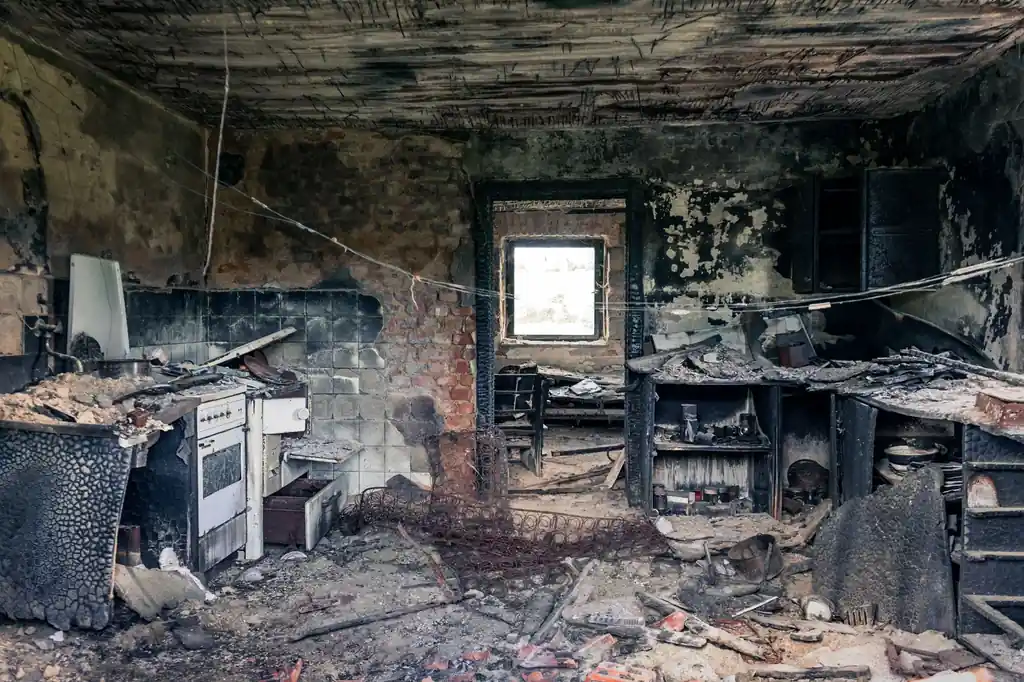
You call (561) 760-4158 and describe what you see: a stain on the ceiling, a musty closet, a spike in the water bill. We ask when it started and whether the water is still running. We schedule a same-day or next-morning visit and tell you to shut off the supply valve if the leak is active.
A technician walks the home with you and notes visible signs: bubbling paint, cupped hardwood, loose tile, dark grout lines. We check the water heater pan, under sinks, around the toilet base, and the AC drip pan. This takes 10 to 15 minutes and tells us where to focus the meters.
We scan walls, ceilings, and floors with a FLIR thermal camera. Temperature differences reveal evaporative cooling from hidden moisture. We mark suspect areas with tape and then confirm each one with a pin-type or non-penetrating moisture meter. The scan covers every room and the garage slab.
We record readings by material type: drywall, baseboard, hardwood, carpet pad, concrete. Each reading goes into a moisture map with room names and percentages. You get a copy. This map drives where we place air movers and dehumidifiers if drying is needed.
We show you the thermal images and explain what is wet, how far it traveled, and what it will take to dry. If the source is a plumbing leak, we refer a licensed plumber. If drying is needed, we set equipment the same day and schedule a recheck in 24 to 48 hours.
Detects temperature differences caused by evaporating moisture. We use it to scan walls, ceilings, and floors without cutting.
Measures moisture content in wood and drywall by driving pins into the material. Gives exact percentage readings for documentation.
Reads moisture through tile, vinyl, and finished surfaces without leaving marks. Used to scan large areas quickly.
Measures ambient temperature and relative humidity. We use it to calculate dew point and drying goals.
Inserts through a small hole to visually inspect inside wall cavities. Confirms what the meters indicate.
Non-destructive meter for concrete and slab. Helps detect slab leaks and moisture under flooring.
We follow the IICRC S500 standard for water damage restoration. It defines moisture detection procedures, drying goals, and documentation requirements. Following it keeps our work defensible for insurance claims.
We scan each room systematically, looking for Delta-T anomalies. Every anomaly is confirmed with a meter before we mark it. This method catches hidden moisture without demolition.
We create a room-by-room map with moisture percentages by material. The map guides equipment placement and tracks drying progress on follow-up visits.
We start non-invasive on finished surfaces, then use pin meters where safe. This gives accurate readings while minimizing damage to your home.
We scan the bathroom and adjacent hallway with thermal imaging to check for water under the tile and in the subfloor. Water often wicks further than you think. You get a moisture map showing exactly what is wet. If drying is needed, we set equipment the same day.
We check the AC drip pan, drain line, and the walls around the air handler. High humidity can cause condensation that soaks drywall and framing. We identify whether the moisture is from the AC or a separate leak and dry the affected area.
We perform a pre-purchase moisture scan to verify the area is dry. We check the repair site and surrounding materials for hidden moisture. You get a written report to negotiate repairs or confirm the fix was done correctly.
We scan all exterior walls and window frames for wind-driven rain intrusion. We map moisture in insulation and drywall. We dry the structure before mold colonizes, typically within 3 to 5 days.
Lake Worth Beach sits on a barrier island and mainland with high water tables and year-round humidity. That combination means water from a small leak does not evaporate; it spreads. Most homes here are slab-on-grade, so water travels horizontally under tile and hardwood before it shows. After a storm, wind-driven rain enters through window frames and stucco cracks. We scan exterior walls first in those cases. If you need a leak detection specialist in Lake Worth Beach, we know the building stock: 1920s bungalows in the Historic District, mid-century ranches in College Park, and newer condos near Bryant Park. Each has different plumbing and wall assemblies. We adjust our detection approach to match.
Older homes with original galvanized pipes and plaster walls. Leaks hide behind plaster and often go unnoticed until the ceiling stains.
Many homes have crawl spaces that trap humidity. We check joists and insulation for moisture that rises from below.
Waterfront homes deal with salt air and storm surge. We scan exterior walls and ground-floor slabs after high tides or storms.
Mid-century ranches with cast iron drains. Slow drain leaks soak the subfloor. We detect moisture around bathrooms and kitchens.
Mixed-use buildings with commercial spaces below condos. We coordinate after-hours scans to avoid disrupting businesses.
High humidity slows drying and makes small leaks more damaging. We use dehumidifiers and track dew point to dry effectively.
Water travels under floors and is hard to detect visually. Thermal imaging and slab meters are essential.
Wind-driven rain enters wall cavities. We scan exterior walls and window frames after every major storm.
Groundwater can rise into crawl spaces and slabs. We check for moisture from below, not just leaks from above.
A homeowner noticed a musty smell in the hallway but no visible water. A previous contractor could not find the source and suggested replacing the drywall. The smell got worse over two weeks.
Our thermal scan found a slow leak from the AC condensate line inside the wall. We mapped moisture across 40 square feet of drywall and framing. We dried the area in three days and the homeowner avoided a full wall replacement.
Maintenance: We recommended a condensate pan treatment and annual AC inspections. The homeowner now checks the pan monthly during summer.
A water bill jumped from $80 to $240 in one month. The homeowner saw cupped hardwood in the kitchen but no standing water. A plumber suspected a slab leak but could not pinpoint it.
We used acoustic listening and thermal imaging to trace the leak to a hot water line under the kitchen slab. We documented moisture in a 6-foot radius and dried the subfloor. The plumber repaired the line, and the floor dried to 12 percent moisture content.
Maintenance: We advised monitoring the water bill monthly and checking for new cupping. The homeowner scheduled a follow-up scan after 30 days.
After a tropical storm, the homeowner found damp baseboards on the north wall. The paint was bubbling, and the carpet felt slightly damp. They called us two days after the storm.
Thermal imaging showed wind-driven rain had entered through window frames and soaked insulation in two wall cavities. We extracted water, set air movers and a dehumidifier, and dried the walls in four days. Moisture readings dropped from 28 percent to 11 percent.
Maintenance: We recommended sealing window frames and checking exterior caulk before next hurricane season. The homeowner now does a pre-season walkthrough each May.
Hidden moisture causes most of the expensive damage we see. These are the problems Lake Worth Beach homeowners call us about most often.
Musty air means mold is already growing in a wall or floor cavity. Ignoring it lets spores spread through your HVAC system and into bedrooms. We scan with thermal imaging to find the wet pocket behind the smell. We map the moisture, dry the area, and treat the surface to stop mold from returning.
A slab leak or pinhole supply line can waste thousands of gallons per month. Left alone, it undermines your foundation and floors. We use acoustic listening and thermal imaging to trace the leak path. We document the moisture spread and refer a licensed plumber to repair the line.
Warping means the subfloor is wet. If it stays wet, wood rot and delamination follow, and the floor may need full replacement. We detect moisture under the finished floor and dry the subfloor to under 16 percent. Catching it early often saves the hardwood.
A ceiling stain means water is traveling from the roof or AC line. The wet area is usually larger than the stain, and mold can start in 48 hours. We scan the attic and ceiling cavity to find the entry point and map the spread. We dry the framing and drywall, then refer a roofer if needed.
$150 - $350 for standard residential; commercial quoted by scope
Typical 2026 pricing for moisture detection in Lake Worth Beach ranges from $150 to $350 for a standard home visit. The fee covers thermal imaging, meter readings, and a written moisture map. If you proceed with drying services, we often credit the detection fee toward the dry-out. Larger homes, commercial spaces, and after-hours calls may cost more. We give you the price before we start.
Detection costs a fraction of what mold remediation or floor replacement runs. Finding the leak early often saves thousands. We credit the fee toward drying when you hire us for the dry-out.
A 1,200-square-foot bungalow takes less time to scan than a 3,500-square-foot home. Larger homes have more rooms and wall cavities to check, which adds 30 to 60 minutes.
If you have one musty closet, we focus there. If you have moisture in three rooms, we scan all three and map the spread. Each additional area adds time and documentation.
Crawl spaces, attics, and locked utility rooms take longer to inspect. If we need a ladder or crawl gear, that adds to the visit time.
We answer 24/7. Calls after 8 p.m. or on holidays carry a higher rate because we dispatch a technician outside normal hours.
Commercial spaces often have larger square footage and more complex layouts. We quote commercial detection separately based on scope.
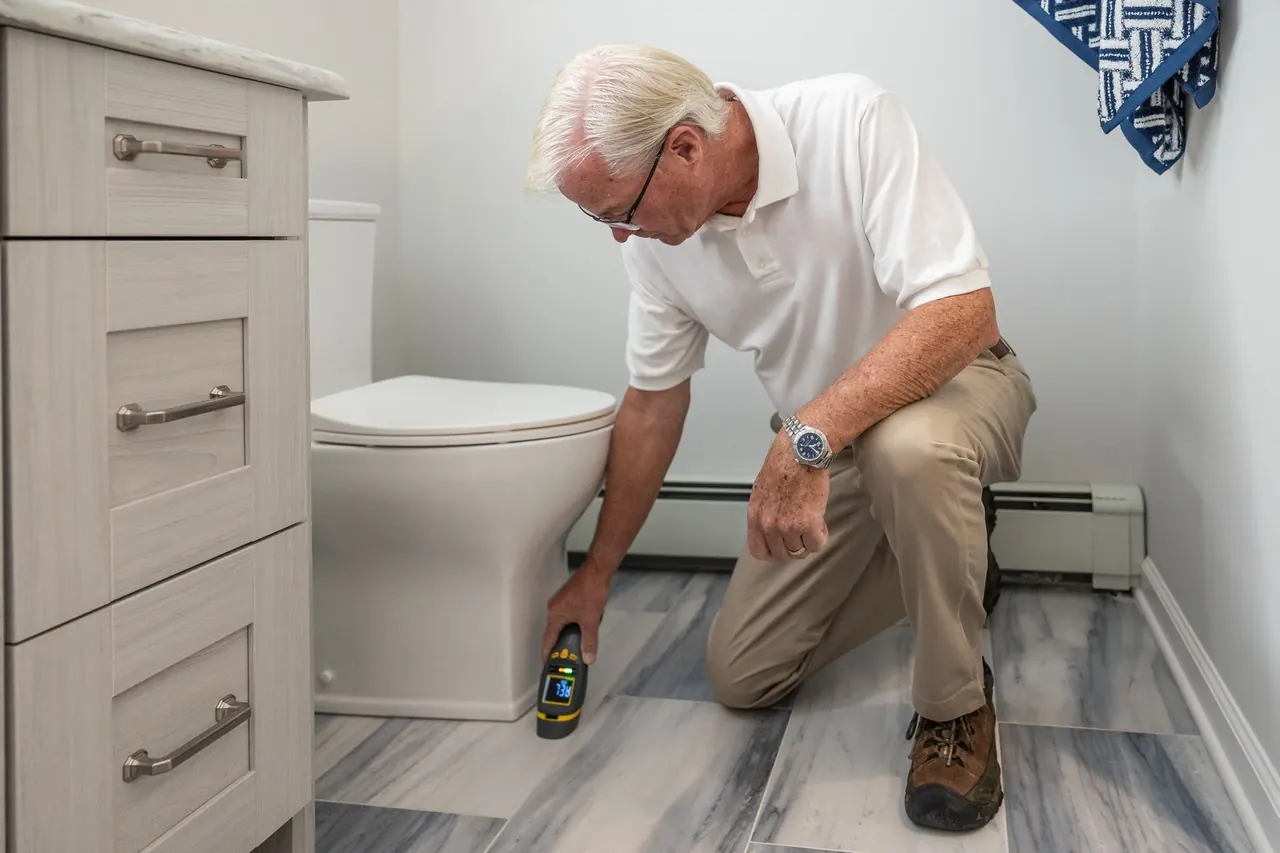
Our technicians are trained in water damage restoration and moisture detection through the IICRC, the industry's certification body. We have scanned thousands of Lake Worth Beach homes, from 1920s bungalows in the Historic District to new builds west of Dixie Highway. We know how Florida slab-on-grade construction hides water and how hurricane-season rain finds its way into wall assemblies. Every detection visit includes a written moisture map and thermal images you can hand to your insurance adjuster.
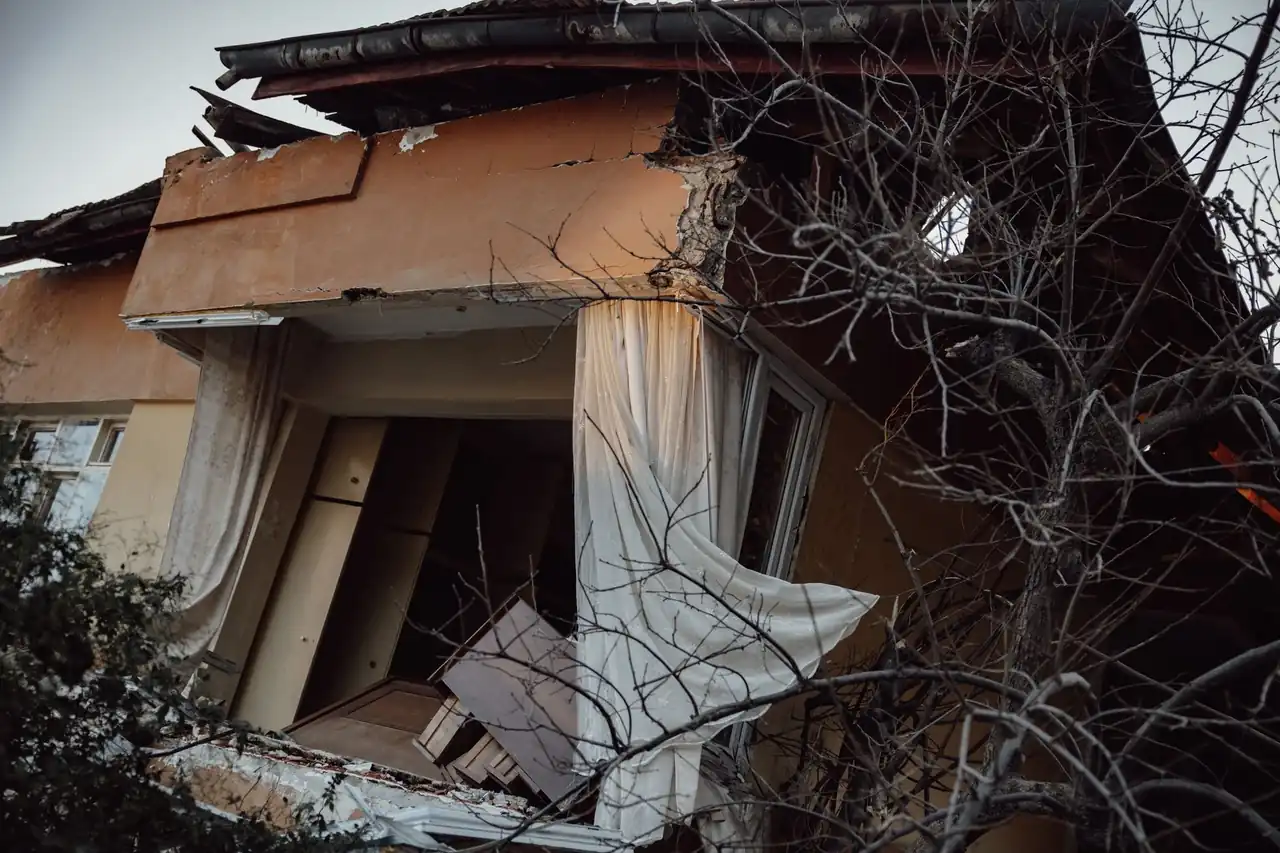
We had a musty smell in the hallway for weeks. The team came out same day with a thermal camera and found a slow leak from the AC line inside the wall. They marked the wet area, set drying equipment, and gave us a moisture map for our insurance. No guesswork, no unnecessary cutting.
After Hurricane Ian, we had water in three units. Their detection tech scanned every wall and found moisture we would have missed. The report was detailed enough that our adjuster approved the dry-out without a second visit. Fast, professional, and they know the neighborhood.
Our water bill spiked and we could not find the leak. They used a pin meter and thermal imaging to trace it to a slab leak under the kitchen. They dried the area and referred a plumber. Saved us from tearing up the whole floor. Honest and thorough.
Most moisture detection visits in Lake Worth Beach run $150 to $350 in 2026, depending on home size and how many rooms we scan. That fee covers thermal imaging, meter readings, and a written moisture map. If you proceed with drying services the same day, we often credit the detection fee toward the dry-out. Call (561) 760-4158 for a same-day quote.
A standard detection visit takes 45 to 90 minutes for a single-family home. A 1,200-square-foot bungalow usually runs about 45 minutes. Larger homes over 3,000 square feet or commercial spaces can take two hours. We do not rush the scan because missing a wet pocket means mold later. You get the moisture map before we leave.
Yes. We use thermal imaging and non-penetrating meters to locate hidden leaks without opening walls. The thermal camera reads temperature differences caused by evaporating moisture. We confirm each suspect area with a pin meter when accessible. Only after we map the wet zone do we recommend any cutting, and we keep that to the saturated material.
Musty odors, warped baseboards, cupped hardwood, bubbling paint, or a water bill that jumped 20 percent or more are the usual signs. In Lake Worth Beach, a spike after heavy rain often means wind-driven water entered a wall cavity. If you notice any of these, call us before the damage spreads. Early detection keeps repair costs down.
Not seeing your question? Our local team can help you understand urgency, scheduling and what to expect.
Ask the local team
When detection confirms an active leak, our emergency crew responds 24/7 to stop the source and begin extraction. We handle burst pipes, appliance failures, and storm intrusion across Lake Worth Beach.
View serviceFor homeowners, we combine moisture detection with full dry-out and repair. We document everything for your insurance claim and restore your home to pre-loss condition.
View service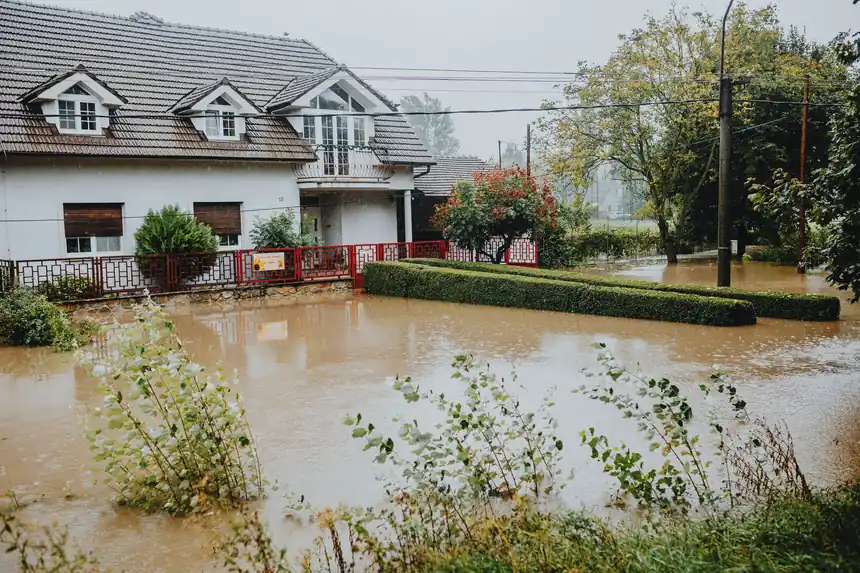
Offices, retail, and restaurants in Lake Worth Beach need fast detection to limit downtime. We scan after hours and set drying equipment so you can reopen quickly.
View serviceStanding water needs removal before detection can be accurate. We extract with truck-mounted units, then scan to find what the pump missed.
View service
We answer the phone 24 hours a day, every day of the year. Call (561) 760-4158 and a technician will take your address, ask what happened, and dispatch a crew. Most Lake Worth Beach addresses see a truck within 60 to 90 minutes. If water is still running, shut the supply valve first, then call.