Focused arrival windows
Useful updates and clear arrival timing.
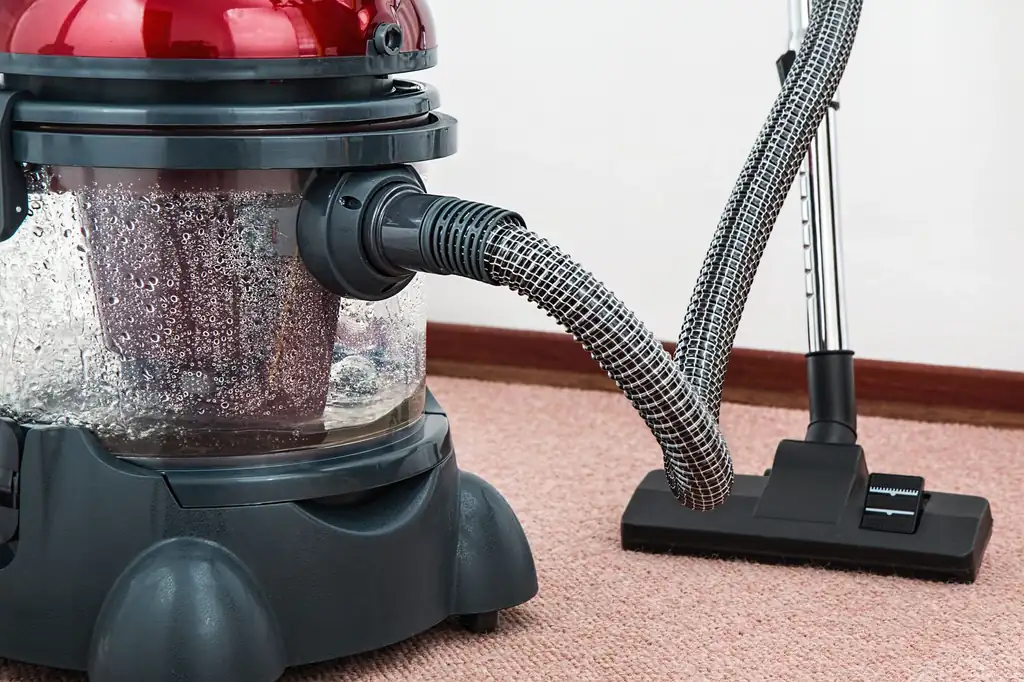
Storm Water Damage Cleanup in Lake Worth Beach starts with a phone call and ends with a dry, verified structure. We handle emergency water extraction, flood water removal, and structural drying for homes and businesses across Lake Worth Beach, Florida. When a summer downpour pushes water through your doors or a tropical system leaves standing water in your living room, our team responds 24/7 with truck-mounted extractors and commercial dehumidifiers. We document everything, work directly with your insurance, and don't leave until moisture readings are back to normal.
Useful updates and clear arrival timing.
Review the approach and price before deciding.
Equipped vehicles and respectful cleanup.
Neighbors serving neighbors with follow-through.
Every storm cleanup job starts with an inspection and ends with a verified dry structure. Here is what is included in our standard scope for Lake Worth Beach properties.
Truck-mounted extractors and submersible pumps remove standing stormwater from carpet, tile, concrete, and garages. We extract until no more water can be pulled, then move to drying. This step happens the same day you call.
Stormwater is Category 3 under IICRC S500, so we remove and bag flood-soaked carpet, pad, drywall, and insulation that cannot be saved. Everything contaminated leaves the property in sealed bags. We photograph the removal for your insurance claim.
After removal, we apply EPA-registered antimicrobial to affected surfaces to stop mold and bacteria from colonizing. This is standard on every storm job because stormwater carries contaminants. It is not an add-on or an upsell.
We place refrigerant dehumidifiers, high-velocity air movers, and HEPA air scrubbers as needed. Equipment runs 24 hours a day and we monitor moisture readings daily. You do not need to babysit the machines.
A technician visits daily to take moisture content readings on drywall, baseboards, and subfloor. We adjust the drying setup if readings stall. You get a log of every reading, which your adjuster can use.
When materials hit dry standard, we take final readings and produce a written report with photos and daily logs. We walk the property with you before we leave. This report is what your insurance carrier needs to close the claim.
Share what is happening and receive a clear next step from the local team.
Storm Water Damage Cleanup in Lake Worth Beach is the process of removing floodwater, contaminated water, and excess moisture from a structure after a storm, then drying the building materials to prevent mold, rot, and structural failure. It is not a shop-vac job. Stormwater carries dirt, lawn chemicals, and sometimes sewage, so we treat it as Category 2 or Category 3 water under the IICRC S500 standard. That means extraction with truck-mounted units, disposal of unsalvageable porous materials, antimicrobial application, and calibrated drying with refrigerant dehumidifiers and high-velocity air movers.
Lake Worth Beach sits in a low-lying coastal pocket of Palm Beach County where the water table is high and the soil drains slowly. A typical afternoon thunderstorm can drop two inches in an hour, and during hurricane season, storm surge and torrential rain push water into garages, slab-on-grade homes, and ground-floor commercial spaces. We see it most in the Historic District, Parrot Cove, and Mango Groves, where older homes have original terrazzo or hardwood floors that warp fast. If you are searching for emergency storm flood water removal near me after a named storm, call us before you start pulling up carpet yourself.
You call (561) 760-4158 and speak to a real person, not a call center. We ask what happened, how deep the water is, and whether the power is safe. A crew is dispatched immediately with extraction units, dehumidifiers, and air movers. We give you a realistic arrival window and stay on the line if you need help shutting off a breaker or moving furniture.
On arrival, we walk the property with you and identify the water source and migration path. We use thermal imaging cameras and pin-type moisture meters to find hidden saturation behind baseboards, under cabinets, and inside wall cavities. You get a clear picture of what is wet and what is not before we start removing anything.
Truck-mounted extractors pull standing water from carpet, tile, and concrete. For deeper flooding, we use submersible pumps. We remove carpet, pad, and any drywall that has wicked up more than a few inches of stormwater. Everything contaminated gets bagged and hauled off, not left in your garage.
We set up a calibrated drying system: refrigerant dehumidifiers to pull moisture from the air, high-velocity air movers to evaporate water from surfaces, and HEPA air scrubbers if contamination is present. Equipment runs 24 hours a day. We monitor readings daily and adjust the setup until materials hit dry standard.
Before we pull equipment, we take final moisture readings and compare them to the dry standard for each material type. You receive a written drying report with photos and daily logs, which you can hand to your insurance adjuster. We walk the property with you, confirm everything is dry, and leave the space ready for repairs.

High-capacity units that pull hundreds of gallons of standing water from carpet, tile, and concrete. They are the first piece of equipment on every storm job.
Used for deep flooding in garages, crawl spaces, and lower levels where water is too deep for standard extractors. They move water fast.
Pull moisture from the air to speed up drying of walls, floors, and framing. We size them to the square footage and run them 24 hours a day.
Direct airflow across wet surfaces to evaporate moisture. We position them to create a drying vortex in each affected room.
Reveal hidden moisture behind walls, under floors, and in ceilings without tearing anything open. They guide our moisture mapping.
Measure moisture content in drywall, wood, and subfloor. We use them daily to track drying progress and confirm dry standard.
Filter airborne contaminants during removal and drying. Essential on Category 3 stormwater jobs to protect indoor air quality.
The industry standard for water damage restoration. It defines water categories, drying principles, and documentation requirements. We follow it on every storm cleanup job in Lake Worth Beach.
We create a map of all wet areas using thermal imaging and meter readings. This map guides equipment placement and gives your adjuster a clear picture of the damage.
We record moisture content readings every day and adjust the drying setup if progress stalls. You get a copy of every log for your records and your insurance claim.
We apply EPA-registered antimicrobial to affected surfaces after removal. This stops mold and bacteria from growing during the drying process. It is standard on all stormwater jobs.
We compare final moisture readings to the dry standard for each material type. Equipment does not come out until the numbers match. You get the verification in writing.
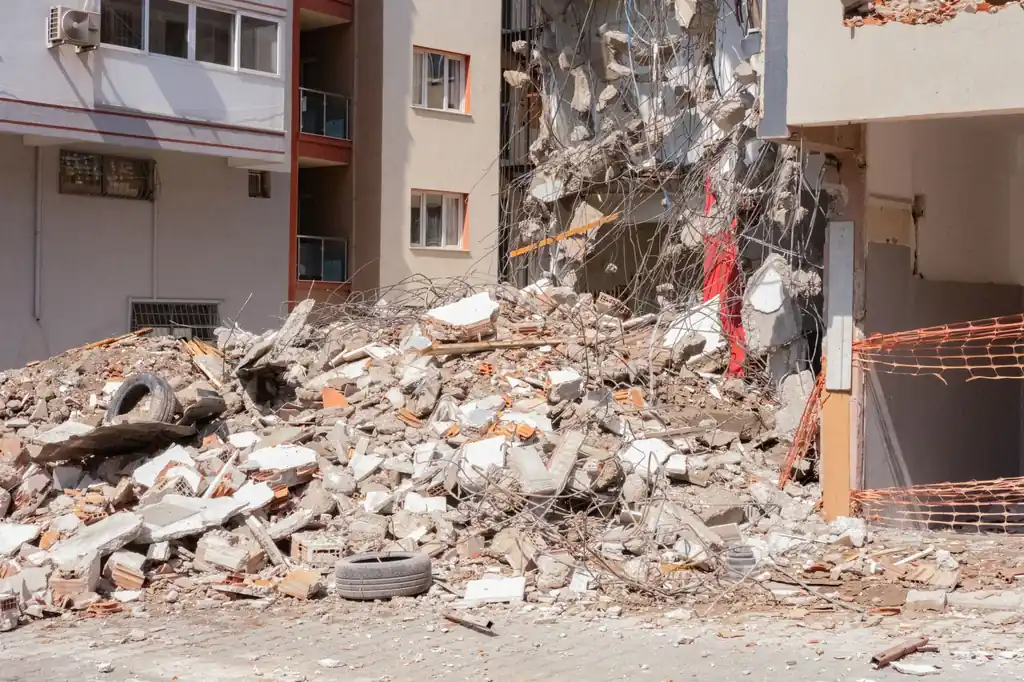
We extract the standing water, remove wet drywall and baseboards, apply antimicrobial, and set up drying equipment. We check the moisture in the adjacent rooms to make sure water did not migrate. Your laundry room and garage are dry in three to four days, and you have a report for your insurance claim.
We tarp the roof if needed, extract water from the ceiling and floor, remove saturated drywall, and dry the ceiling assembly with directed air movers. We document the roof leak for your claim. The ceiling is dry and stable, and you avoid a mold problem that would have cost thousands more.
We extract the water, use drying mats and controlled humidity to pull moisture from the wood, and monitor daily. If boards are too far gone, we document the damage and remove them. Your hardwood floors are saved where possible, and the subfloor is dry and ready for refinishing.
We pump out the crawl space, remove debris, and run dehumidifiers to dry the floor framing. We check for mold and treat if needed. Your crawl space is dry, and your floor framing is protected from rot and mold.
Lake Worth Beach is a coastal city with a high water table, older housing stock, and a storm season that runs from June through November. When a tropical system stalls over Palm Beach County, stormwater has nowhere to go. It pools in low-lying blocks near Bryant Park, backs up into garages in Parrot Cove, and seeps into slab-on-grade homes throughout the Historic District. We know which streets flood first and which building materials are most vulnerable. Original terrazzo floors can handle water better than hardwood, but both need fast extraction and controlled drying. We also deal with the aftermath of power outages: failed sump pumps, water heaters that let go, and appliances that leak while nobody is watching. If you are searching for emergency storm flood water removal near me in Lake Worth Beach, our crews are already staged in the area during storm events. We work with local insurance adjusters who know this market and we document every job to their standards.
Older homes with original hardwood and terrazzo floors. Stormwater wicks fast into these materials, so we prioritize extraction and controlled drying.
Low-lying streets near the Intracoastal that flood during heavy rain. We see repeated stormwater intrusion in garages and ground-floor living areas.
Slab-on-grade homes with mature landscaping that can channel stormwater toward foundations. We check for moisture migration into adjacent rooms.
Commercial and industrial buildings with large open floor plans. Storm flooding here can shut down operations, so we prioritize fast extraction and drying.
Stormwater has nowhere to go, so it sits against foundations and wicks into slab-on-grade homes. We extract quickly and dry the slab to prevent long-term moisture problems.
Named storms bring wind-driven rain, roof leaks, and storm surge. We staff up during active storms and stage equipment so response times stay under 90 minutes.
Hardwood floors, terrazzo, and original drywall require careful drying to avoid secondary damage. We adjust our methods based on what the home is built with.
Outages cause sump pumps to fail and appliances to leak. We handle these secondary water sources alongside stormwater intrusion in a single visit.
A tropical storm pushed two inches of water through the sliding doors of a 1950s ranch home. Carpet and pad were soaked, and water had wicked six inches up the drywall. The homeowner called at 6 a.m. and we were on-site by 7:15 a.m.
We extracted 180 gallons of water, removed the carpet and pad, cut out the saturated drywall, and applied antimicrobial. Four days of drying brought moisture readings back to dry standard. The homeowner's insurance covered the full scope.
Maintenance: We recommended replacing the sliding door threshold and adding a French drain along the patio edge to redirect future stormwater away from the house.
A hurricane peeled back shingles over the living room, and rain poured through the ceiling for three hours. The ceiling drywall was sagging, insulation was soaked, and water had pooled on the hardwood floor. The homeowner was out of town and a neighbor called us.
We tarped the roof, extracted the standing water, removed the sagging ceiling drywall and wet insulation, and dried the ceiling cavity and hardwood floor. Five days of drying and the moisture readings were back to normal. The insurance claim covered the roof repair and interior drying.
Maintenance: We advised the homeowner to have the roof inspected annually before hurricane season and to keep gutters clear to prevent future leaks.
A summer thunderstorm flooded the loading dock and warehouse floor of a distribution business. Standing water covered 4,000 square feet of concrete, and cardboard inventory was ruined. The business needed to reopen within a week.
We brought in multiple truck-mounted extractors and submersible pumps to clear the water in four hours. We removed damaged inventory, applied antimicrobial, and set up industrial dehumidifiers and air movers. The warehouse was dry in three days and the business reopened on schedule.
Maintenance: We recommended installing a permanent sump pump and a flood barrier at the loading dock to reduce future stormwater intrusion.
Storm flooding creates a chain of problems that get worse with every hour you wait. These are the issues we see most often and how we stop them.
Water wicks into drywall and baseboards within hours, and mold can start growing in 24 to 48 hours. The longer it sits, the more materials have to be removed. We extract standing water with truck-mounted units, remove saturated materials, and start drying the same day. Our crews carry enough equipment to handle whole-home flooding without waiting for a second trip.
Stormwater carries lawn chemicals, dirt, and sometimes sewage. If it is not treated as contaminated, you risk bacterial growth and long-term health issues inside your home. We treat every storm job as Category 3 water under IICRC S500. That means antimicrobial application, removal of porous materials, and HEPA air scrubbing. We do not cut corners on contamination.
Moisture you cannot see keeps feeding mold and rot long after the visible water is gone. By the time you smell it, the damage is already expensive. We use thermal imaging cameras and pin-type moisture meters to map hidden saturation. We dry until readings match a dry standard, not until the surface feels dry. You get the numbers in writing.
Adjusters need documentation: photos, moisture maps, daily logs, and material removal records. Without them, claims get delayed or reduced. We document every job to adjuster standards and bill carriers directly. You get a complete package with photos, moisture readings, and a drying report. We explain what is covered so you file with the right policy.
$1,500 - $6,000 depending on scope
Storm water cleanup pricing in Lake Worth Beach depends on how much water got in, what materials are affected, and how long drying takes. Typical 2026 pricing for a residential storm cleanup ranges from $1,500 to $6,000. A single-room extraction with three days of drying usually lands near the lower end. Whole-home flooding with contaminated water and drywall removal pushes toward the higher end. We provide a written estimate before work begins and bill insurance directly for covered losses. There are no hidden fees and no surprise charges.
The cost of storm water cleanup is almost always less than the cost of mold remediation and structural repairs if you wait. Fast extraction and verified drying protect your home and your insurance claim.
The more area covered by water, the more extraction and drying equipment is needed. A 200-square-foot room takes far less equipment than a 1,500-square-foot ground floor. We measure on-site and price accordingly.
Clean water from a roof leak costs less to clean up than Category 3 stormwater that carries sewage or chemicals. Contaminated water requires antimicrobial treatment and removal of porous materials, which adds labor and disposal costs.
Carpet and pad are usually removed and replaced. Hardwood floors, terrazzo, and drywall can sometimes be dried in place, which saves money. We tell you what can be saved and what cannot before we start.
Most jobs dry in three to five days. Thick subfloor assemblies or hardwood floors can take seven to ten days. Longer drying means more equipment rental time, which affects the final invoice.
After-hours and storm-event calls may carry a higher dispatch rate because we are staffing crews around the clock. We tell you the rate before we dispatch so there are no surprises.
If your policy covers storm water damage, we bill the carrier directly and you are responsible only for your deductible. We document everything to adjuster standards to support your claim.
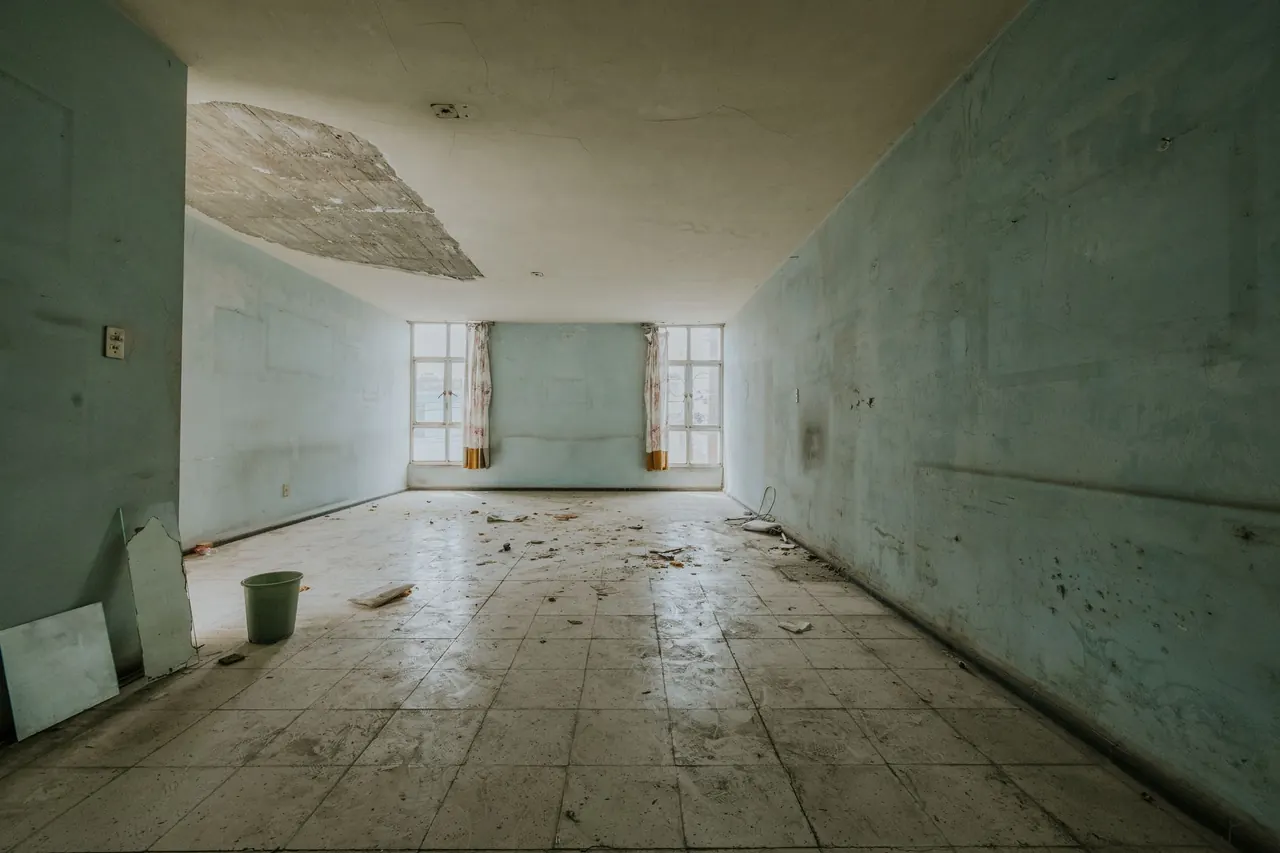
Our technicians are trained to the IICRC S500 standard for water damage restoration and carry state-issued mold remediation credentials. We have worked storm events across Palm Beach County, from named hurricanes to routine summer flooding in the Historic District and College Park. We know how Lake Worth Beach homes are built: slab-on-grade, terrazzo floors, original wood framing, and older plumbing that does not tolerate pressure spikes. That local knowledge changes how we dry a structure. We also work directly with insurance carriers and can document a claim to the standard adjusters expect.
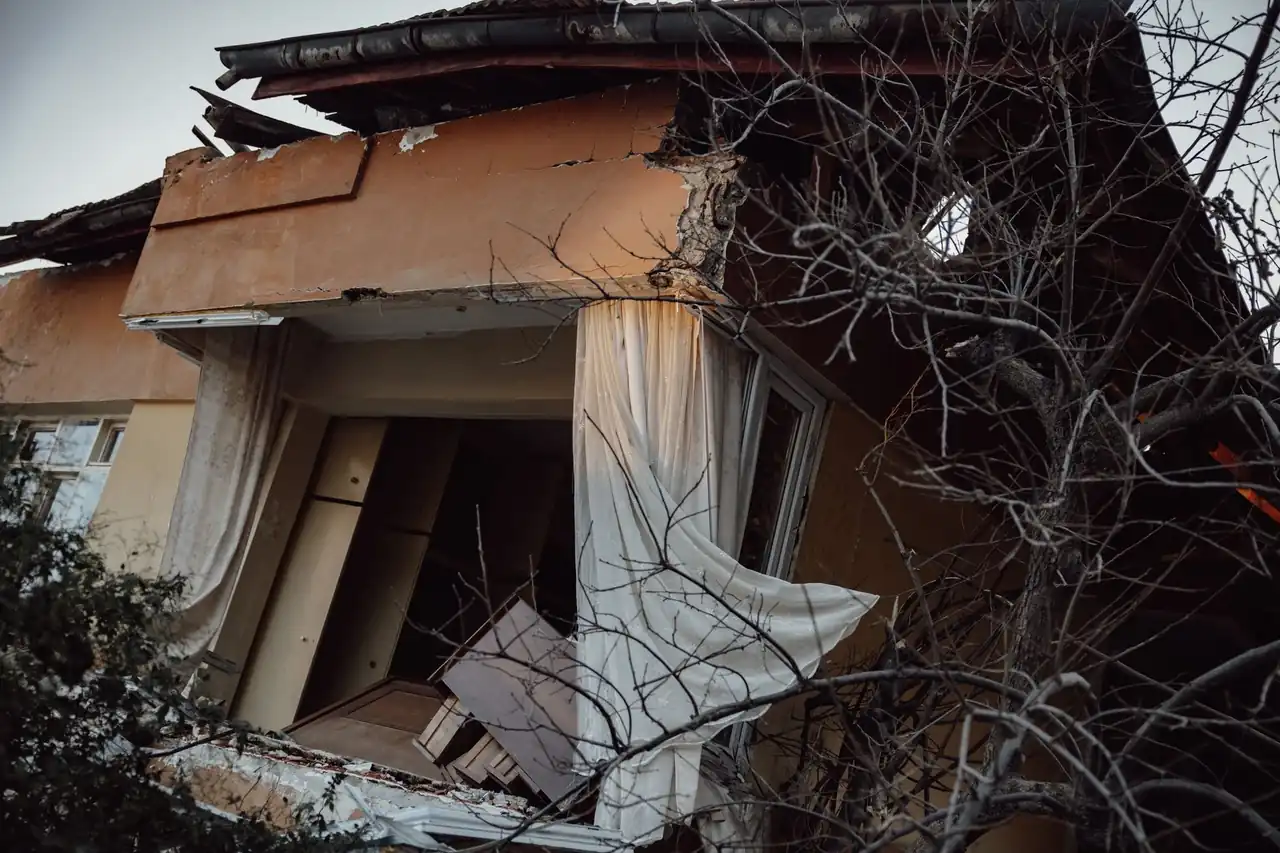
A tropical storm pushed water into our living room at 11 p.m. I called and a crew was here in about an hour. They extracted the water, pulled the soaked carpet, and set up dehumidifiers. The moisture readings were logged every day and they gave me a report for my insurance. Three days later the floor was dry and the claim was approved.
We manage several older buildings near the Historic District and storm flooding is a recurring problem. This team has handled three flood events for us. They are fast, they document everything, and they know how to dry terrazzo and hardwood without causing more damage. Our tenants have never had a mold issue after their cleanup.
Our garage flooded during a hurricane and the water started wicking into the laundry room. They pumped out the standing water, removed the wet drywall, and treated everything with antimicrobial. The drying took four days and they checked the moisture every single day. Honest pricing and no surprises.
Most residential storm water cleanup jobs in Lake Worth Beach run $1,500 to $6,000 depending on square footage, water category, and how many materials need removal. A single-room extraction with three days of drying typically lands near the lower end. Whole-home flooding with contaminated water and drywall removal pushes toward the higher end. We provide a written estimate before work begins and bill insurance directly for covered losses.
Most storm water dry-outs in Lake Worth Beach take three to five days with commercial dehumidifiers and air movers running around the clock. Hardwood floors and thick subfloor assemblies can take seven to ten days. We take daily moisture readings and do not remove equipment until materials hit dry standard. If readings stall, we adjust the drying setup rather than pack up early.
In most cases, yes, if the affected area is contained and power is safe. If stormwater is Category 3 contaminated or if mold is already present, we may recommend you stay elsewhere during the first 24 to 48 hours while we remove materials and run air scrubbers. We will tell you honestly what we recommend based on what we find on-site.
Homeowners insurance typically covers storm water damage from wind-driven rain, roof leaks, and burst pipes, but standard policies exclude rising floodwater. Flood damage requires a separate NFIP or private flood policy. We document every job to adjuster standards, bill carriers directly, and can explain the difference so you file with the right policy.
Not seeing your question? Our local team can help you understand urgency, scheduling and what to expect.
Ask the local team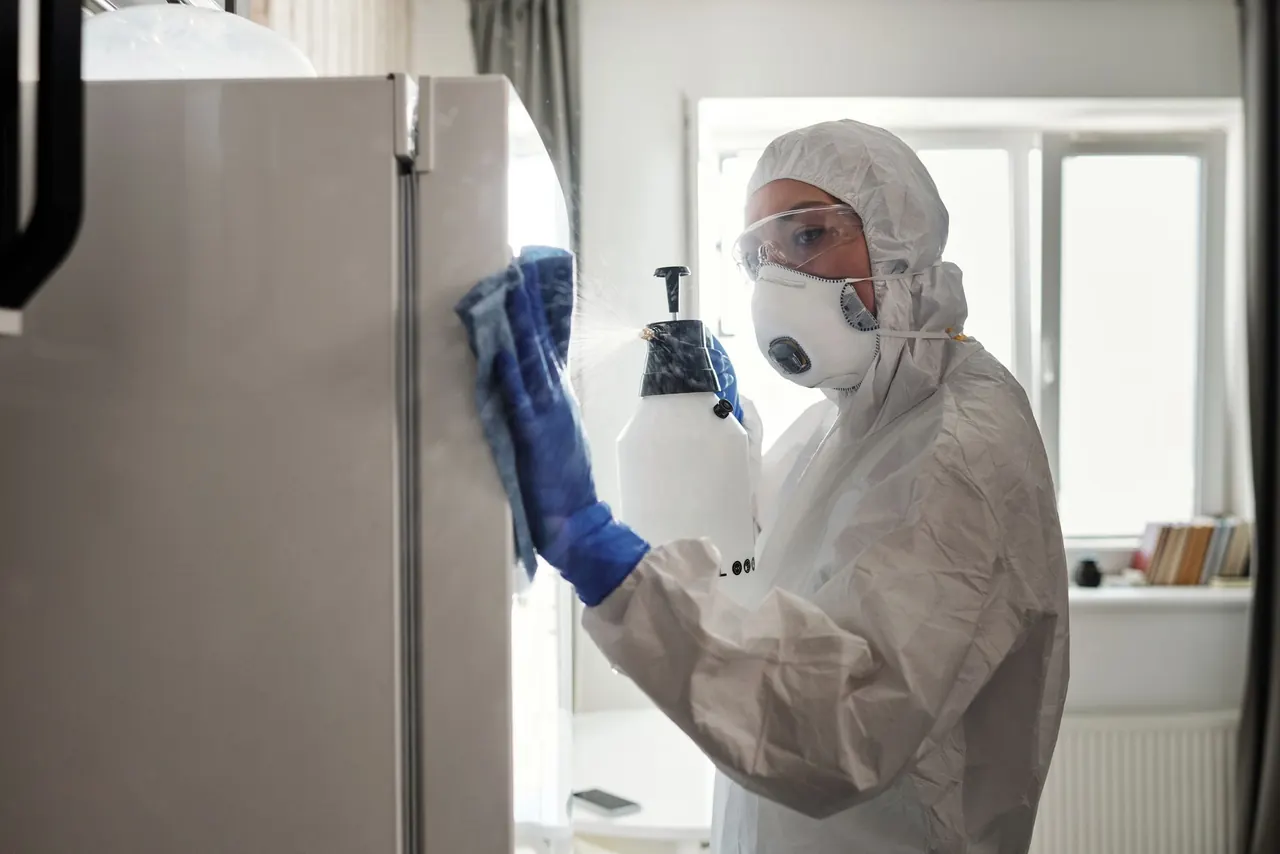
When stormwater breaches your walls, emergency water damage restoration is the first phase of recovery. We extract standing water, stabilize the structure, and begin drying immediately to prevent mold growth. This service pairs directly with storm cleanup for Lake Worth Beach homes hit by wind-driven rain or roof failure.
View service
Storm flooding in a Lake Worth Beach home often damages multiple rooms at once. Our residential water damage restoration service covers extraction, material removal, structural drying, and documentation for single-family homes, townhouses, and condos from the Historic District to Sunset Ridge.
View service
Storm flooding can shut down a Lake Worth Beach business for weeks if not handled fast. We restore retail spaces, offices, and restaurants in the Park of Commerce and downtown with after-hours scheduling, industrial extraction equipment, and drying systems sized for large open floor plans.
View serviceStanding stormwater is heavy and spreads fast. Our emergency water extraction crews use truck-mounted units and submersible pumps to pull water from carpet, tile, and concrete before it wicks into walls. This is the first step in every storm water cleanup job we run in Lake Worth Beach.
View service
We answer the phone 24 hours a day, every day of the year. Call (561) 760-4158 and a technician will take your address, ask what happened, and dispatch a crew. Most Lake Worth Beach addresses see a truck within 60 to 90 minutes. If water is still running, shut the supply valve first, then call.