Focused arrival windows
Useful updates and clear arrival timing.
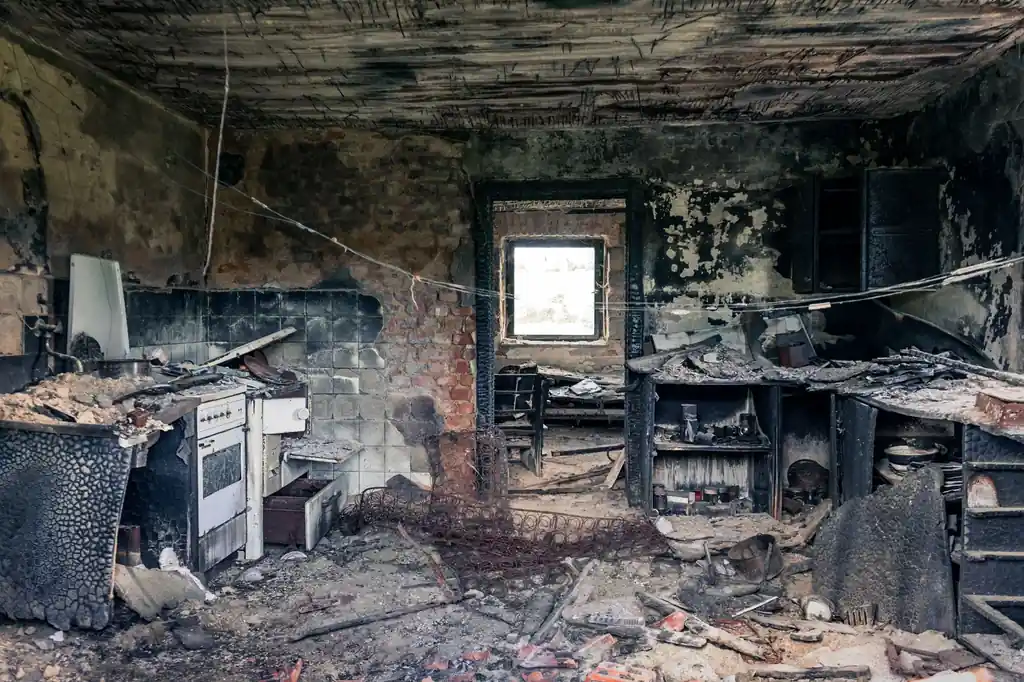
Subfloor Water Damage Drying in Lake Worth Beach is the difference between a floor that lasts and one that buckles six months later. If a supply line, toilet, or storm pushed water under your flooring, our team extracts it, opens the assembly, and dries the subfloor to documented moisture levels. We handle homes and businesses across Florida with 24/7 response and same-day emergency water extraction.
Useful updates and clear arrival timing.
Review the approach and price before deciding.
Equipped vehicles and respectful cleanup.
Neighbors serving neighbors with follow-through.
Every subfloor dry-out includes moisture mapping, extraction, equipment setup, daily monitoring, and a final dry standard verification. We document the entire process with photos and readings. If your job needs access holes, drying mats, or injection drying, that is included in the scope we quote. No surprise line items.
Thermal imaging and pin-type meter readings across the affected area. We photograph the wet zone, record moisture content, and take a dry standard from an unaffected part of your home. This is your baseline for the entire job.
Truck-mount or portable extraction removes standing water from the floor surface and from the subfloor where accessible. We extract until the surface is dry to the touch, then transition to drying equipment.
If finished flooring traps the subfloor, we cut strategic access holes or lift a section of flooring. We keep cuts minimal and place them where they can be patched cleanly. This step is what makes real subfloor drying possible.
Low-grain refrigerant dehumidifiers and high-velocity air movers sized to the affected area. We position equipment to push dry air across the subfloor and into the cavity. For hardwood, we add drying mats or injection systems.
We return every 24 hours to log moisture content and adjust equipment placement. Drying is not a set-and-forget job. We track the curve and make changes until the subfloor hits the dry standard.
We do not pull equipment until readings are within 2 percentage points of the dry standard. You get a final drying log, photos, and a written scope for any rebuild work. This report is what your insurance adjuster needs.
Share what is happening and receive a clear next step from the local team.
Subfloor Water Damage Drying in Lake Worth Beach is the controlled removal of trapped moisture from the plywood, OSB, or concrete deck beneath your finished floor. Water wicks sideways through the panel seams and sits there, feeding mold and delaminating the glue that holds your flooring down. We map the wet zone with thermal imaging and pin-type meters, then dry the cavity with directed airflow and low-grain refrigerant dehumidifiers until readings match a dry standard. No guesswork, no 'it feels dry' sign-off.
In Lake Worth Beach, the triggers are specific. A 40-year-old galvanized supply line lets go behind a bathroom wall. A hurricane pushes rain under a sliding door in Parrot Cove. A slab leak in a College Park ranch home wicks up through the concrete and saturates the subfloor from below. We also see washing machine and dishwasher leaks in the historic district's older homes, where the subfloor is often 1x6 diagonal plank instead of modern plywood. That plank dries differently, and treating it like plywood is how floors get ruined.
You call, we roll. Our technicians arrive with extraction and drying equipment already loaded. First move is stopping the water source if it is still running, then a walkthrough to find the wet boundaries. We photograph everything before we touch it, because your insurance adjuster will want that record.
We use thermal imaging cameras and pin-type moisture meters to trace where the water traveled under the floor. Water follows the path of least resistance, so a leak in the kitchen can show up 15 feet away at a hallway wall. Mapping takes 20 to 40 minutes and tells us exactly where to place equipment.
Standing water comes out first with truck-mount or portable extraction units. If the subfloor is trapped under finished flooring, we use a circular saw to cut strategic access holes, or we lift a section of flooring if it can be saved. This is the step that separates a real dry-out from a fan pointed at a wet rug.
We set low-grain refrigerant dehumidifiers and high-velocity air movers to push dry air across the exposed subfloor and into the cavity. In a typical 150 square foot room, that is one dehumidifier and three to four air movers running 24 hours a day. We also place a drying mat or injection system on hardwood floors when the panel is trapped.
We return every 24 hours to log moisture content and adjust equipment. A typical subfloor dry-out takes three to five days. We do not pull equipment until the subfloor reads within 2 percentage points of the dry standard. You get the final log, photos, and a written scope for any rebuild work.
Finds temperature differences caused by evaporating moisture. We use it to map the wet zone under floors and behind walls without cutting anything open.
Measures moisture content percentage in wood subfloors. We use it to establish the dry standard and to track the drying curve every 24 hours.
Pulls moisture out of the air so the subfloor can release its own. Sized to the cubic footage of the affected area, it runs 24 hours a day until the job is done.
Pushes dry air across the subfloor surface and into cavities. We position them to create a circular airflow pattern that reaches every wet panel.
Pulls moisture through hardwood flooring without removing it. The mat sits on the floor and draws water out of the subfloor from above.
Injects dry air directly into wall cavities and under cabinets where air movers cannot reach. Used for subfloors trapped under finished flooring.
Removes hundreds of gallons of standing water quickly. The truck-mount unit is the first piece of equipment on site for any significant water intrusion.
We calculate the temperature, relative humidity, and dew point of the affected area to size dehumidifiers and air movers correctly. This is not guesswork. Undersized equipment is the number one reason subfloor dry-outs fail and panels get replaced.
We take a moisture reading from an unaffected part of your home and use that as the target. The job is not done until the wet subfloor reads within 2 percentage points of that dry standard. This is how we prove the structure is dry.
When finished flooring traps the subfloor, we cut small access holes at strategic points and direct airflow into the cavity. The holes are placed where they can be patched cleanly. This method saves the finished floor in most cases.
For category 3 water like toilet overflows and storm water, we apply an antimicrobial treatment to the subfloor before drying. This stops mold and bacteria from colonizing the panel while it dries.
We record moisture content, temperature, and relative humidity every 24 hours. The log shows the drying curve and proves the subfloor returned to normal. It is also the document your insurance adjuster will ask for.
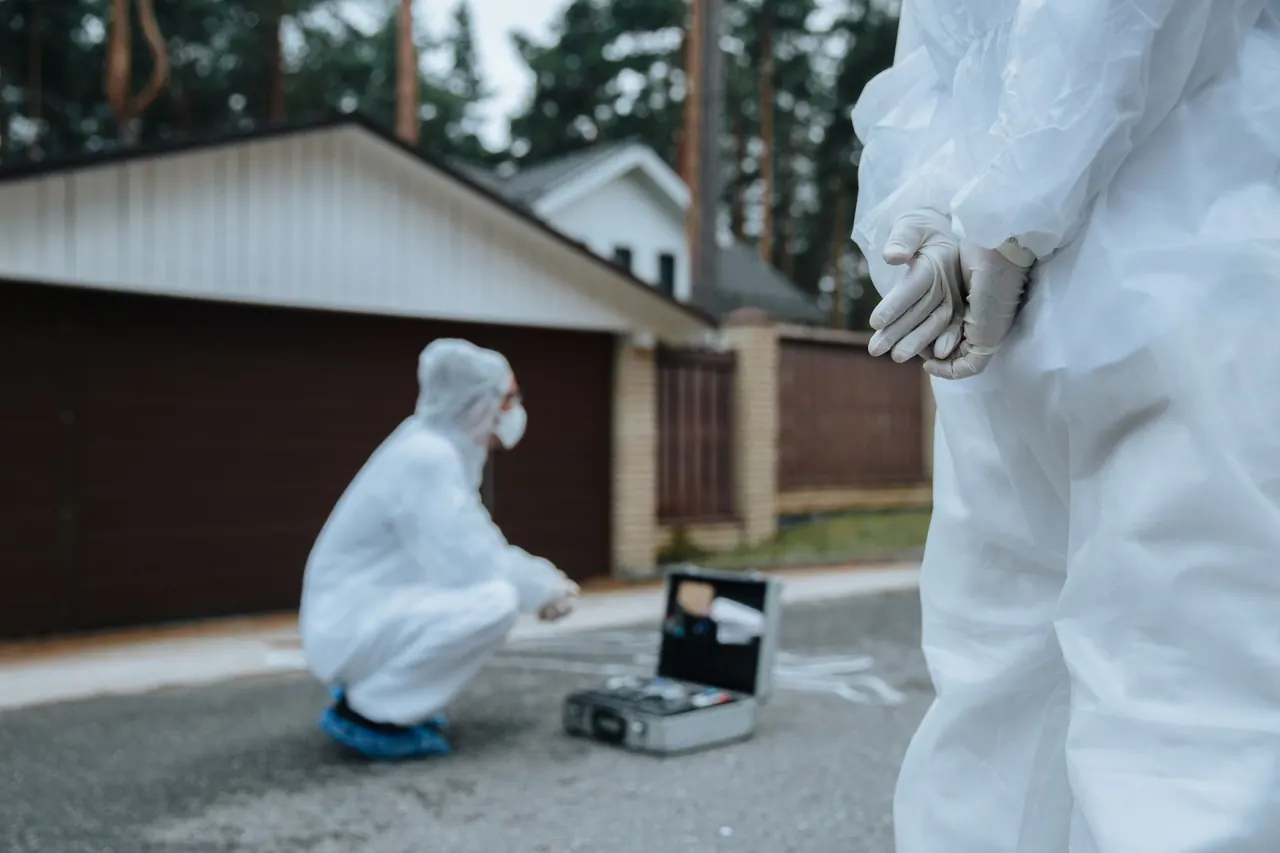
We extract the standing water, pull the washing machine out, and dry the subfloor in both rooms. We also check the adjacent wall cavities for moisture. Equipment runs for three to four days. The subfloor dries in place, the laundry room flooring is saved, and you have documentation for your insurance claim.
We extract the water, remove any saturated carpet and pad, treat the subfloor for contaminants, and set up drying equipment. We monitor daily and coordinate with your adjuster. Both bedroom subfloors are dried to standard, mold is prevented, and you have a full report for your hurricane claim.
We extract the contaminated water, apply antimicrobial treatment, and dry the subfloor through access holes in the tile. We check the hallway and adjacent closet for moisture migration. The subfloor is dry and treated, the tile stays in place, and the bathroom is back in service in under a week.
We locate the leak, stop it, and dry the subfloor from above. Because slab leaks are slow, we also check the baseboards and wall cavities for hidden moisture. The subfloor dries without replacement, the hallway flooring is saved, and we give you a written report for your plumber and your insurer.
Lake Worth Beach sits on the coast, and that shapes every subfloor dry-out we run. Summer humidity runs high, and a wet subfloor will not dry on its own here. We size dehumidifiers for the coastal air and run them longer than we would inland. The housing stock matters too. Historic district homes often have 1x6 diagonal plank subfloors, which release moisture slower than modern plywood. College Park and Tropical Ridge have slab-on-grade ranches where slab leaks wick up from below. Parrot Cove and Hypoluxo Island see storm-driven water under doors and through windows. We adjust our drying setup for each. If you are searching for emergency subfloor water damage drying near me in Lake Worth Beach, we are already in your neighborhood with the right equipment for the building you live in.
Older homes with diagonal plank subfloors and original hardwood. These need slower, longer drying to prevent cupping and panel damage.
Slab-on-grade ranch homes where slab leaks wick up through the concrete. We dry from above and check the baseboards for hidden moisture.
Coastal properties that take on storm water under doors and through windows. Category 3 water requires antimicrobial treatment before drying.
Waterfront homes with high exposure to storm surge and wind-driven rain. We respond after storms pass and document everything for flood claims.
Mix of older and mid-century homes with plumbing that is prone to supply line failures. Bathroom and kitchen subfloor wet-outs are common here.
A wet subfloor will not dry with open windows here. We rely on refrigerant dehumidifiers to pull moisture out of the air so the panel can release its own. Without them, drying stalls.
Storm-driven water enters under doors and through windows, soaking subfloors in minutes. We keep equipment staged during the season and respond as soon as it is safe to drive.
Galvanized and polybutylene supply lines fail without warning. When they do, water runs under floors for hours before anyone notices. Fast extraction is the only way to save the subfloor.
Slab leaks wick water up through concrete and into the subfloor from below. Air movers cannot reach the underside, so we dry from above with directed airflow and dehumidification.
A supply line burst under a bathroom sink in a 1940s historic district home. Water ran under the original oak floor and saturated the diagonal plank subfloor across two rooms. The homeowner thought the floor was a total loss.
We cut two access holes, set up drying mats and injection drying, and monitored daily. The subfloor hit the dry standard in four days. The oak floor stayed in place with no cupping. Total saved: 400 square feet of original hardwood.
Maintenance: We recommended a moisture check every six months and a supply line inspection. The homeowner replaced the remaining galvanized lines to prevent a repeat.
A slab leak in a College Park ranch home saturated the subfloor under the hallway and two bedrooms. Moisture readings were above 25% in the panel. The homeowner was told the subfloor needed full replacement.
We located the leak, stopped it, and dried the subfloor from above with directed airflow and dehumidification. Five days of monitoring brought readings to within 2 points of the dry standard. No panels were replaced.
Maintenance: We advised the homeowner to have the slab leak repaired by a licensed plumber and to check the baseboards each season for signs of new moisture.
A summer storm pushed water under the sliding doors of a Parrot Cove home, flooding two bedrooms. Carpet and pad were saturated, and the subfloor was contaminated with category 3 water. Mold was starting at the wall base.
We extracted the water, removed the carpet and pad, applied antimicrobial treatment, and dried the subfloor to standard in five days. The mold did not spread. The homeowner replaced the carpet and the subfloor was reused.
Maintenance: We recommended new door sweeps and a French drain outside the sliding doors. The homeowner also added a flood sensor near the door.
A wet subfloor does not fix itself. These are the problems we see most often, and what happens if they are left alone. Every one of them is cheaper to solve with drying than with replacement.
Trapped water warps the hardwood, delaminates the subfloor, and grows mold within 48 hours. By the time you see cupping, the damage is already deep. We use thermal imaging to find the moisture without pulling up the floor, then dry the subfloor with mats and injection systems. Most hardwood floors can be saved if we get to them within the first few days.
Category 3 water contaminates the subfloor and the panel edges swell, pushing tile up and creating a trip hazard. Without treatment, bacteria and mold colonize the panel. We extract the contaminated water, apply antimicrobial treatment, and dry the subfloor to a documented standard. If a section is too far gone, we identify exactly which panels need replacement.
Water from a slab leak saturates the subfloor from below, where airflow cannot reach it. The panel stays wet for weeks and mold grows on the underside where you cannot see it. We locate the leak, stop it, and dry the subfloor from above using directed airflow and dehumidification. For slab-on-grade homes in College Park and Tropical Ridge, we also check the adjacent walls.
Storm water is category 3 and carries contaminants. It also sits under floating floors and laminate, where it feeds mold and ruins the panels from underneath. We extract the water, remove any saturated flooring that cannot be saved, treat the subfloor, and dry it. We document everything for your flood or wind insurance claim.
A refrigerator or dishwasher leak can drip for weeks before you notice. The subfloor stays wet, the panel swells, and mold grows in the cabinet cavity. We find the leak with moisture detection tools, extract the water, and dry the subfloor and surrounding cabinets. Catching it early usually means no panel replacement.
$1,200 - $3,500 for most residential subfloor dry-outs
Typical 2026 pricing for subfloor water damage drying in Lake Worth Beach runs $1,200 to $3,500 for residential jobs. The range depends on square footage, how many rooms are affected, whether we need access holes, and how long the drying takes. We give you a written scope and price before we start. No hourly surprises, no equipment charges added after the fact. If your insurance covers the loss, we document everything so you can file with confidence.
Replacing a subfloor means pulling up finished flooring, cutting out panels, and rebuilding. That runs into thousands more. Drying in place saves the structure and the floor above it. We tell you honestly when a panel is too far gone to dry.
A single bathroom is a smaller job than a whole-floor storm intrusion. Equipment count and drying time scale with the area. We measure the wet zone during moisture mapping and quote based on that number.
Plywood and OSB dry faster than diagonal plank or concrete. Historic district homes with plank subfloors take longer and need more monitoring. We adjust the quote for the material we find.
If finished flooring traps the subfloor, we need access holes or drying mats. That adds labor and equipment. When the subfloor is already exposed, the job is simpler and costs less.
Category 1 water like a supply line leak is straightforward. Category 3 water from toilets or storms requires antimicrobial treatment and possibly removal of contaminated materials. That adds cost but is not optional.
A three-day dry-out costs less than a seven-day one. We monitor daily and adjust, so you are not paying for equipment that is not needed. The dry standard determines when we stop, not the calendar.
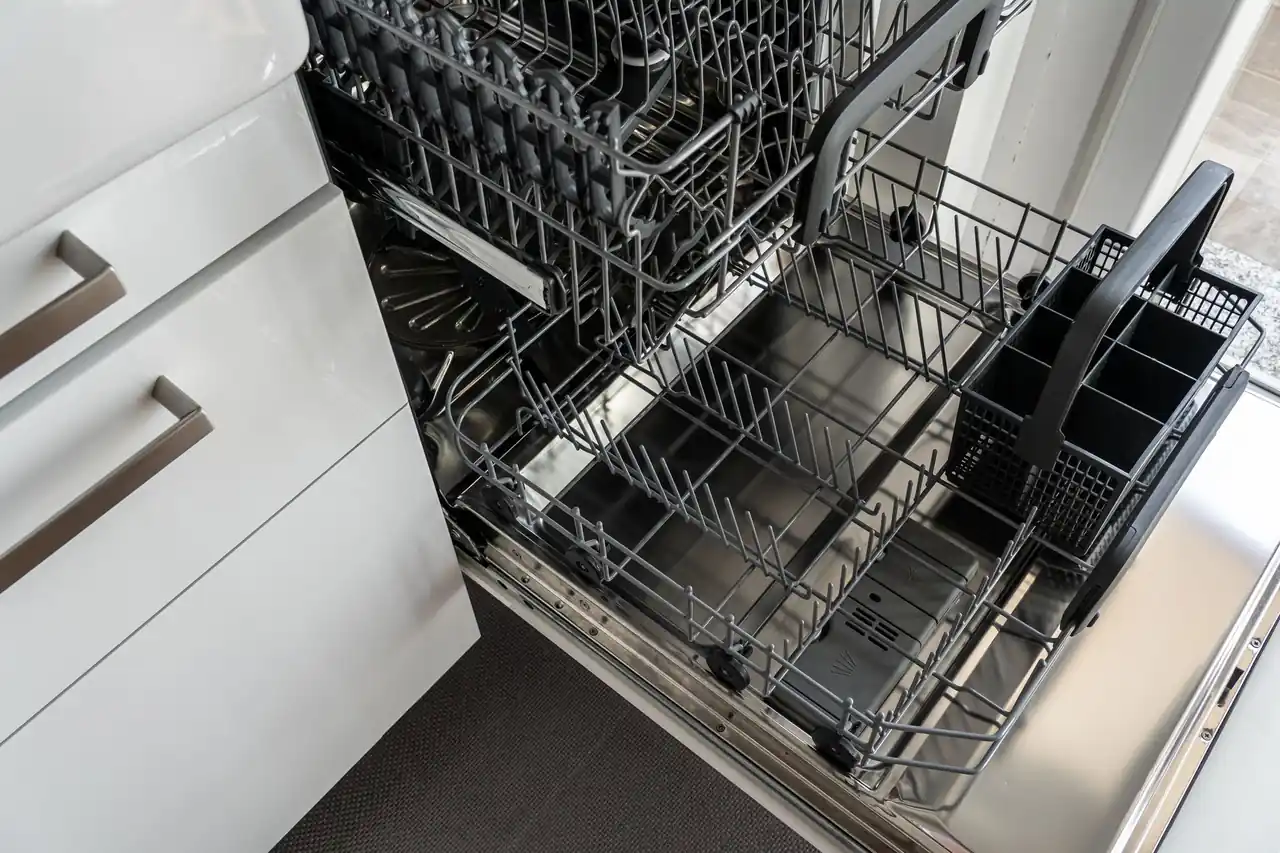
Our technicians are trained in water damage restoration and structural drying, with ongoing coursework in psychrometrics, moisture measurement, and microbial remediation. We have dried subfloors under 1950s diagonal plank in the historic district, 1980s plywood in College Park, and modern OSB in new construction near the Park of Commerce. We know how each material releases moisture and how much airflow it takes. Every job is documented to a dry standard, not a feeling. When we say the subfloor is dry, we have the readings to back it up.
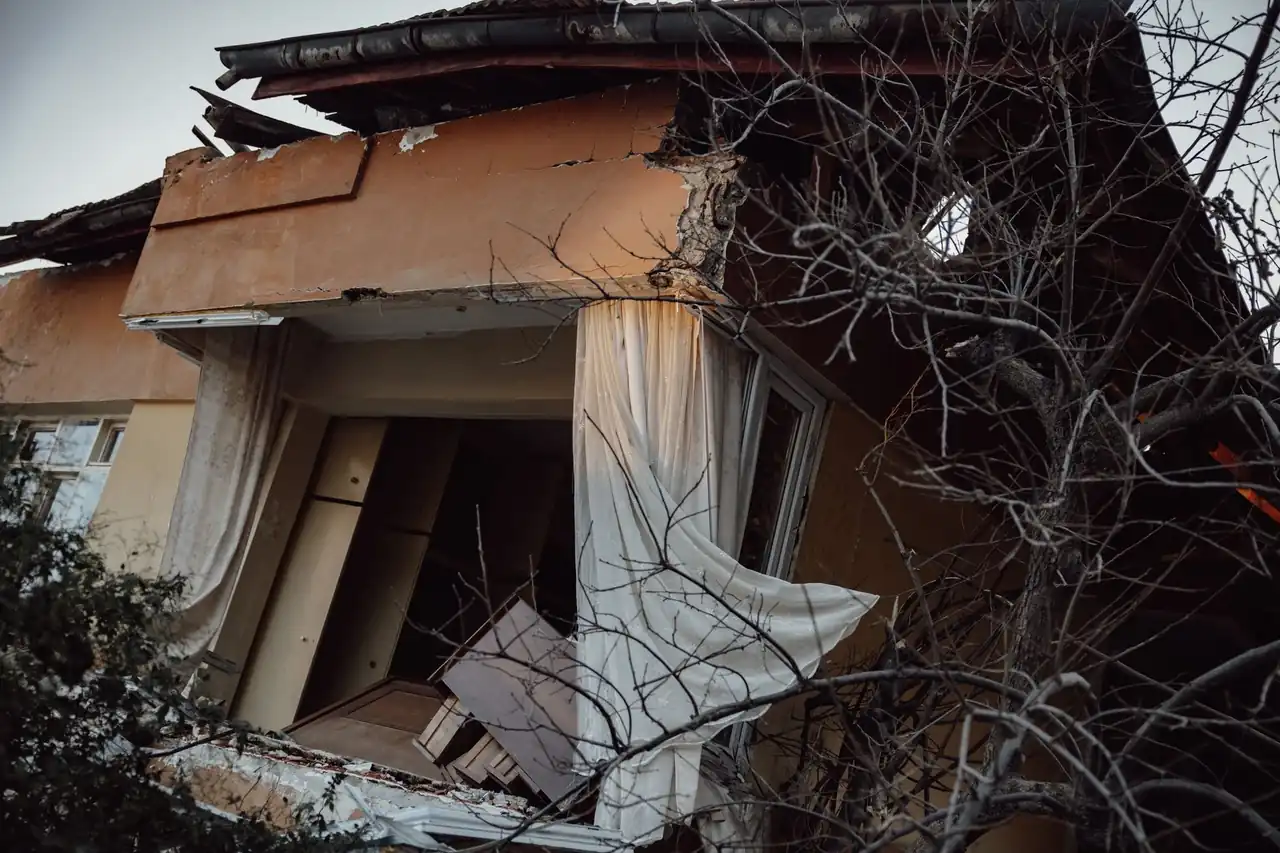
A supply line burst under our bathroom sink and water ran under the original oak floor. I thought we would lose the whole floor. Their team cut two small access holes, set up drying mats, and had the subfloor dry in four days. The moisture logs they gave us made the insurance claim painless. Oak floor is still perfect.
We had a slab leak that soaked the subfloor in our hallway. They found it with thermal imaging in about 20 minutes, extracted the water, and dried the subfloor from above. Five days of monitoring and the readings were back to normal. They told us exactly which panels needed replacing and which did not. No upselling.
A washing machine hose failed in one of our rentals and flooded two rooms. They responded at 11 p.m., extracted the water, and started drying immediately. The subfloor in both rooms was saved. They handled the documentation for our insurance and kept us updated every day. We use them for all our properties now.
Most residential subfloor dry-outs in Lake Worth Beach run $1,200 to $3,500 in 2026, depending on square footage, how many rooms are affected, and whether we have to cut access holes. A single bathroom with a toilet overflow is on the low end. A whole-floor storm intrusion with hardwood over the subfloor is on the high end. We give you a written scope and price before we start equipment.
A typical subfloor dry-out takes three to five days. Light water in a plywood panel with good airflow can hit the dry standard in 72 hours. Saturated diagonal plank under hardwood, common in the historic district, can take five to seven days. We monitor every 24 hours and do not pull equipment until readings are within 2 percentage points of the dry standard.
Often yes. We use drying mats and injection systems that pull moisture through the hardwood and out of the subfloor without removing the floor. This works best when the water has been sitting less than 48 hours and the hardwood has not cupped. If the floor is already buckling, we may need to lift a section to save the subfloor and the floor itself.
Most policies cover sudden and accidental water damage, which includes burst pipes, appliance failures, and toilet overflows. That typically covers extraction, drying, and equipment. Long-term leaks and flood water are usually excluded unless you have separate coverage. We document everything with photos and moisture logs so your adjuster has what they need to process the claim.
Not seeing your question? Our local team can help you understand urgency, scheduling and what to expect.
Ask the local team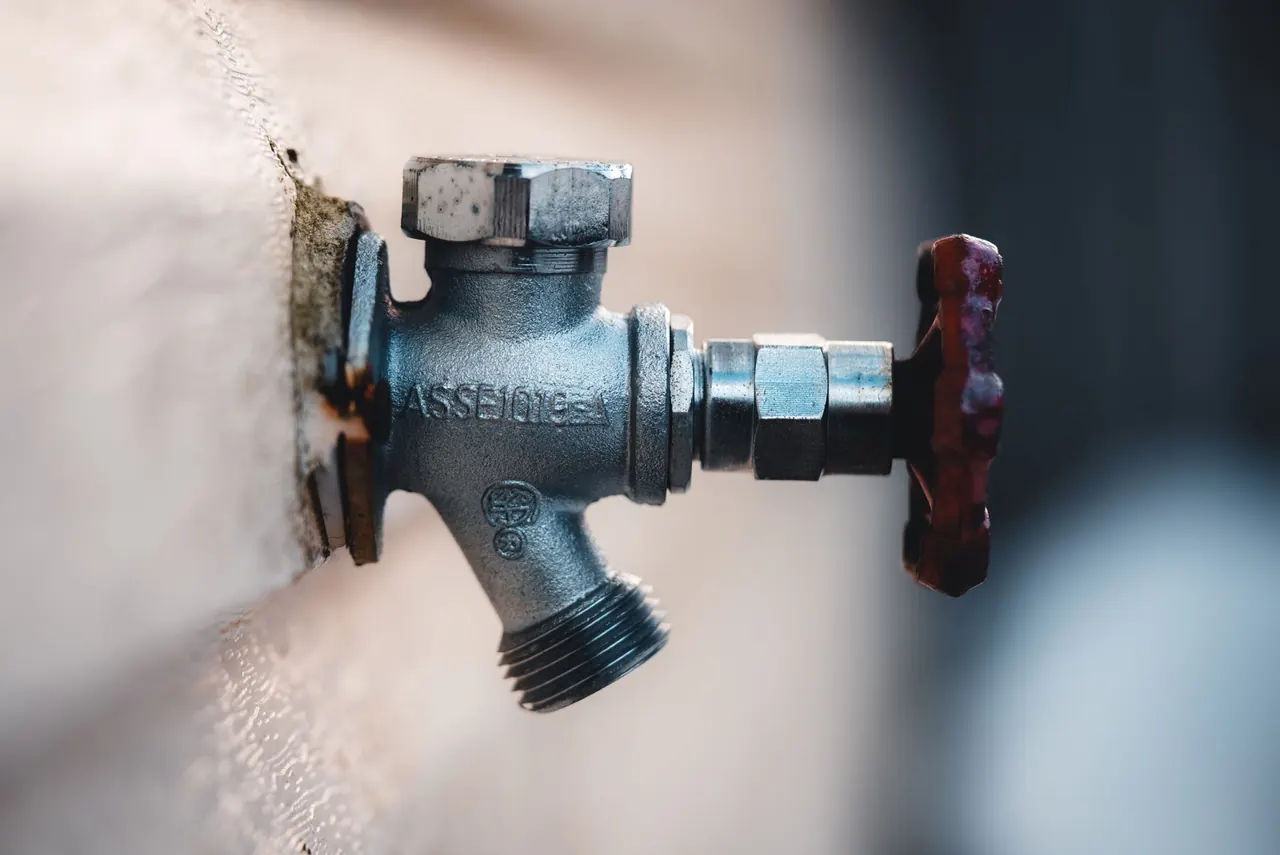
When water is still spreading, emergency restoration stops the source and begins extraction. We handle the full scope, from the first call to the final dry standard, so your subfloor gets dried as part of a complete restoration plan.
View service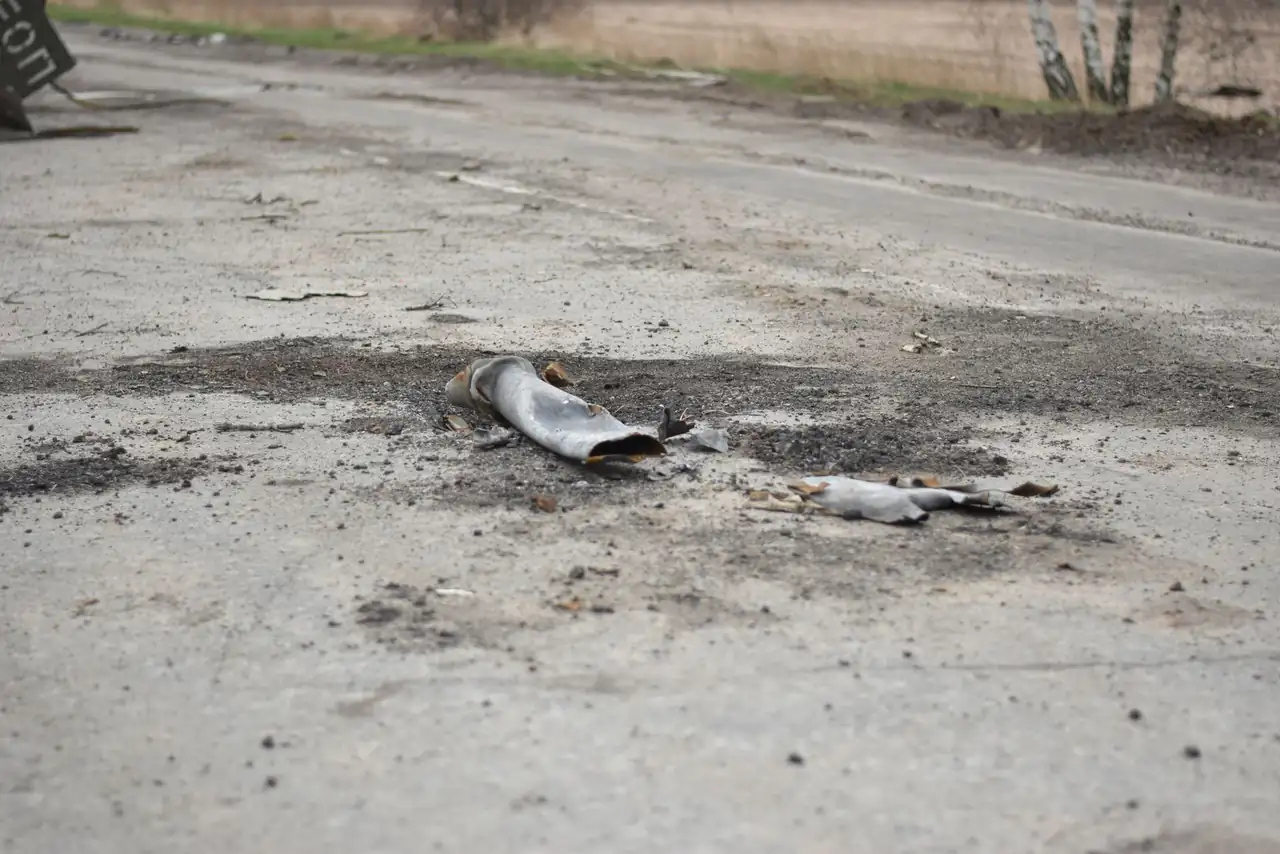
Homes in Lake Worth Beach have specific vulnerabilities: older plumbing, slab-on-grade construction, and storm exposure. Our residential restoration work includes subfloor drying, wall cavity drying, and content protection, all documented for your insurance claim.
View service
A commercial building with a wet subfloor can mean downtime and lost revenue. We work after hours to dry subfloors under tile and commercial flooring in offices, retail, and restaurants around the Park of Commerce and downtown.
View service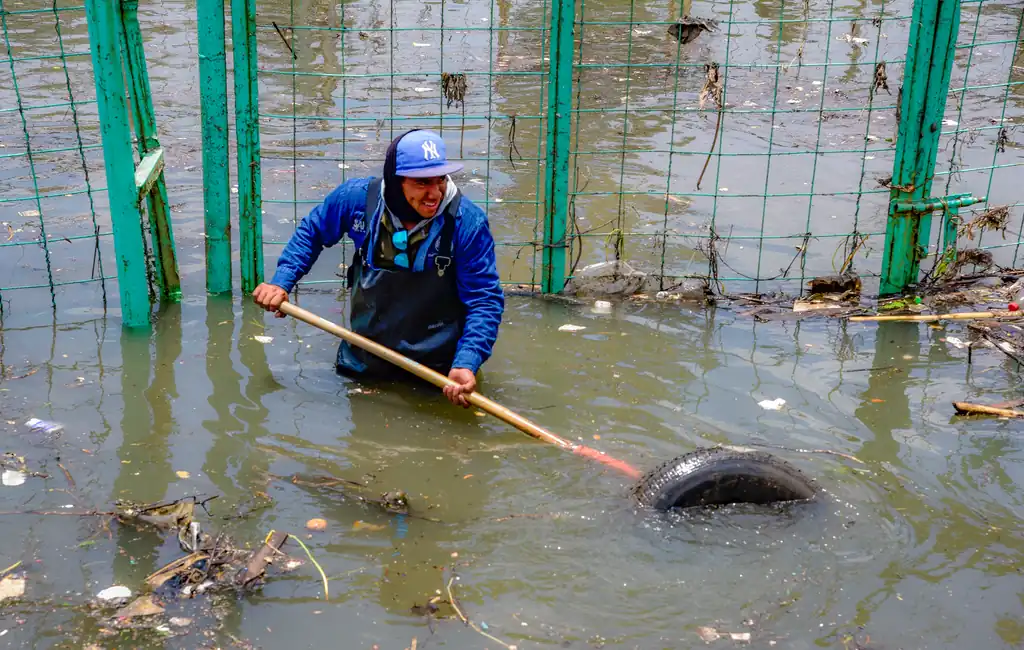
Standing water has to come out before subfloor drying can start. Our truck-mount and portable extraction units remove hundreds of gallons quickly, then we transition straight into drying the subfloor and wall cavities.
View service
We answer the phone 24 hours a day, every day of the year. Call (561) 760-4158 and a technician will take your address, ask what happened, and dispatch a crew. Most Lake Worth Beach addresses see a truck within 60 to 90 minutes. If water is still running, shut the supply valve first, then call.