Focused arrival windows
Useful updates and clear arrival timing.

Water Heater Leak Water Removal in Lake Worth Beach is the emergency service that pumps out standing water, dries soaked drywall and flooring, and stops the source before mold sets in. We handle tank failures, corroded fittings, and burst supply lines in homes and small commercial buildings across Palm Beach County. If your water heater is leaking right now, call (561) 760-4158 and we will be on the way.
Useful updates and clear arrival timing.
Review the approach and price before deciding.
Equipped vehicles and respectful cleanup.
Neighbors serving neighbors with follow-through.
Every water heater leak job starts with the same core scope: stop the source, extract the water, dry the structure, and document the loss. What changes is how far the water traveled and how many materials it touched. Here is what is covered on a standard call, and what we handle as an add-on when the damage goes further.
We confirm the leak is stopped, kill power to the water heater at the breaker, and drain the tank if needed. If you cannot find the shut-off valve, we locate it and tag it so you know where it is next time.
Truck-mounted or portable extraction units pull standing water off tile, vinyl, and concrete. On carpet, we use weighted extraction to pull water from the pad and backing. A standard utility room is usually dry to the touch within 45 minutes.
We use thermal imaging and pin-type meters to find water that traveled behind baseboards, into wall cavities, or under cabinets. The moisture map tells us exactly where to place equipment and becomes part of your insurance documentation.
Air movers and commercial dehumidifiers are placed based on the room's size and the moisture map. We monitor readings every 24 hours and adjust the setup until the structure hits its dry standard, usually in 3 to 4 days.
After extraction, we apply an antimicrobial to affected framing, drywall edges, and baseboard areas. This step is what prevents mold from taking hold in Florida's humidity while the structure is still drying.
You get daily moisture readings, photos of the affected area, and a written drying report when we remove equipment. That packet is formatted for insurance adjusters and gives you a record of the loss and the dry-down.
Share what is happening and receive a clear next step from the local team.
Water Heater Leak Water Removal in Lake Worth Beach is the process of stopping an active tank or supply-line leak, extracting the standing water it released, and drying every wet material inside the affected zone. A 40-gallon tank that fails can dump 30 to 50 gallons in under 10 minutes, and that water spreads under baseboards, into wall cavities, and across subfloor sheathing. We use moisture meters, thermal imaging, and commercial extraction units to find and remove it all, not just what you can see.
Most calls we take in Lake Worth Beach start the same way: a rusted tank bottom lets go, a T&P valve drips for weeks, or a flexible connector bursts behind the unit. The water usually lands on tile or vinyl in a utility closet, then wicks into adjacent drywall and the slab. Because South Florida humidity sits above 70% most of the year, wet materials that stay damp past 48 hours become a mold problem. That is why we treat every water heater leak as an emergency water extraction job, not a mop-up.
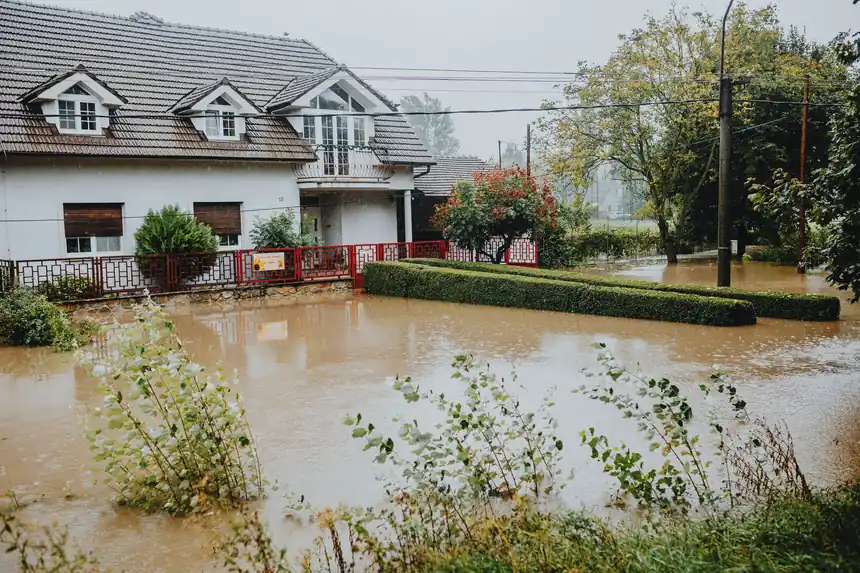
You call (561) 760-4158 and describe what you see. We ask whether the tank is still leaking, where the water is pooling, and whether the breaker is off. If you can safely shut the cold-water valve on top of the heater, we walk you through it while a crew is dispatched.
Our technician confirms the leak is stopped, kills power to the unit at the breaker, and drains the tank if needed. We tag the shut-off and check the T&P valve, supply connections, and drain pan. This usually takes 15 to 25 minutes and prevents a second flood while we work.
We run truck-mounted or portable extraction units across the floor, then use weighted extraction on carpet and a squeegee setup on hard surfaces. Standing water in a 10x10 utility room is typically gone within 30 to 45 minutes. We pull baseboards where water has wicked behind them.
We place air movers and a commercial dehumidifier based on the room's cubic footage and the moisture map. Drywall, baseboards, and subfloor are monitored with pin and pinless meters every 24 hours. A typical job dries in 3 to 4 days; a slab that has been wet longer can take 5.
Before we remove equipment, we compare every reading against a dry standard taken from an unaffected room. You get a written drying report with daily readings, photos, and the date the structure hit target moisture. If a repair like drywall or flooring replacement is needed, we note it so you can schedule it.
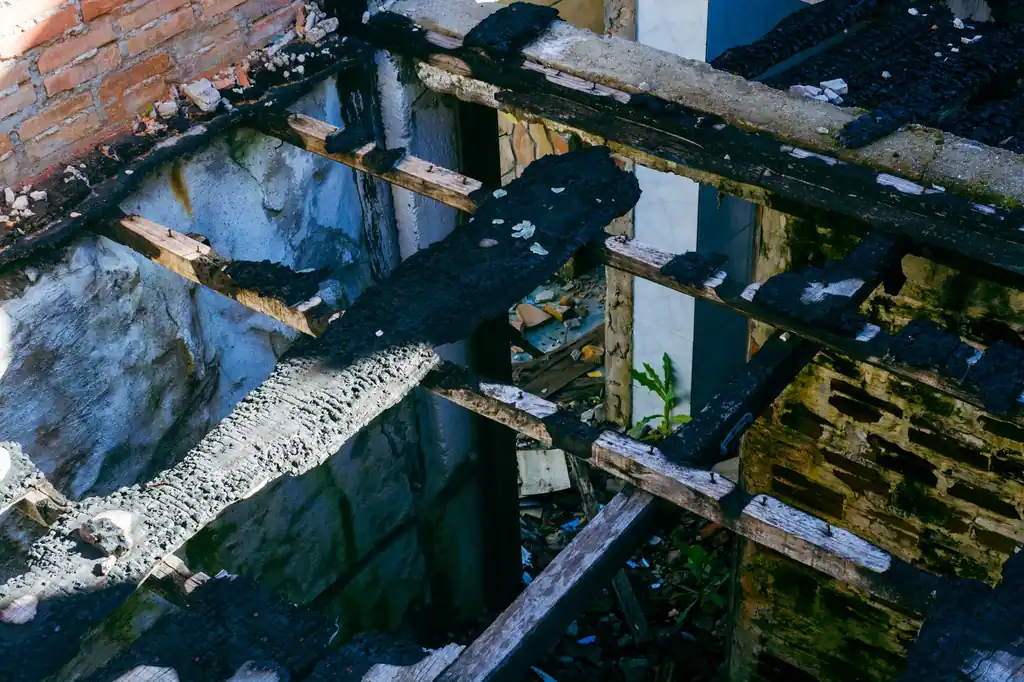
Finds hidden moisture behind walls, under floors, and inside ceiling cavities by reading temperature differences. We use it on every water heater leak to map the full extent of the water.
Measures moisture content in drywall, wood, and concrete. We take readings at multiple depths and compare them against a dry standard from an unaffected room.
Pulls large volumes of standing water fast. A truck mount handles a full utility room and hallway in minutes and is the first piece of equipment on site.
Pulls water out of carpet and pad by applying weight and suction at the same time. This is what saves carpet that would otherwise have to be torn out.
Removes moisture from the air so wet materials can dry. Low-grain refrigerant units work in the warm, humid conditions common in Lake Worth Beach.
Create airflow across wet surfaces to speed evaporation. We place them based on the room's cubic footage and the moisture map, not just where they fit.
Pull moisture out of hardwood and engineered wood floors without removing the boards. Mats are used when a water heater leak reaches a wood floor.
The S500 is the industry standard for water damage restoration, and we follow it on every job. It defines how to classify the water, how to dry different materials, and when a structure is considered dry. Following it keeps your documentation consistent with what insurance adjusters expect.
We map the moisture on day one and take readings every 24 hours until the structure hits its dry standard. If a reading stalls, we adjust the equipment placement or add a unit. You get a written record of every reading.
Where there is a mold risk, we contain the work area with plastic and zip walls and apply an antimicrobial to affected framing and drywall edges. This keeps mold from spreading to unaffected rooms while the structure dries.
Water from a water heater is usually Category 1, meaning it is clean at the source. If it sits and picks up contaminants, it can become Category 2. We classify the water on site because it determines how we handle the materials and what can be saved.

We dispatch a crew immediately, shut off the water and power, extract the standing water, and set up drying equipment across both rooms. We pull the baseboards where water wicked into the drywall and map the moisture in the hallway. The floor is dry to the touch within an hour, and the structure hits its dry standard in 3 to 4 days. The hallway drywall is saved without replacement.
We use thermal imaging to find the extent of the hidden moisture, pull back the vinyl where needed, and dry the subfloor with directed air and dehumidification. The valve is flagged for replacement. The subfloor dries without full replacement, and the vinyl is reinstalled over a dry surface. You avoid a mold problem that would have shown up months later.
We extract the water in the attic, then dry the ceiling drywall from below using controlled demolition and directed airflow. Moisture readings are taken in the attic, the ceiling cavity, and the bedroom. The ceiling dries without a full tear-out, and the stain is limited to a small area that can be primed and painted. Drying takes 4 to 5 days.
We schedule an after-hours call, extract the water from the tile and the walk-in cooler threshold, and set up drying equipment that does not block the kitchen line. The health inspector is not involved because we contain the work area. The kitchen is dry and back in service the next morning, and the drying equipment runs overnight for three days without interrupting business.
Lake Worth Beach has a mix of older homes with original plumbing and newer construction with flexible connectors, and both fail in different ways. The older homes near the Historic District often have water heaters in tight utility closets or on exterior walls, so water spreads under the door and into adjacent rooms fast. Newer homes in College Park and Tropical Ridge tend to have the heater in the garage, where a leak runs toward the living space along the slab. Our humidity sits above 70% most of the year, which means wet drywall and subfloor here dry slower than in drier climates. We size dehumidifiers for that reality and monitor longer when a slab is involved. If you need water heater leak water removal near Bryant Park or anywhere in the 33460 area, we know the floor plans and the common failure points. We also coordinate with local licensed plumbing contractors when the heater itself needs replacement, so the leak is fixed and the water is gone in the same visit.
Many homes here have original plumbing and tight utility closets. Water from a heater leak often reaches the hallway and adjacent bedroom wall before it is noticed.
A mix of older and renovated homes. We see a lot of water heaters in exterior closets, where a leak runs straight onto the slab and into the nearest room.
Newer construction with garage-mounted water heaters. Leaks here tend to travel along the slab toward the living space, so we check the adjacent room's baseboards.
Attic and second-floor water heaters are common. A leak here reaches the ceiling below, so we dry both the attic and the ceiling cavity.
Small commercial buildings and mixed-use properties. A water heater leak in a business can affect a shared wall, so we check the neighboring unit as well.
Wet drywall and subfloor dry slower here than in drier states. We run dehumidifiers longer and do not pull equipment based on surface feel alone.
Fittings and valves in Historic District homes corrode and fail more often. We inspect the whole unit, not just the tank, so the next leak does not start in a month.
Water spreads sideways along the slab and hides under flooring. We use thermal imaging to trace it and dry the slab edge before reinstalling flooring.
Surges can damage a water heater's controls and lead to leaks. During storm season we see more combined storm and appliance losses and prioritize the wettest areas first.
A 50-gallon tank failed overnight and released roughly 40 gallons into a utility closet and the hallway beyond it. The vinyl floor was under an inch of water, and the baseboards on both sides of the hallway were soaked.
We extracted the standing water in 40 minutes, removed 18 linear feet of baseboard, and dried the drywall and slab in 3 days. Moisture readings returned to the dry standard on day 3, and the baseboards were replaced the following week.
Maintenance: Replace the flexible connectors every 5 to 7 years, flush the tank annually to reduce sediment, and check the drain pan monthly for standing water.
A T&P valve had been dripping for weeks onto a vinyl floor over a plywood subfloor. The surface looked dry, but a thermal camera showed moisture spread 4 feet into the adjacent room and into the bottom plate of the wall.
We pulled back the vinyl, dried the subfloor and wall plate over 4 days, and treated the framing with antimicrobial. The subfloor read dry on day 4, and the vinyl was reinstalled without replacing the plywood.
Maintenance: Test the T&P valve twice a year by lifting the lever, and replace it if it drips after the test. Keep the drain pan clear so a slow leak is visible.
An attic water heater leaked and stained the ceiling of a bedroom below. The ceiling drywall was wet across a 6x4 foot area, and the insulation around the leak was saturated.
We removed the wet insulation, dried the attic framing and the ceiling cavity over 5 days, and replaced the saturated insulation. The ceiling dried without a full tear-out, and the stain was sealed and painted.
Maintenance: Check the attic drain pan and the overflow line every spring before storm season, and keep the attic access clear so a leak is easy to spot.
A water heater leak causes more problems than a wet floor. The water travels, the humidity stays, and the damage compounds if it is not handled in the first 48 hours. Here are the issues we see most often in Lake Worth Beach and how we fix them.
Drywall wicks water upward and stays wet for weeks. By the time you see a stain, mold may already be growing inside the cavity. We use thermal imaging and pin meters to map moisture behind baseboards and inside wall cavities. Where water has wicked up, we remove the baseboard, dry the wall from the bottom edge, and treat the framing with antimicrobial before closing it back up.
Wood floors near a utility room absorb water from below and cup at the edges. Once the boards swell and dry unevenly, sanding and refinishing may be the only fix. We extract the standing water first, then use floor drying mats and low-humidity air to pull moisture out of the boards before they cup. If we get to it in the first day or two, most hardwood can be saved without replacement.
Mold can start colonizing wet drywall in 24 to 48 hours. Once it spreads, the job goes from drying to remediation, which costs more and takes longer. We apply an antimicrobial treatment to affected surfaces after extraction and keep the area dry with dehumidifiers. If mold is already present, we contain the area, remove the affected material, and treat the framing before drying continues.
A tank that failed at the bottom usually has corroded fittings on top too. If only the puddle is cleaned up, the next leak starts within weeks. We inspect the T&P valve, supply connections, and drain valve while we are on site. If a fitting is actively dripping or shows heavy corrosion, we note it and coordinate with a licensed plumbing contractor so the repair is done before the new tank goes in.
$450 - $1,800 depending on scope
Typical 2026 pricing in Lake Worth Beach for water heater leak water removal runs $450 to $1,800 for a residential job. A small utility closet with a quick extraction and 3 days of drying sits at the low end. Water that reaches carpet, drywall, or a neighboring room pushes the price up because more equipment and more days are involved. We give you a range before we start and explain what could change it. If the job is covered by insurance, we document the loss so your adjuster can process the claim.
The price covers extraction, drying equipment, daily monitoring, antimicrobial treatment, and a written drying report. Compared to replacing a subfloor, drywall, and flooring after mold sets in, handling the leak correctly in the first 48 hours is the cheaper path every time.
A leak contained to a utility closet is the cheapest scenario. Water that reaches a hallway, bedroom, or the room below adds extraction time, more drying equipment, and more monitoring days.
Tile and vinyl are quick to dry. Carpet requires weighted extraction and possibly pad replacement. Hardwood needs floor mats and a longer dry time, which adds to the total.
If water wicked up behind baseboards or into drywall, we have to remove baseboard and dry the wall cavity. That adds labor and a day or two of drying compared to a floor-only job.
Most jobs dry in 3 to 4 days. A slab that has been wet longer, or a room with limited airflow, can take 5 to 6 days. Each additional day means another day of equipment and monitoring.
If the leak sat for more than 48 hours, mold may already be present. Containment and antimicrobial treatment add cost, but they prevent a much larger remediation bill later.
We answer the phone 24/7. Overnight and weekend calls may carry a higher rate than a weekday appointment, and we tell you the difference before we dispatch.
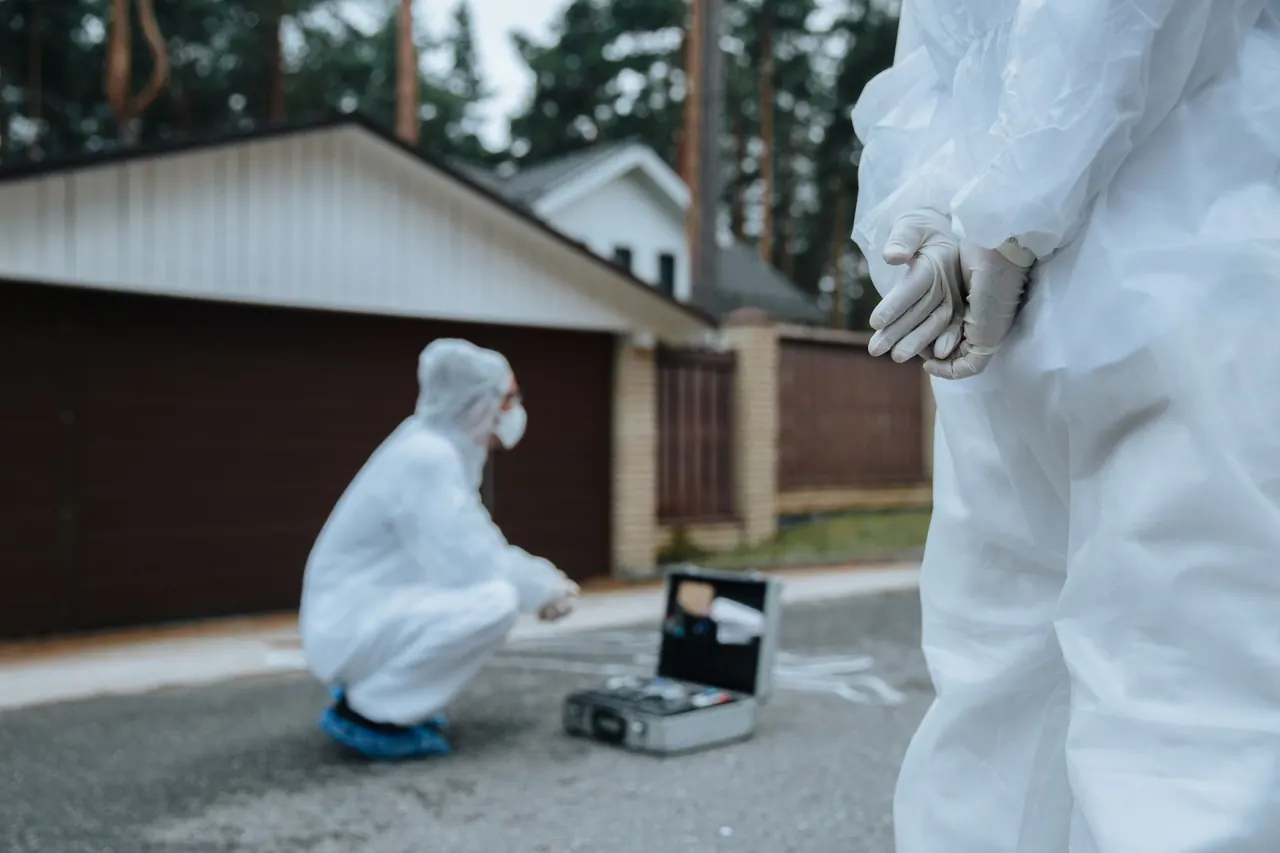
Our technicians are trained in water damage restoration and have worked thousands of residential and commercial losses across Palm Beach County. We know the difference between a tank that failed last night and one that has been seeping for a month, and we know how Lake Worth Beach's older housing stock reacts to water intrusion. Every job is documented to the IICRC S500 standard for water damage restoration, which is the benchmark insurance adjusters use to evaluate a claim.
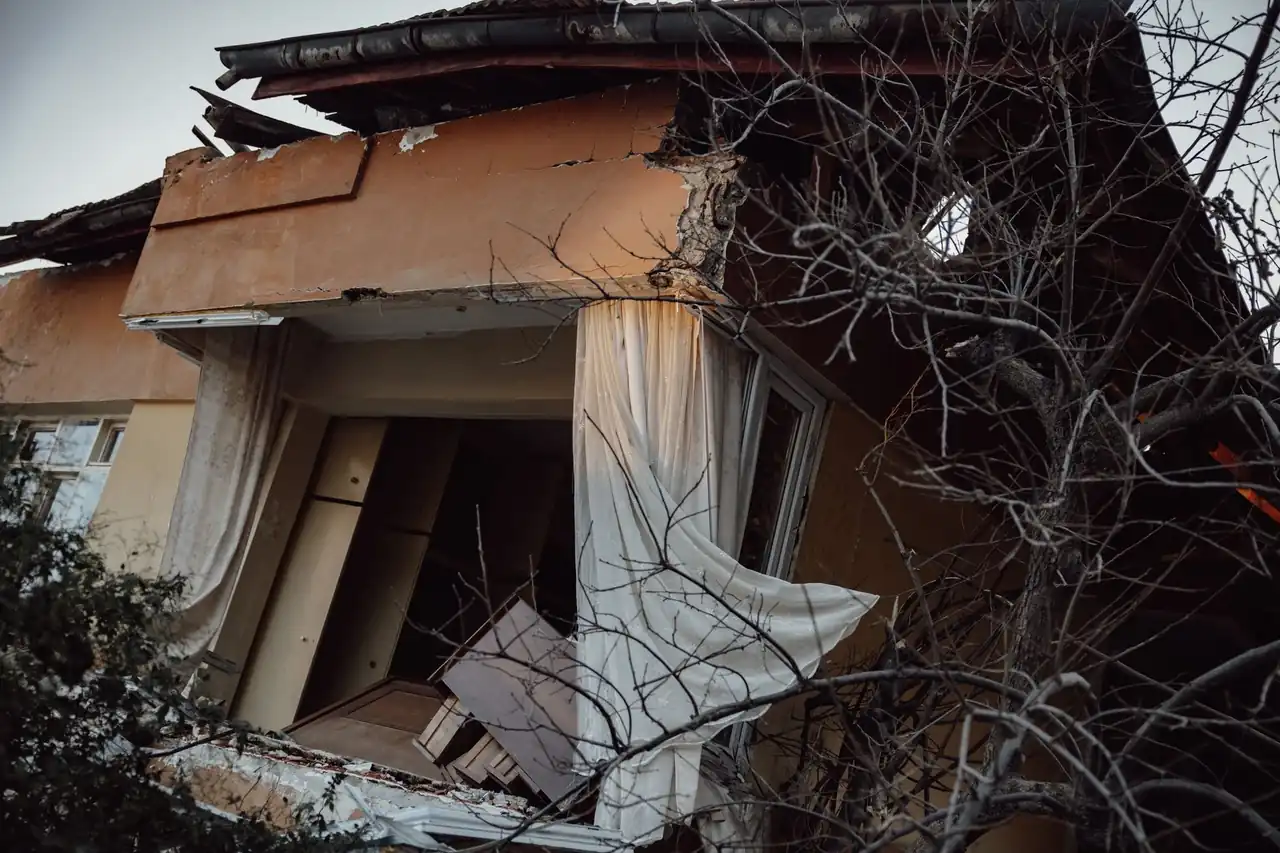
Our water heater let go on a Sunday morning and flooded the utility room and half the hallway. I called and a crew was here in about an hour. They pulled the water out, set up dryers, and checked the moisture every day for four days. The baseboards had to come out but the drywall was saved. They also gave me the paperwork my insurance needed.
I manage a few rentals near the Historic District and had a tenant call about a leaking water heater. The crew handled the extraction and drying and dealt with the tenant so I did not have to drive over. They sent me daily moisture readings and a final report. The unit was dry in three days and the tenant stayed in place.
I noticed a puddle under the water heater and thought a towel would do it. Two days later the baseboard was soft. They found moisture behind the wall with a thermal camera, dried it out, and treated for mold. It took four days and cost less than I expected. I would call them again without hesitating.
Most residential water heater leak jobs run $450 to $1,800 depending on how far the water spread and how many days of drying are needed. A small utility closet with a quick cleanup sits at the low end. Water that reached carpet, drywall, or a neighboring room pushes it higher. We give you a range before we start and document everything for your insurance claim.
A typical water heater leak dries in 3 to 4 days with commercial air movers and dehumidifiers running continuously. If the water sat for a week before you called, or if it reached a slab or thick subfloor, plan on 5 to 6 days. We check moisture readings every 24 hours and do not pull equipment until the structure hits its dry standard.
A shop-vac gets the visible water, but it does not pull moisture out of drywall, baseboards, or subfloor. A household fan moves air but does not remove humidity from the room, so the water you cannot see stays trapped. In Florida's climate, that hidden moisture feeds mold within 48 hours. We use extraction equipment and commercial dehumidifiers sized to the space.
Most homeowners policies cover sudden and accidental water heater failures, including extraction and drying. Long-term seepage that you knew about and ignored is usually excluded. We photograph the loss, map moisture readings, and provide a written scope your adjuster can use. Call your insurer after you call us so the claim is opened while the damage is fresh.
Not seeing your question? Our local team can help you understand urgency, scheduling and what to expect.
Ask the local team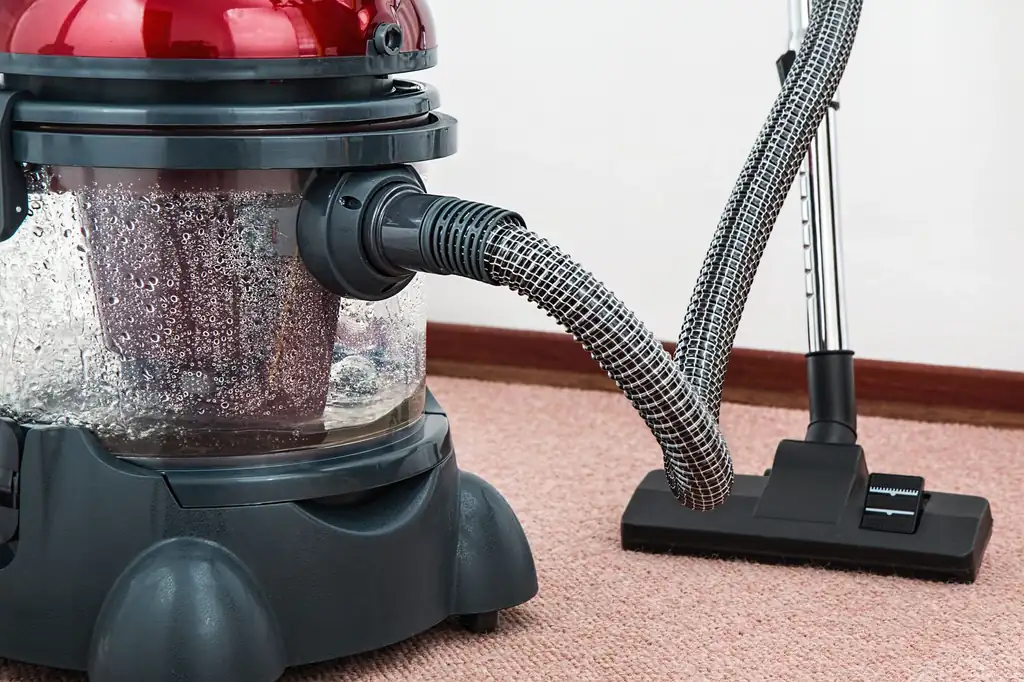
When a water heater leak floods more than one room, emergency water damage restoration covers the full scope: extraction, drying, and repairs. We treat it as the same emergency call and bring enough equipment for the whole affected area.
View service
Most water heater leaks happen in homes, and residential water damage restoration is built around that. We handle single-family houses, townhomes, and condos across Lake Worth Beach, including the drywall, flooring, and cabinet repairs that follow.
View service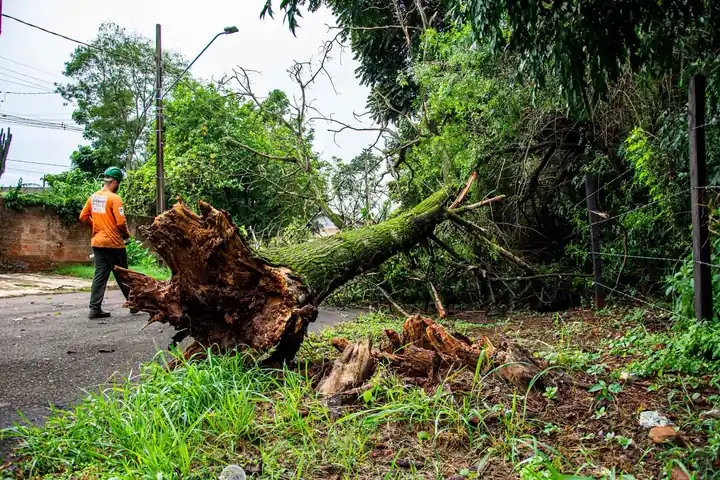
Restaurants, salons, and small offices in Lake Worth Beach run commercial water heaters that can fail too. Commercial water damage restoration gets your business dry and back open, with after-hours scheduling so you do not lose a day of revenue.
View service
Emergency water extraction is the first step of every water heater leak job. We pull standing water from tile, vinyl, and carpet with truck-mounted units, then use weighted extraction on soft flooring to get the water out fast.
View service
We answer the phone 24 hours a day, every day of the year. Call (561) 760-4158 and a technician will take your address, ask what happened, and dispatch a crew. Most Lake Worth Beach addresses see a truck within 60 to 90 minutes. If water is still running, shut the supply valve first, then call.