Why is my hardwood floor buckling after water damage
Hardwood floors buckle because trapped moisture swells the boards from underneath. Here is why it happens in Lake Worth Beach homes and how to stop it before it spreads.
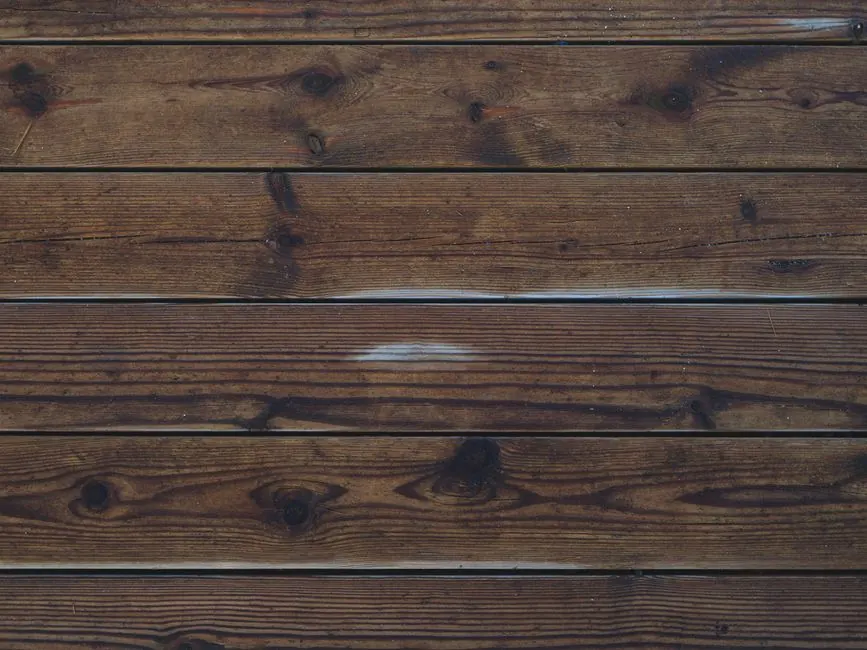
Your hardwood floor is buckling because moisture has reached the wood from underneath, and the boards have swollen against each other with nowhere to expand. Wood takes on water, grows wider across the grain, and when a whole row of boards does that at once, the pressure has to go somewhere - so the edges lift, the seams crown, and you get the ridge or tent shape you are looking at right now. The rest of this post covers how fast it happens, why Lake Worth Beach homes see it more than most, what we actually do to dry a floor and save it, and the mistakes that turn a repairable floor into a full tear-out.
Hardwood floor buckling is a structural response to moisture that has soaked into the boards and the subfloor beneath them. It is not a surface stain or a finish problem - it is the wood itself changing shape, and it will keep getting worse until the moisture source is stopped and the floor is dried correctly.
Why hardwood floors buckle after water damage
Hardwood floors buckle after water damage because solid wood expands across the grain when it absorbs water, and a floor is installed tight so the boards have no room to move. A 3/4-inch oak board can swell roughly 1/8 inch across its width when it goes from dry to saturated. Multiply that across a 12-foot room and you are looking at more than an inch of extra width that has to go somewhere. It goes up.
Three things usually happen in sequence. First, the board edges crush into each other and the finish cracks along the seams. Second, the middle of the floor crowns upward - that is the classic buckling ridge. Third, if the water keeps feeding the floor, the nails or cleats start pulling, and the boards separate from the subfloor entirely.
There is also a cupping stage that comes before buckling, and most homeowners miss it. Cupping is when the edges of each board sit higher than the center, giving the floor a washboard feel. If you catch it at cupping, we can often dry the floor in place and sand it flat. Once it has moved to full buckling, the repair gets more involved.
What matters most is whether the water came from above or below. A spill on top of a finished floor is a surface event. Water that reaches the subfloor from a Plumbing Leak Water Damage Cleanup in Lake Worth Beach situation, or from a slab that stays damp, attacks the wood from the bottom, where the finish offers no protection at all.
How fast does buckling start after a leak
Buckling can start within 24 to 48 hours of a leak, and visible ridges usually show up by day three. The timeline depends on how much water is involved and how well the space is ventilated.
- 0-24 hours: Water wicks into the seams and the subfloor. The floor may feel cold or slightly damp but look normal.
- 24-48 hours: Boards begin to cup. You can feel the raised edges with a bare foot.
- 48-72 hours: Crowning and the first buckling ridges appear. This is the window where in-place drying still has a good chance.
- 3-7 days: Mold can begin colonizing the subfloor and the back of the boards. Buckling becomes pronounced.
- Beyond 7 days: Cupping often becomes permanent, and the boards may need to be replaced rather than dried.
Humidity changes the math. In a closed Lake Worth Beach house with the AC running, a wet floor can sit for days without obvious signs because the air is being dried but the wood is not. That is why we use moisture meters and thermal imaging rather than eyeballing it - the floor can read dry on the surface and be soaked 3/4 inch down.
The Lake Worth Beach factors that make it worse
Lake Worth Beach homes deal with a combination that is rough on hardwood: high year-round humidity, a rainy season that runs from roughly May through October, and a lot of older housing stock with pier-and-beam or raised foundations.
Our average relative humidity sits in the 70s for much of the year. That means a floor that gets wet does not dry out on its own the way it would in a drier climate. Add an afternoon thunderstorm pushing water under a door, or a hurricane-season roof leak, and the floor stays damp long enough for the swelling to become permanent.
Older homes near the downtown corridor and the historic districts often have original tongue-and-groove floors over a crawl space. When that crawl space takes on water - which happens after heavy summer rain - the humidity underneath the floor climbs and the boards start moving even without a visible leak inside. If you are in one of those blocks, it is worth checking the crawl space after any major storm.
We also see a lot of buckling tied to slab leaks in the mid-century ranches on the west side of town. A slab leak is slow and hidden, so the first sign is often a warm spot on the floor or a water bill that jumped. By the time the floor buckles, the leak has usually been running for weeks.
If you need help fast, our team handles Emergency Water Damage Restoration in Lake Worth Beach around the clock, and we can usually tell you within the first visit whether the floor is savable.
What we do to dry and save a buckled floor
Drying a buckled hardwood floor is a controlled process, not a matter of pointing fans at it and waiting. Here is the sequence we run.
1. Stop the water and find the source
Nothing dries until the water stops. We locate the source - a supply line, an appliance, a roof penetration, a slab - and get it controlled. If it is a burst pipe, that is a Burst Pipe Water Damage Cleanup in Lake Worth Beach job and the repair comes before the drying.
2. Extract standing water
Any water still sitting on the floor gets pulled with truck-mounted extraction. On a hardwood floor we use weighted extraction heads and floor squeegees to move water out of the seams without scratching the finish.
3. Map the moisture
We take pin and pinless moisture readings across the room and compare them to a known-dry reference area. We also use thermal imaging to find the wet pockets under the floor. This tells us how far the water has spread and whether the subfloor is involved.
4. Dry the floor in place
For hardwood, we set up a drying system that includes Hardwood Floor Water Damage Drying in Lake Worth Beach equipment - floor mats, injection drying where the finish allows it, and air movers positioned to sweep across the surface, not blast straight down. We keep the room between 70 and 85 degrees and run dehumidifiers to hold the air dry so the wood has somewhere to release its moisture.
We target a drying goal of 12% to 14% moisture content for the boards, which is the normal equilibrium for wood in this climate. We check readings every day and adjust the equipment until the floor hits that number.
5. Address the subfloor
If the subfloor is wet, it has to dry too, or the floor will re-wick moisture the moment we pull the equipment. That is a Subfloor Water Damage Drying in Lake Worth Beach step, and it sometimes means pulling a few boards to get airflow underneath.
6. Repair and refinish
Once everything is dry, we assess the damage. Cupped boards that have not fully relaxed may need sanding. Badly buckled boards get replaced with matching stock. Then the floor is refinished to blend.
Common mistakes that turn a repairable floor into a replacement
The single biggest mistake is running a household fan and calling it dried. A box fan moves air but does not remove moisture from the wood or the room. Without dehumidification, you are just circulating humid air over a wet floor.
Other mistakes we see regularly:
- Waiting to see if it dries on its own. In this climate, it will not. Every day you wait, the swelling gets closer to permanent.
- Turning the AC way down. Cold air holds less moisture, but it also slows evaporation from the wood. We want warm and dry, not cold.
- Pulling up boards too early. If the floor can be dried in place, tearing it out is money thrown away. Get a moisture reading before you demo anything.
- Ignoring the subfloor. A dry floor over a wet subfloor will buckle again within weeks.
- Not documenting the damage. Photos, moisture logs, and a written scope matter for your insurance claim. We provide all of it.
- Treating a slab leak like a spill. A slab leak keeps feeding the floor until it is repaired. Drying without fixing the source is a waste of time.
One more: do not assume the floor is ruined because it looks bad. We have saved floors that were crowned an inch high, as long as we got to them within the first few days and the boards had not cracked.
When to call a professional
Call a professional when the water has been down more than a few hours, when the wet area is larger than a couple of square feet, or when you can feel cupping or see any ridge in the floor. Those are the signs that moisture has reached the subfloor, and that is beyond what a shop vac and a fan can fix.
You should also call if the water came from a slab leak, a sewer backup, or any source that is not clean water. Those situations carry contamination and structural concerns that need proper handling.
At Lake Worth Beach Water Damage, we inspect the floor, take moisture readings, and tell you straight whether it can be dried in place or needs to come up. We handle the drying, the dehumidification, and the coordination with your insurance adjuster. If you are not sure whether your floor is in the savable window, that is exactly the call to make.
Frequently Asked Questions
Can a buckled hardwood floor be fixed?
Yes, if you catch it early. Floors that are cupped or lightly buckled within the first 48 to 72 hours can often be dried in place and sanded flat. Once boards have cracked or the swelling has been permanent for over a week, replacement is usually the better route.
How long does it take to dry a wet hardwood floor?
Most hardwood floors take 3 to 5 days to dry with professional equipment, and heavily saturated floors over a wet subfloor can take 7 to 10 days. We check moisture readings daily and do not pull the equipment until the wood is back to 12% to 14% moisture content.
Will my homeowners insurance cover a buckled floor from water damage?
In most cases, yes, if the damage came from a sudden event like a burst pipe or appliance failure. Gradual damage from a long-running leak is often excluded. We document everything with photos and moisture logs to support your claim.
Does buckling mean I have to replace the whole floor?
Rarely. In many jobs we replace only the damaged boards and blend the repair into the existing floor. Full replacement is usually only needed when the subfloor is compromised or the boards have cracked across the grain.
What does hardwood floor water damage repair cost in Lake Worth Beach?
Typical 2026 pricing in this area runs $500 to $1,500 for drying a small area, $2,000 to $5,000 for a room that needs board replacement and refinishing, and $8,000 and up for a full-floor replacement. The drying phase is almost always the smaller part of the bill.
Get help with Water Damage Restoration in Lake Worth Beach
If your floor is buckling, the clock is running. We can be out to take moisture readings, find the source, and start drying before the damage becomes permanent. Call Lake Worth Beach Water Damage at (561) 760-4158 and we will tell you exactly what your floor needs.